
Image not available
Food & beverage
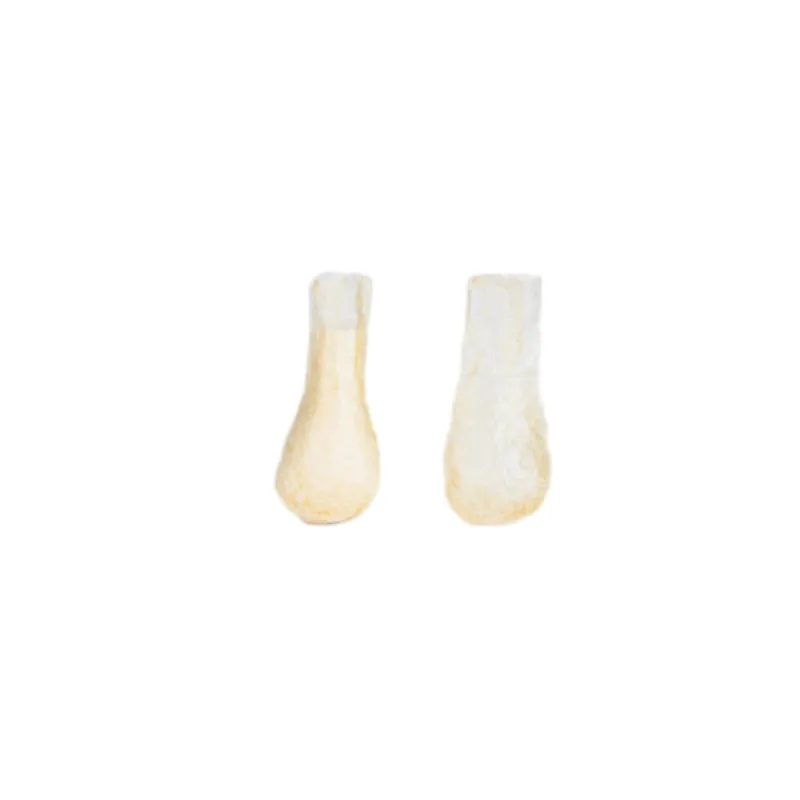
Premium Dried Tubed Hog Casings China Suppliers Professional Sausage Casing Factory
Source high-quality dried tubed hog casings from leading China suppliers. Our factory provides cost-effective, consistent, and durable solutions for professional sausage production globally.
SupplierRUNTAI (HEBEI)CASING CO.,LTD.www.rtcasing.com
Source categories
About this product
Product information from the supplier.
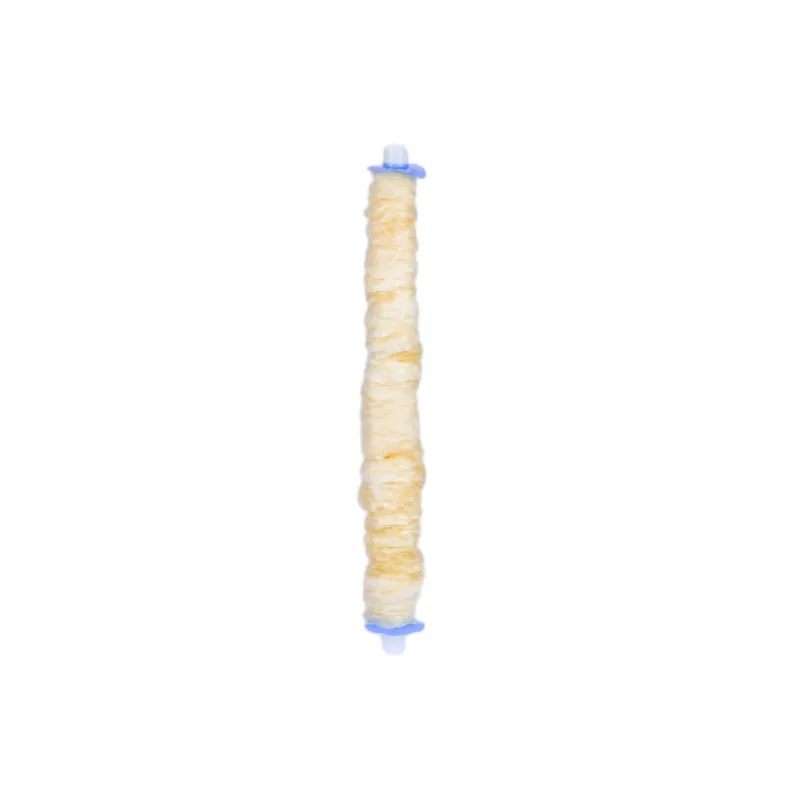
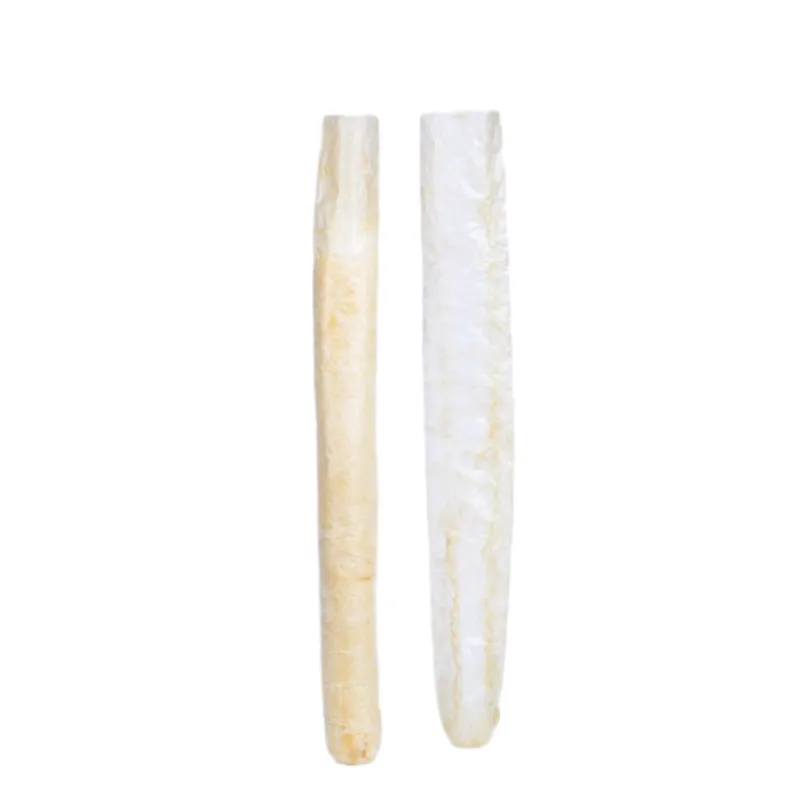
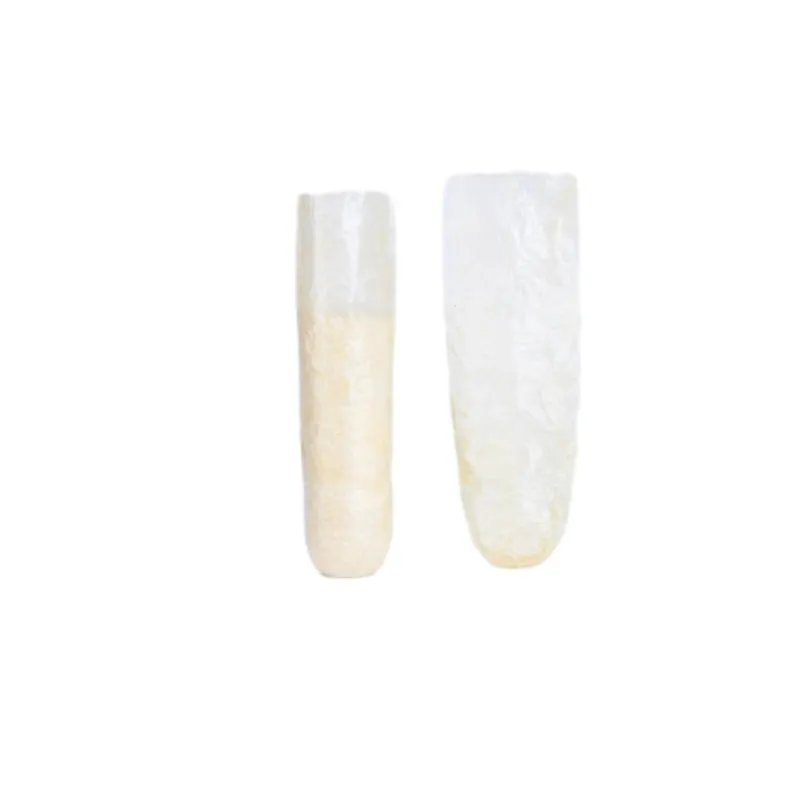
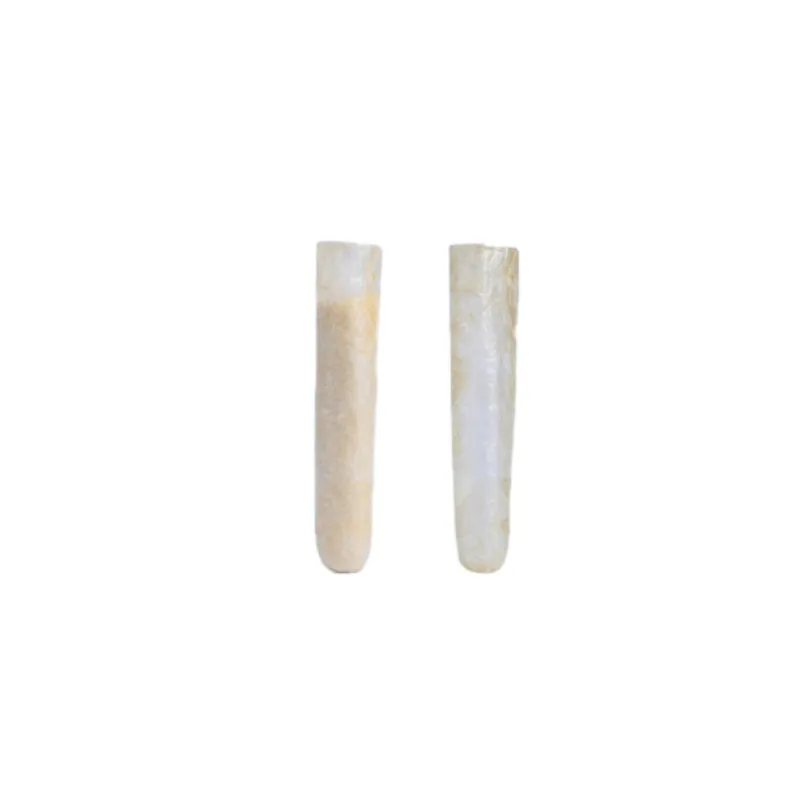
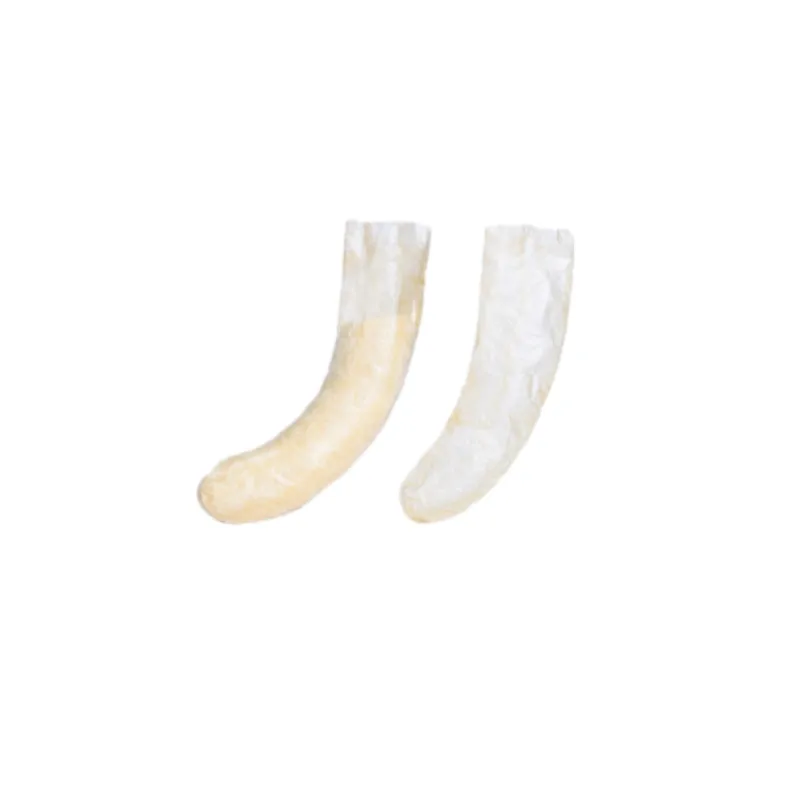
Our premium Dried Tubed Hog Casings are engineered to provide meat processors with a seamless blend of traditional quality and modern industrial efficiency. Specially processed for stability, these casings eliminate the complexities of fresh casing management, offering a standardized solution that ensures every sausage produced meets rigorous professional benchmarks.
Designed for versatility and high-performance stuffing, these casings are ideal for everything from industrial-scale operations to artisanal butcher shops. By combining enhanced durability with a simplified preparation process, we help manufacturers reduce labor costs while maintaining the authentic bite and appearance demanded by global consumers.
Detailed Parameters
| Product Type | Dried Tubed Hog Casing | Processing Method | Controlled Drying & Tubing |
|---|---|---|---|
| Storage Requirement | Cool & Dry Conditions | Refrigeration | Not required before use |
| Preparation | Rehydration via Soaking | Diameter Range | Various standardized sizes available |
| Quality Standard | Uniform thickness & strength | Safety Level | Food-grade hygienic processing |
| Application Range | Fresh, Smoked, Cooked, Fermented | Elasticity | High tensile strength |
Key Advantages
Extended Shelf Life
Optimized drying ensures long-term stability without the need for costly refrigeration before use.
Production Efficiency
Ready to use after simple rehydration, eliminating tedious cleaning and preparation labor.
Consistent Uniformity
Pre-processed for consistent diameter and thickness to ensure uniform sausage sizing.
High Versatility
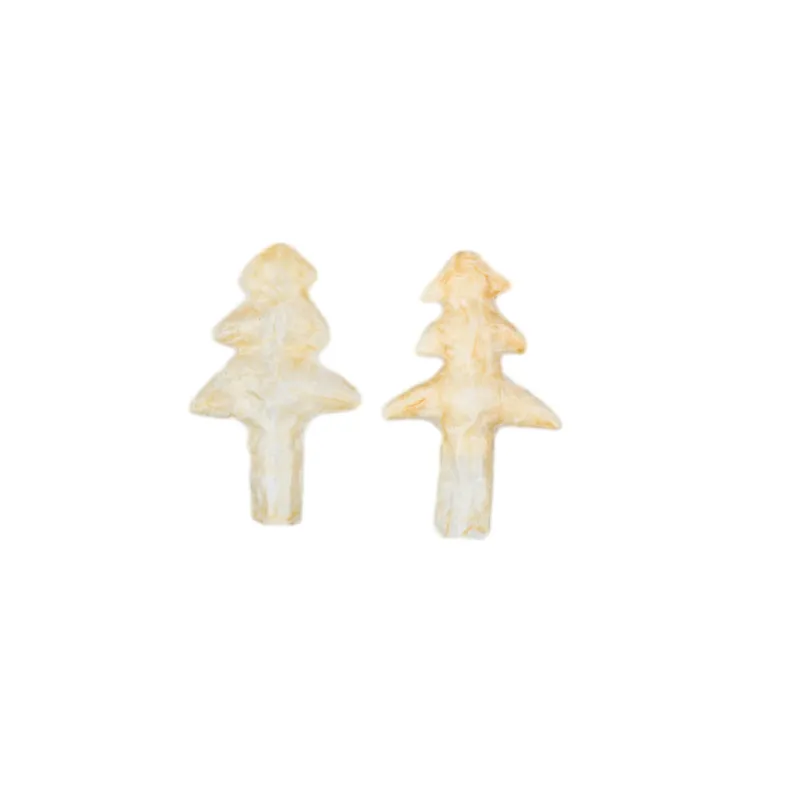
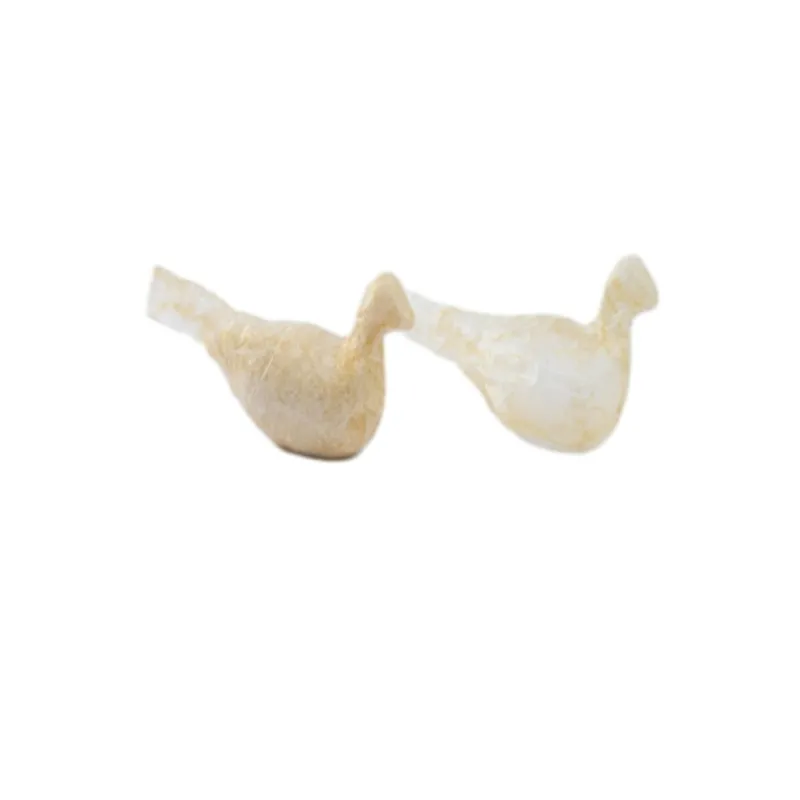
Perfect for various sausage types and special shapes like stars, ducks, or Christmas trees.
Superior Durability
Enhanced tensile strength reduces bursting risks during the stuffing and cooking processes.
Hygienic Safety
Processed under strict controlled conditions to minimize bacterial contamination risks.
Product Gallery
Management Platforms
Inventory Control
Optimized storage tracking for dried casings to maintain peak quality over time.
Process Automation
Seamless integration with industrial stuffing machinery for maximum throughput.
Quality Alerts
Real-time monitoring of batch consistency and diameter specifications.
Supply Chain Sync
Automated replenishment systems to prevent production downtime.
Batch Traceability
Full documentation and tracking from processing to final sausage production.
Cost Management
Reduction of waste and overhead through standardized sizing and easy storage.
Investment Return Comparison
| Feature | Natural Fresh Casings | Dried Tubed Casings |
|---|---|---|
| Storage Cost | High (Cold Chain Required) | Low (Cool/Dry Storage) |
| Prep Labor | High (Cleaning/Sorting) | Low (Simple Rehydration) |
| Product Waste | Moderate (Irregularities) | Minimal (Standardized) |
| Sizing Accuracy | Variable/Natural | High/Uniform |
| Shelf Life | Short/Perishable | Extended/Stable |
Frequently Asked Questions
Q: How do I properly rehydrate dried hog casings?
Dried casings should be soaked in lukewarm water for a specified time—usually a few hours—until they regain their natural elasticity and strength before stuffing.
Q: Do dried tubed casings require refrigeration during storage?
No, unlike fresh casings, dried tubed casings can be stored in cool, dry conditions without refrigeration, significantly reducing storage overhead costs.
Q: Can these casings be used for smoked or cooked sausages?
Yes, they are highly versatile and suitable for fresh, smoked, cooked, and fermented sausage varieties.
Q: How do they compare to natural casings in terms of bursting?
Due to their pre-processed uniformity and high tensile strength, dried tubed casings are generally less prone to bursting during stuffing and cooking.
Q: Are these casings suitable for specialized shapes?
Absolutely. They are ideal for creating special-shaped sausages such as Christmas trees, stars, and other novelty designs used in professional meat processing.
Q: What makes dried casings more cost-effective than fresh ones?
Cost savings come from reduced cold-chain logistics, lower labor costs for preparation, and a significant reduction in material waste due to standardized sizing.
Ready to Optimize Your Sausage Production?
Contact UsMore from this supplier
RUNTAI (HEBEI)CASING CO.,LTD.

