Image not available
Other industries
CalciumTitaniumMineral Solar Arrays China Suppliers and Factory
Leading China factory and suppliers of high-performance Calcium-titanium-mineral Solar Arrays. Specialized in aerospace-grade reel flex and rigid panels for extreme environments.
SupplierAstralink Science and Technology Co., Ltd.www.space-navi.com
Source categories
About this product
Product information from the supplier.
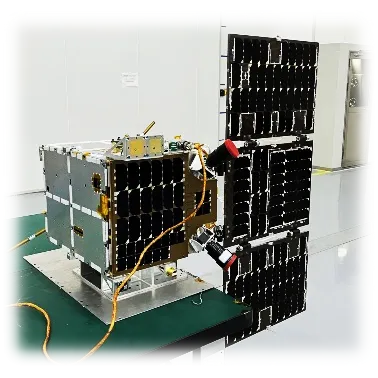
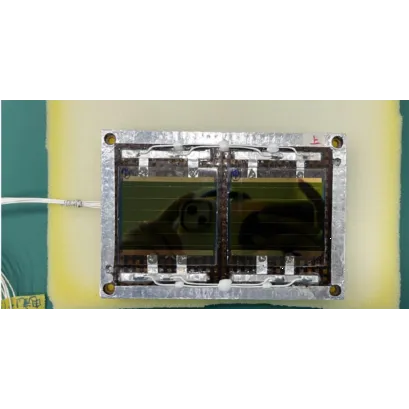
Our Calcium-Titanium-Mineral Solar Arrays represent the pinnacle of photovoltaic engineering, specifically developed for the rigorous demands of aerospace and industrial applications. By integrating a unique composition of calcium, titanium, and mineral-based materials, these arrays achieve superior energy conversion efficiency and unmatched structural integrity, ensuring consistent power delivery in the most challenging environments.
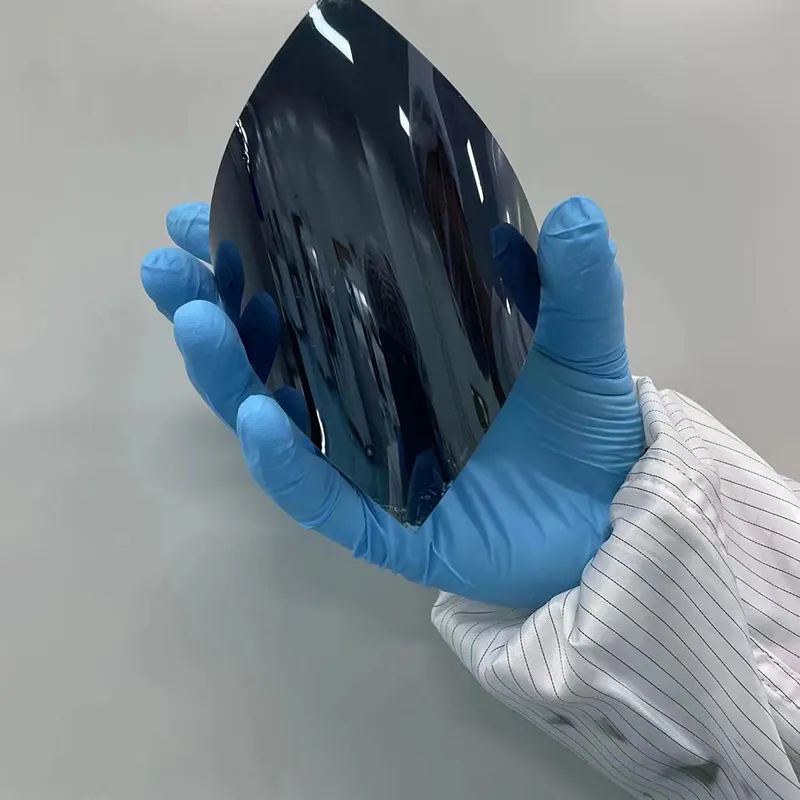
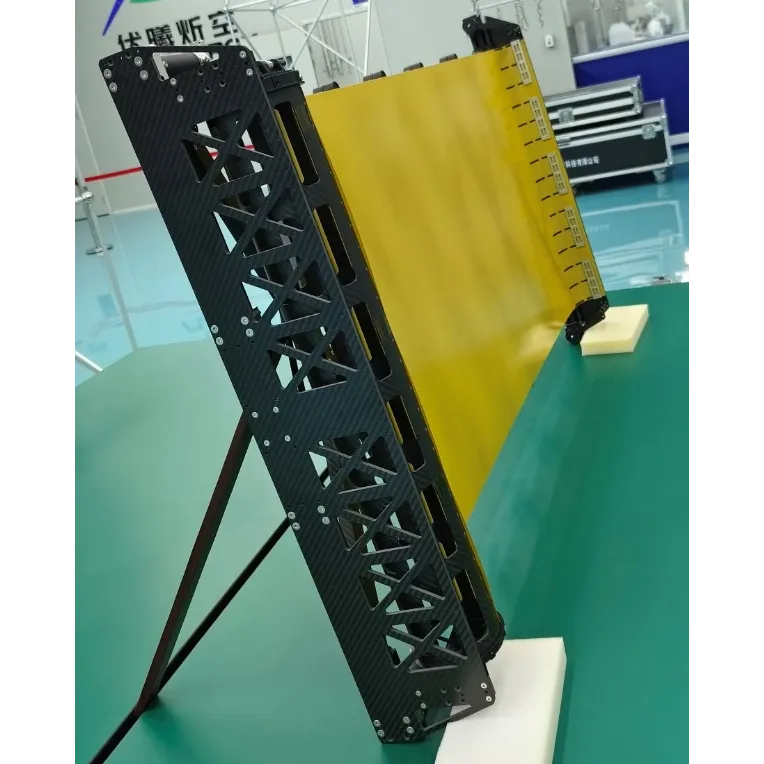
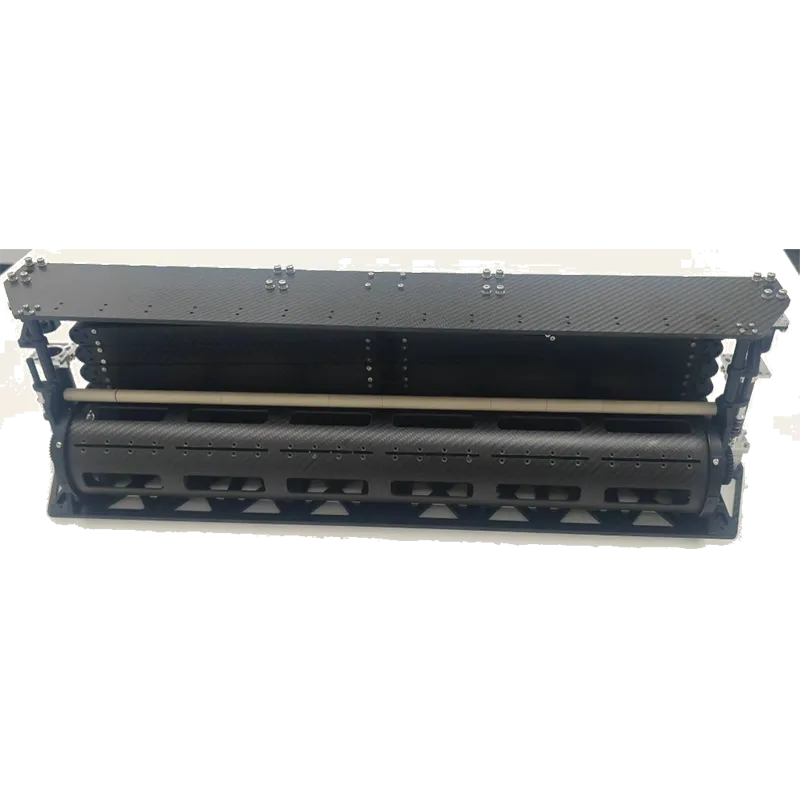
Designed for versatility, these systems range from fixed rigid panels to ultra-lightweight reel flex panels. With advanced coating technologies and innovative cell configurations, our solar arrays provide an eco-friendly, high-performance power solution that maximizes conductivity and thermal stability while minimizing environmental impact and weight.
Detailed Parameters
| Cell Type | Single-junction Calcium-Titanium-Mineral | Efficiency | 20% (Real measurement @AM1.5) |
|---|---|---|---|
| Working Temp | -100℃ to +100℃ | Substrate Options | PCB, Carbon Fiber Al Honeycomb, PI Films |
| Rigid Lifespan | Appraisal 3 years or less | Flex Lifespan | Appraisal 7 years or less |
| Flex Material | Integral PI Membranes | Thermal Stability | High-resistance Mineral Matrix |
| Application | Space-grade / Industrial / UAV | Design Type | Fixed Rigid & Reel Flex Panels |
Key Advantages
Extreme Durability
Engineered to withstand severe temperature fluctuations from -100℃ to +100℃ without degradation.
Extended Service Life
Thin-film Reel Flex panels offer an appraisal lifespan of up to 7 years for long-term missions.
High Conductivity
Calcium-titanium mineral materials optimize electron flow for maximum energy harvest.
Flexible Integration
Available in reel-to-reel flexible formats for easy deployment on curved satellite surfaces.
Ultra-Lightweight
Utilizing carbon fiber and PI films to reduce launch mass without sacrificing power output.
Eco-Friendly Tech
Advanced coating technologies minimize environmental impact during the manufacturing process.
Product Gallery
Management Platforms
Component Sourcing
Seamless procurement of satellite components and high-grade solar cells.
Power Control
Integrated power controller management for optimal energy distribution.
Real-time Monitoring
Continuous tracking of solar array efficiency and thermal health.
TT&C Integration
Full compatibility with Telemetry, Tracking, and Command systems.
Battery Synergy
Optimized charging protocols for high-capacity Lithium Battery Packs.
Deployment Logic
Precision control over folding and unfolding mechanisms for solar arrays.
Investment Return Comparison
| Metric | Standard Silicon Panels | Ca-Ti-Mineral Arrays |
|---|---|---|
| Weight-to-Power Ratio | Heavy / Low | Ultra-Light / High |
| Thermal Range | Limited (-40 to +85℃) | Extreme (-100 to +100℃) |
| Installation Cost | High (Rigid) | Low (Flexible/Reel) |
| Space Reliability | Low (Fragile) | High (Radiation Resistant) |
| Energy ROI | Standard | Accelerated (High Efficiency) |
Frequently Asked Questions
Q: What makes Calcium-Titanium-Mineral cells better for space?
These materials provide superior thermal stability and resistance to extreme environmental degradation, ensuring the array remains operational in the vacuum and temperature swings of space.
Q: What is the difference between Fixed Rigid and Reel Flex panels?
Fixed Rigid panels use honeycomb substrates for structural stability (3yr life), while Reel Flex panels are integrated on PI membranes for flexibility and longer lifespan (7yr life).
Q: Can these arrays be used for UAV applications?
Yes, their lightweight nature and high efficiency make them ideal for UAVs where weight reduction is critical for flight endurance.
Q: What is the actual energy efficiency of the cells?
Our single-junction cells achieve a real measurement efficiency of 20% under AM1.5 conditions.
Q: Are these products compatible with standard power controllers?
They are designed to work seamlessly with our proprietary Power Controllers and Power Sub-Systems for maximum energy optimization.
Q: How is the durability of the PI membrane in Reel Flex panels?
The PI membrane is highly resistant to tearing and temperature stress, allowing for repeated deployment and retraction in space-level environments.
Ready to Power Your Aerospace Mission?
Contact UsMore from this supplier
Astralink Science and Technology Co., Ltd.