Image not available
Chemicals
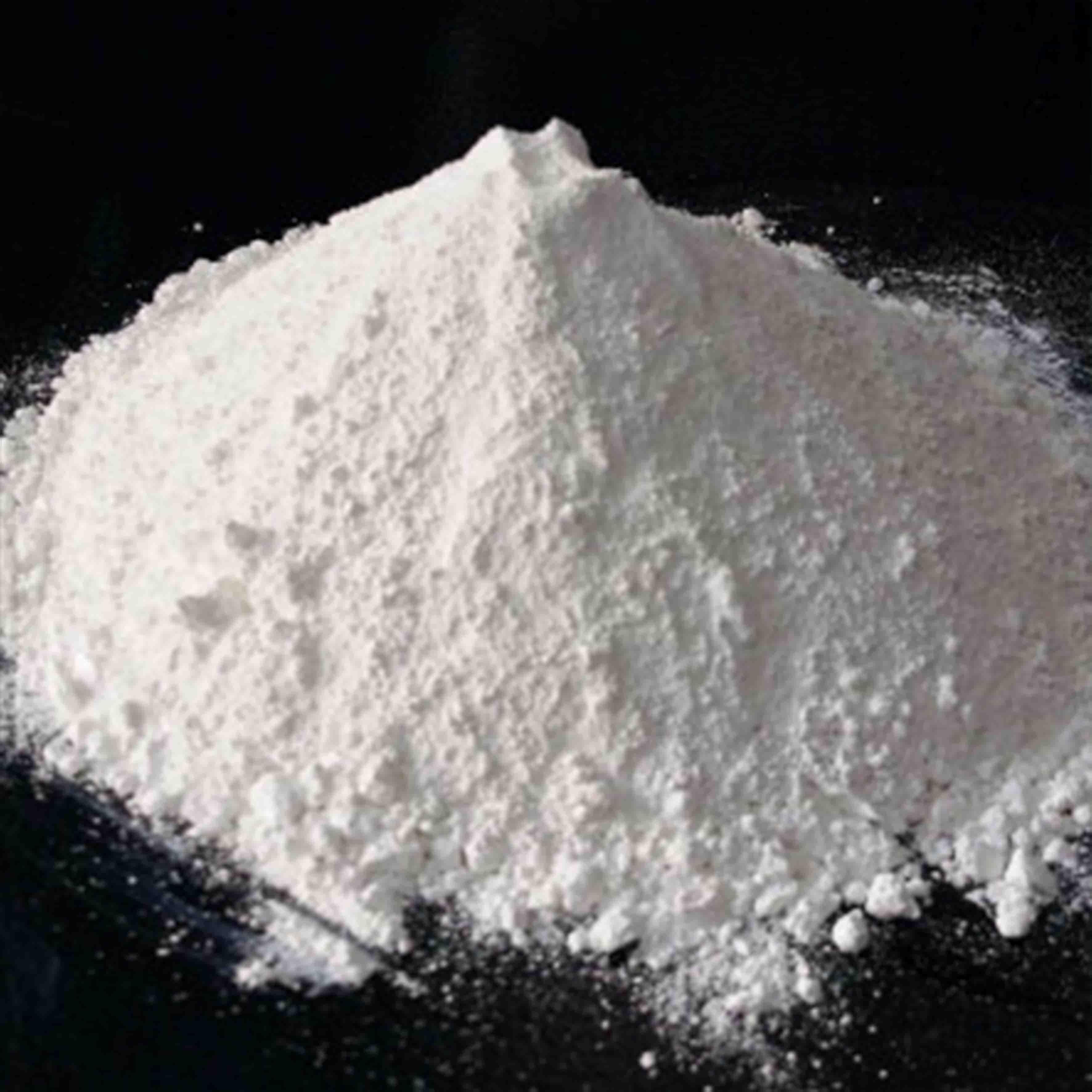
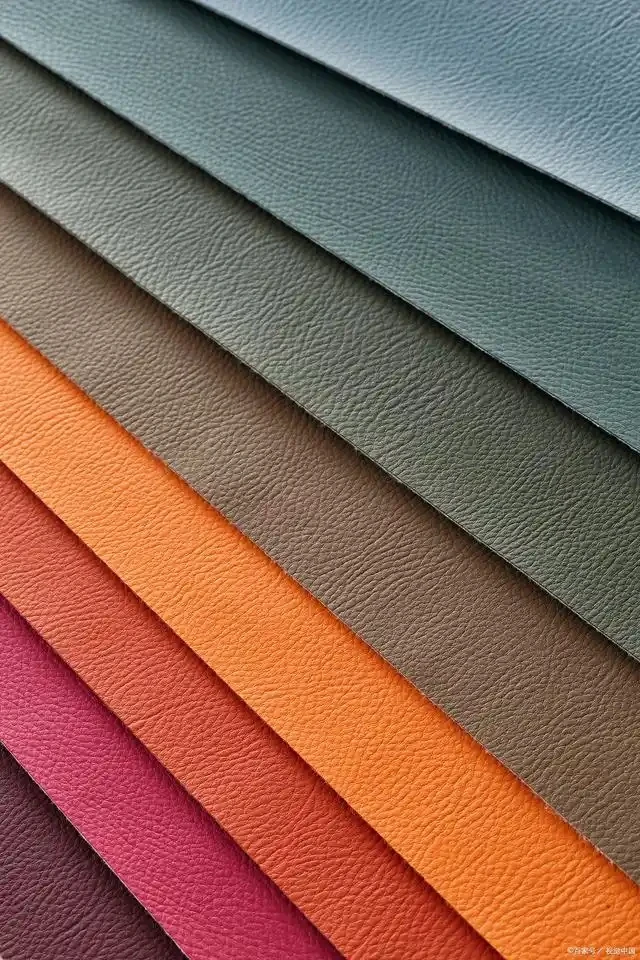
Titanium dioxide for synthetic leather production
When producing synthetic leather, the choice of chloride-based titanium dioxide or sulfate-based titanium dioxide should be based on comprehensive considerations of product performance requirements, cost budget and environmental regulations.
SupplierHebei Caiqing New Material Technology Co., LTDwww.cqtitaniumdioxide.com
Source categories
About this product
Product information from the supplier.
Industry-specific attributes
| CAS No. | 13463-67-7 |
Other attributes
| Item | Technical indicators |
| Oil Obsorption | ≤26 g/100g |
| PH | 6.5-8.0 |
| Sieve Residue(45mesh) | ≤0.1% |
| Water extract resistivity | 20 |
| TiO₂ content | ≥98.0% |
Lead time
| Quantity (kilograms) | 1 - 25 | 26-1000 | 1001 -25000 | >25000 |
| Lead time (days) | 5 | 7 | 15 | To be negotiated |
Recommended choices in the field of synthetic leather
1. Scenarios where chloride-based titanium dioxide is preferred
High-end synthetic leather (such as automotive interiors, luxury packaging materials, and outdoor furniture leather):
If high weather resistance (UV resistance, anti-yellowing), high whiteness and glossiness are required, chloride-based rutile titanium dioxide is the first choice.
Light-colored/high-whiteness synthetic leather:
The blue phase whiteness of chloride-based titanium dioxide is better, which can reduce the amount of fluorescent brighteners.
Regions with strict environmental protection requirements (such as the European Union and North America):
The chloride process is more in line with REACH, RoHS and other regulatory requirements.
2. Scenarios where sulfuric acid-based titanium dioxide can be considered
Mid- and low-end synthetic leather (such as ordinary shoe materials and low-priced luggage):
When cost-sensitive, sulfuric acid-based titanium dioxide is more cost-effective.
Dark-colored or synthetic leather with low covering requirements:
If the amount of titanium dioxide added in the formula is small (such as <5%), sulfuric acid-based anatase titanium dioxide can be used.
Non-outdoor use:
For indoor furniture leather and other scenes that do not require high weather resistance, sulfuric acid products can meet the needs after surface treatment.
Precautions
Dispersion optimization:
Sulfate-based titanium dioxide needs to be matched with more dispersants, otherwise it is easy to cause the surface of synthetic leather coating to be rough.
Process adaptability:
Chloride-based titanium dioxide is more suitable for dry PU leather (high-temperature calendering process).
Sulfate-based titanium dioxide can be used for wet PU leather (the effect of acid residue on the coagulation bath needs to be controlled).
More from this supplier
Hebei Caiqing New Material Technology Co., LTD