Image not available
Metals & minerals
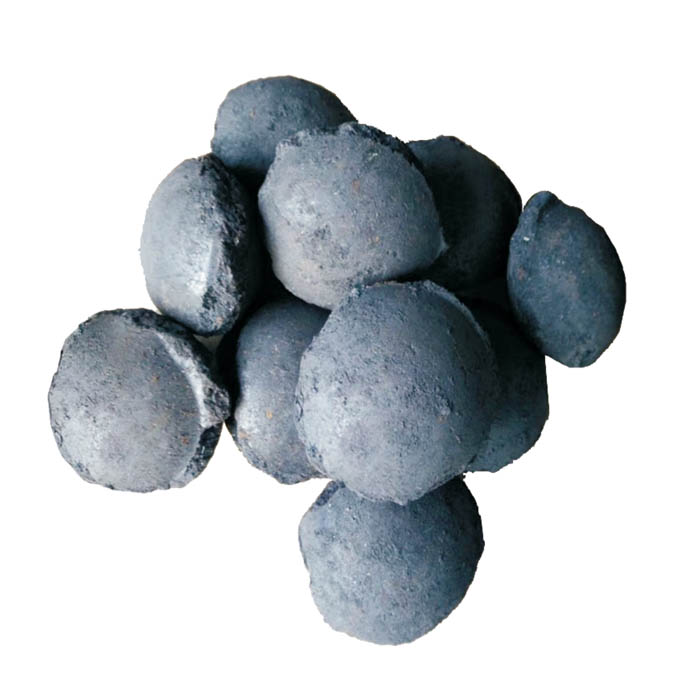
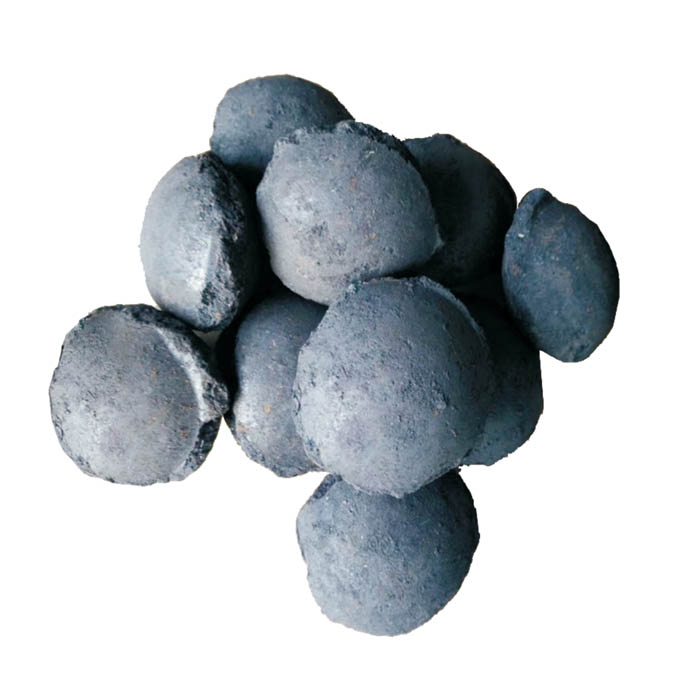
High Performance FerroCarbon Balls for BOF China Factory Suppliers
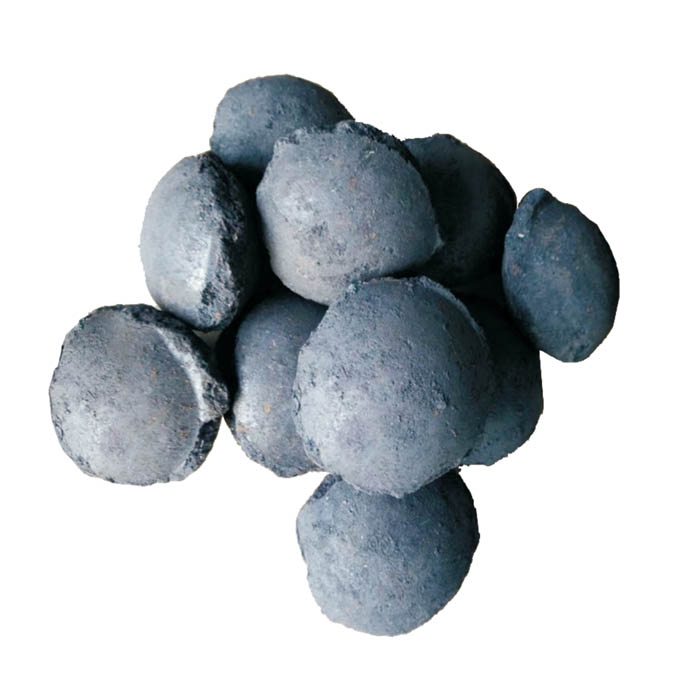
Boost BOF efficiency with high-purity Ferro-Carbon balls from leading China factory suppliers. Add 15kg/ton after scrap loading and before blowing to optimize temperature and reduce steel material costs.
SupplierXingtai Luxi Environmental Protection Technology Co., Ltd.www.xingtailuxi.com
Source categories
About this product
Product information from the supplier.
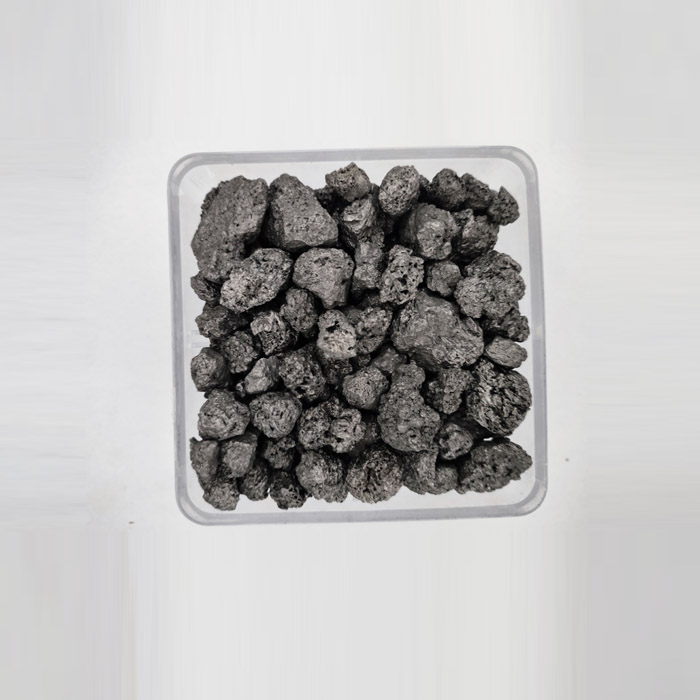
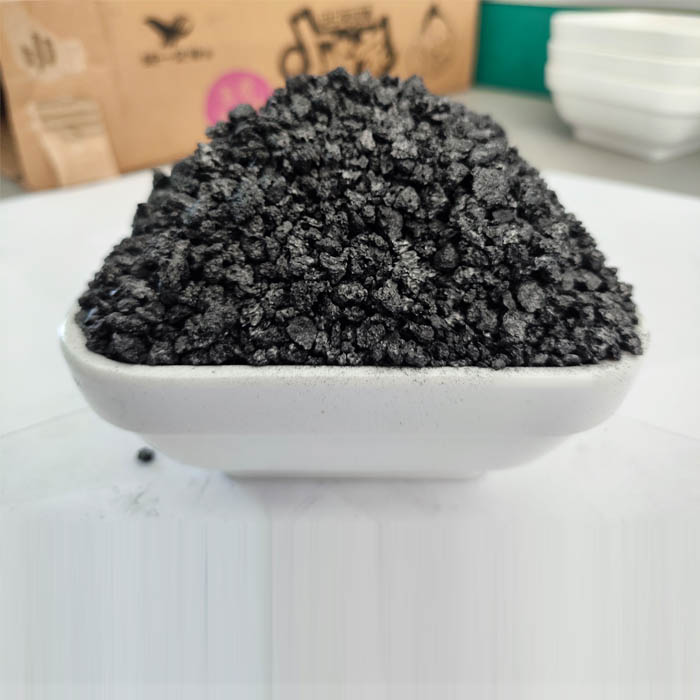
Our high-performance Ferro-Carbon Balls for BOF (Basic Oxygen Furnace) are engineered to optimize the steelmaking process by providing a precise carbon source and thermal boost. Specifically designed for the demanding environment of iron and steel smelting, these balls ensure efficient dissolution and rapid carbon recovery, enabling producers to achieve tighter control over the final chemistry of the molten steel.
By integrating these specialized ferro-carbon balls into your converter operations, you can significantly enhance the thermodynamic efficiency of the BOF. Our product is formulated to minimize trace element contamination, directly contributing to the production of high-purity clean steel while reducing the overall consumption of raw steel materials, thereby lowering operational costs and increasing furnace productivity.
Detailed Parameters
| Iron (Fe) Content | ≥ 40% | Carbon (C) Content | ≥ 25% |
|---|---|---|---|
| Silicon Dioxide (SiO2) | ≤ 10% | Sulphur (S) Content | ≤ 0.4% |
| Phosphorus (P) Content | ≤ 0.1% | Customization | Available as requested |
| Application Area | BOF Converter | Form Factor | Spherical Balls |
| Product Category | Fe-C Alloy / Recarburiser | Primary Function | Carbon Recovery & Heating |
Key Advantages
Ultra-Clean Steel
Extremely low trace element content prevents impurities, ensuring the production of high-grade, clean steel.
Thermal Efficiency
Adding 1kg/ton can increase the BOF end-point temperature by approximately 1.4 degrees.
Cost Reduction
Reduces steel material consumption by approximately 1.2kg/ton for every 1kg of ferro-carbon added.
Optimized Loading
Flexible adding increments (2-3kg/ton) based on real-time temperature and slag melting status.
Precise Control
Ideal for fine-tuning carbon levels after scrap loading and before blowing begins.
High Stability
Consistent chemical composition ensures stable heat cycles and predictable metallurgical outcomes.
Product Gallery
Management Platforms
Material Control
Standardized loading of molten iron and scrap for balanced furnace chemistry.
Timing Optimization
Strategically added after scrap loading and before the blow to maximize efficiency.
Dosage Management
Total additions maintained at ≥15kg/ton, adjusted in bunches for optimal melting.
Thermal Tracking
Real-time monitoring of slag melting and temperature to adjust adding rates.
Bulk Integration
Seamless compatibility with existing bulk material addition workflows.
Data Statistics
Continuous performance tracking to optimize loading times and amounts.
Investment Return Comparison
| Metric | Without Fe-C Balls | With Fe-C Balls |
|---|---|---|
| End-Point Temp | Standard Baseline | +1.4°C per 1kg/ton |
| Steel Material Use | High Consumption | -1.2kg/ton reduction |
| Steel Purity | Standard Trace Elements | Enhanced Cleanliness |
| Process Stability | Variable | Highly Stable |
| Operating Cost | Baseline Cost | Optimized/Reduced |
Frequently Asked Questions
Q: What is the primary purpose of using Ferro-Carbon balls in BOF?
They are used as a high-efficiency recarburiser and heating agent to increase end-point temperatures and optimize carbon levels while reducing overall steel scrap consumption.
Q: How does adding Ferro-Carbon balls affect the production cost?
It reduces costs by decreasing the consumption of expensive steel materials by approximately 1.2kg per ton for every 1kg of ferro-carbon balls added.
Q: When is the best time to add these balls into the converter?
They should be added after the loading of scrap and before the start of the blow for maximum metallurgical effectiveness.
Q: Can the chemical composition of the Fe-C alloy be customized?
Yes, while we provide standard specifications (Fe≥40%, C≥25%), we can customize the composition according to your specific metallurgical requirements.
Q: How do Ferro-Carbon balls contribute to "clean steel" production?
Our balls feature a very low content of trace elements (S≤0.4%, P≤0.1%), which minimizes the introduction of impurities into the melt.
Q: What is the recommended total addition amount per ton?
The total amount added in bunches should generally not be less than 15kg/ton, with incremental additions of 2-3kg/ton based on the slag and temperature state.
Optimize Your Steel Smelting Efficiency Today
Contact UsMore from this supplier
Xingtai Luxi Environmental Protection Technology Co., Ltd.