Image not available
Metals & minerals
Premium Tundish Dry Vibration Material China Factory and Suppliers
High-performance non-toxic Tundish Dry Vibration Material from a leading China factory. Our suppliers provide erosion-resistant solutions extending casting time to over 35 hours, reducing labor intensity and costs with easy decoating.
SupplierXingtai Luxi Environmental Protection Technology Co., Ltd.www.xingtailuxi.com
Source categories
About this product
Product information from the supplier.
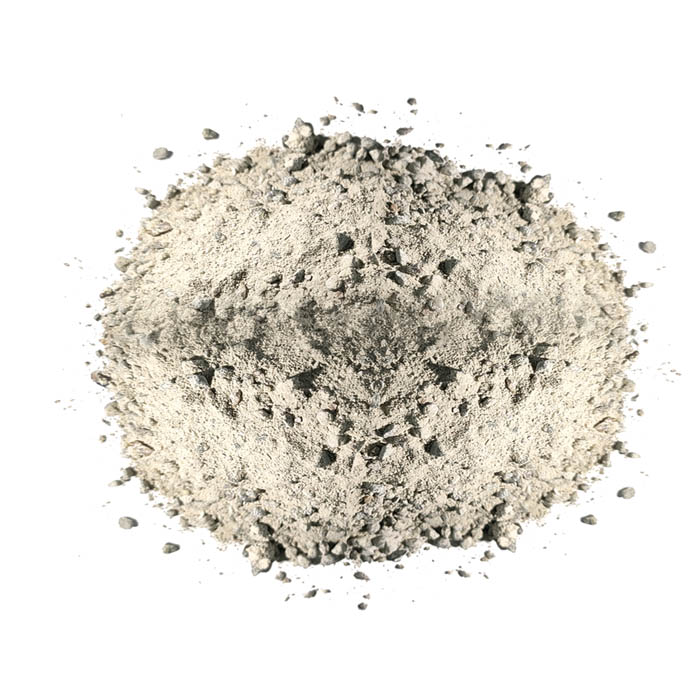
Our premium Tundish Dry Vibration Material is engineered for high-performance continuous casting applications, providing an exceptional thermal barrier and structural support for the tundish lining. Designed to maximize operational efficiency, this non-toxic material significantly reduces labor intensity through a simplified installation process while ensuring superior erosion resistance.
With a proven track record of extending continuous casting times to over 35 hours, our vibration material optimizes liquid steel purity by lowering tundish slagging rates. This results in higher quality steel billets and substantial cost reductions through energy-saving baking cycles and easy decoating (flipping) capabilities.
Detailed Parameters
| Material Type | Magnesia Vibrating Material | MgO Content | ≥ 75% |
|---|---|---|---|
| SiO2 Content | ≤ 2.5% | Bulk Density | ≥ 5.0 g/cm³ |
| Withstand Pressure | -0.2 to 0 MPa (250℃x3h) | Line Change | 0% (250℃x3h) |
| Alternative Type | Mg-Siliceous Vibrating Material | MgO (Siliceous) | ≥ 60% |
| SiO2 (Siliceous) | ≥ 20% | Bulk Density (Siliceous) | ≤ 2.5 g/cm³ |
Key Advantages
Superior Erosion Resistance
Engineered to withstand extreme molten steel environments, ensuring a service life exceeding 35 hours.
High Casting Efficiency
Extends continuous casting duration, reducing downtime and increasing overall plant productivity.
Enhanced Steel Purity
Low tundish slagging rate helps purify liquid steel, directly improving the quality of steel billets.
Energy Saving Design
Short baking times and high thermal efficiency significantly reduce energy consumption during setup.
Easy Decoating
Optimized "flipping" characteristics allow for rapid and effortless removal after use, lowering labor costs.
Eco-Friendly & Safe
Non-toxic composition ensures a safer working environment for operators and reduces environmental impact.
Product Gallery
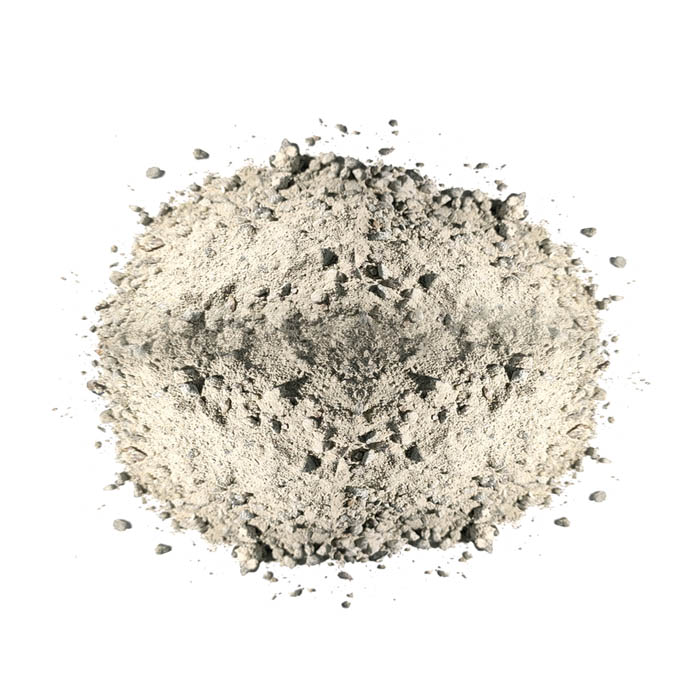
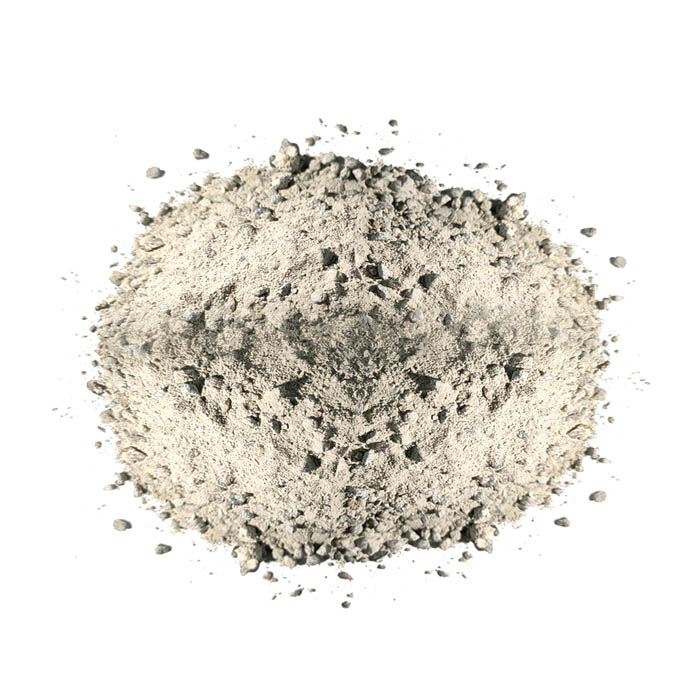
Management Platforms
Flexible Packaging
Available in 1ton Jumbo Bags, or 10kg/25kg small bags within Jumbo Bags to suit your facility.
Precise Installation
Simple 5-step procedure involving metal membranes and vibration for maximum density.
Thermal Control
Optimized baking temperatures between 250°C-400°C for peak explosion-proof performance.
Logistics Hubs
Efficient global delivery via major Chinese ports including Xingang Port and Qingdao Port.
Quality Assurance
Validated by numerous steel plants nationwide with advanced performance levels.
Process Optimization
Guidance on hot steel temperature management to prevent nozzle clogging during first tapping.
Investment Return Comparison
| Metric | Standard Material | Our Vibration Material |
|---|---|---|
| Casting Time | > 35 Hours | |
| Baking Time | Standard Cycle | Shortened Cycle |
| Steel Purity | Conventional | High (Low Slagging) |
| Labor Intensity | High/Manual | Low/Efficient |
| Decoating Effort | Difficult | Easy (Flipping) |
Frequently Asked Questions
Q: What is the average service life of the Tundish Dry Vibration Material?
Our material is used in numerous steel plants and has an average service life of more than 35 hours, reaching advanced industry standards in China.
Q: How does this material improve the quality of steel billets?
It maintains a low tundish slagging rate, which helps purify the liquid steel and results in a higher quality final billet.
Q: What are the available packaging options for bulk orders?
We offer 1ton Jumbo Bags, as well as 10Kg or 25Kg small bags packed within Jumbo Bags, or customized packaging as per your request.
Q: Are there any specific precautions during the baking process?
Once the tundish is baked red, the wall should not be cooled down; this prevents the cladding structure from loosening and guarantees performance.
Q: How do I avoid nozzle clogging during the first tapping?
It is recommended to raise the temperature of the hot steel appropriately during the first tapping to ensure smooth flow and avoid clogging.
Q: What is the difference between Magnesia and Mg-Siliceous vibrating materials?
Magnesia material has higher MgO (≥75%) and higher bulk density (≥5.0g/cm³), while Mg-Siliceous material contains more SiO2 (≥20%) and has a lower bulk density (≤2.5g/cm³).
Optimize Your Casting Efficiency Today
Contact UsMore from this supplier
Xingtai Luxi Environmental Protection Technology Co., Ltd.