
Image not available

Metals & minerals
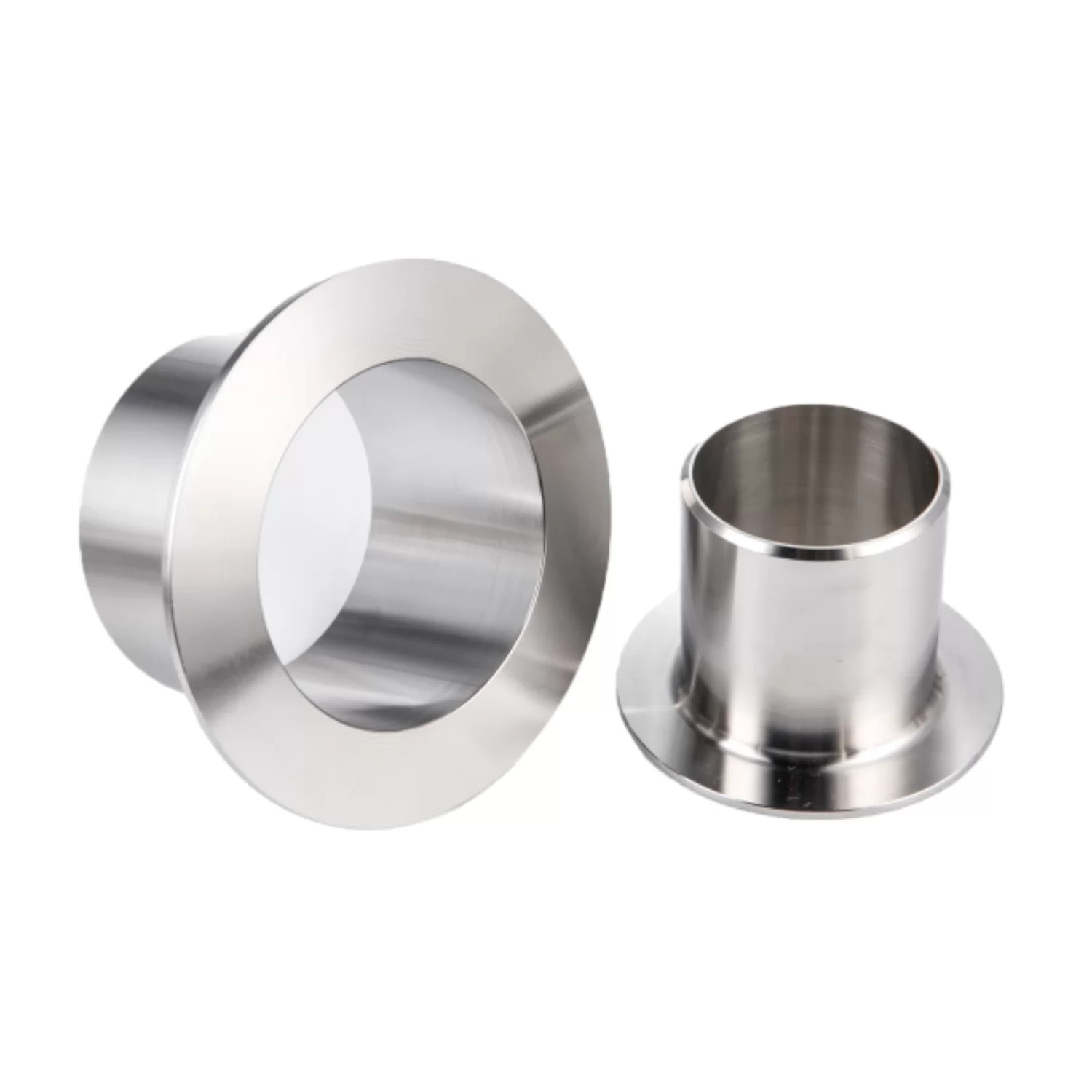
ASME B16.5 SlipOn Flange China Suppliers Industrial Pipe Fitting Factory
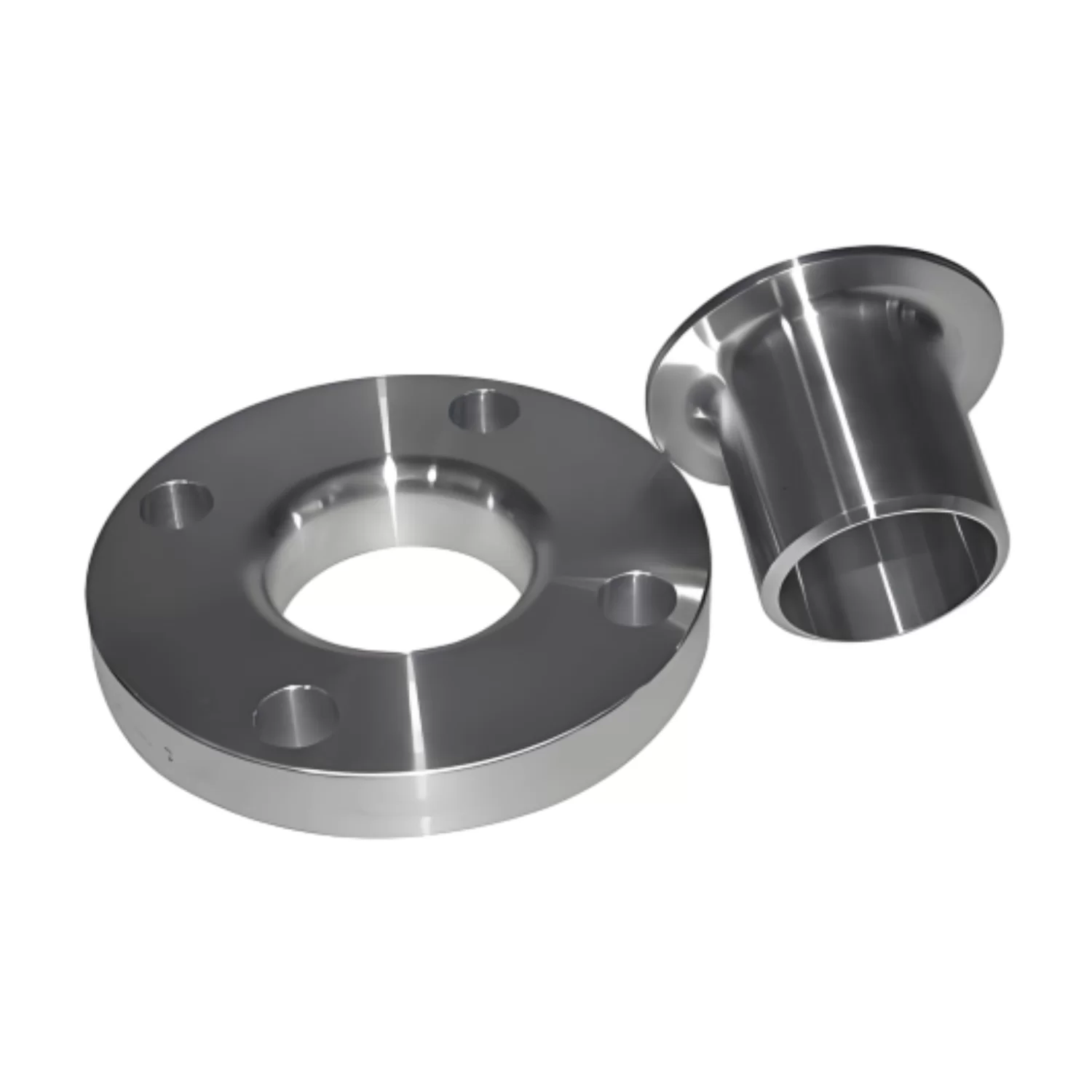
Looking for high-performance ASME B16.5 slip-on flanges? As leading China suppliers and a certified factory, we provide loose-fit designs that relieve thermal stress and simplify installation for petrochemical and HVAC systems.
SupplierCangzhou Weihuan Pipeline Equipment Co.,Ltd.www.weihuantube.com
Source categories
About this product
Product information from the supplier.
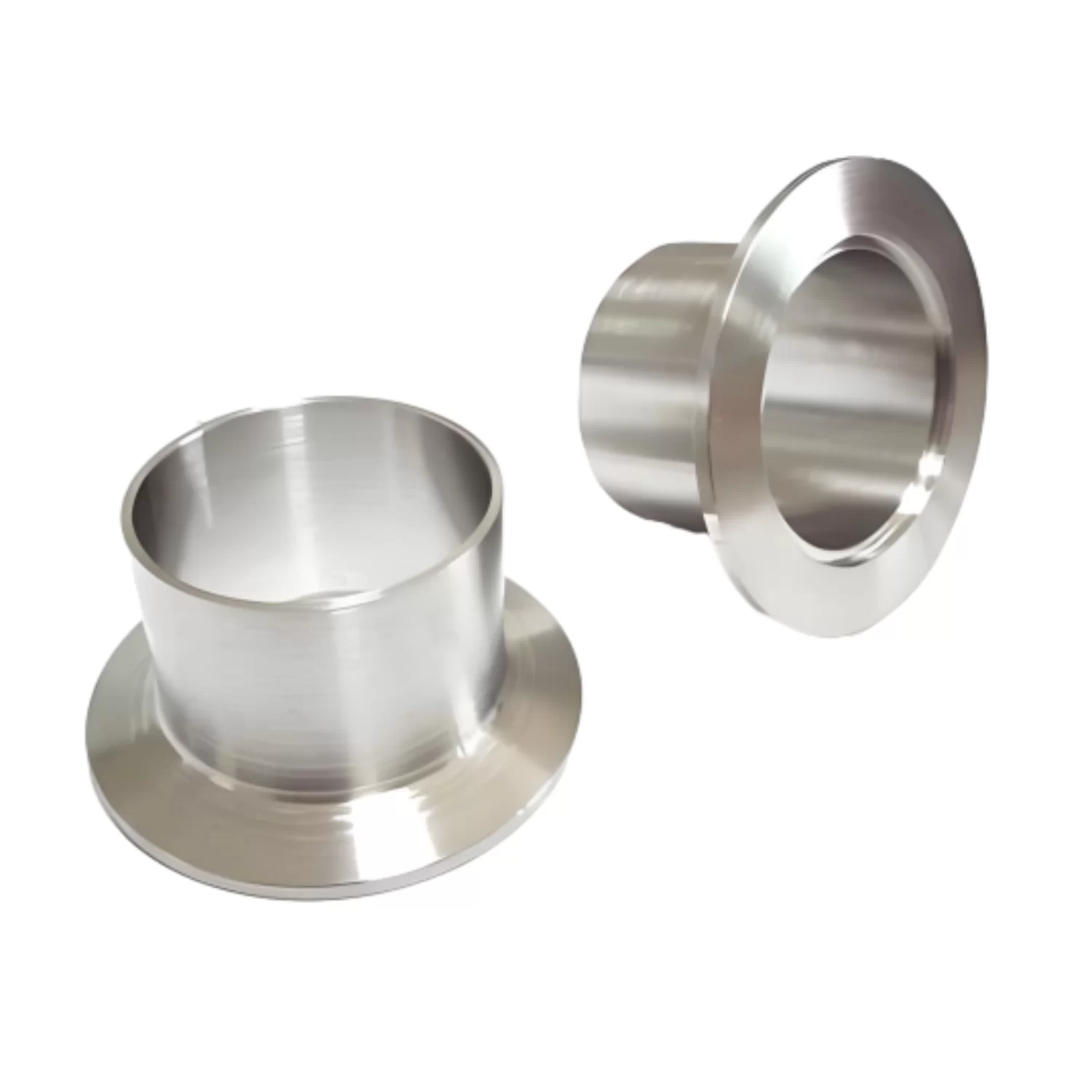
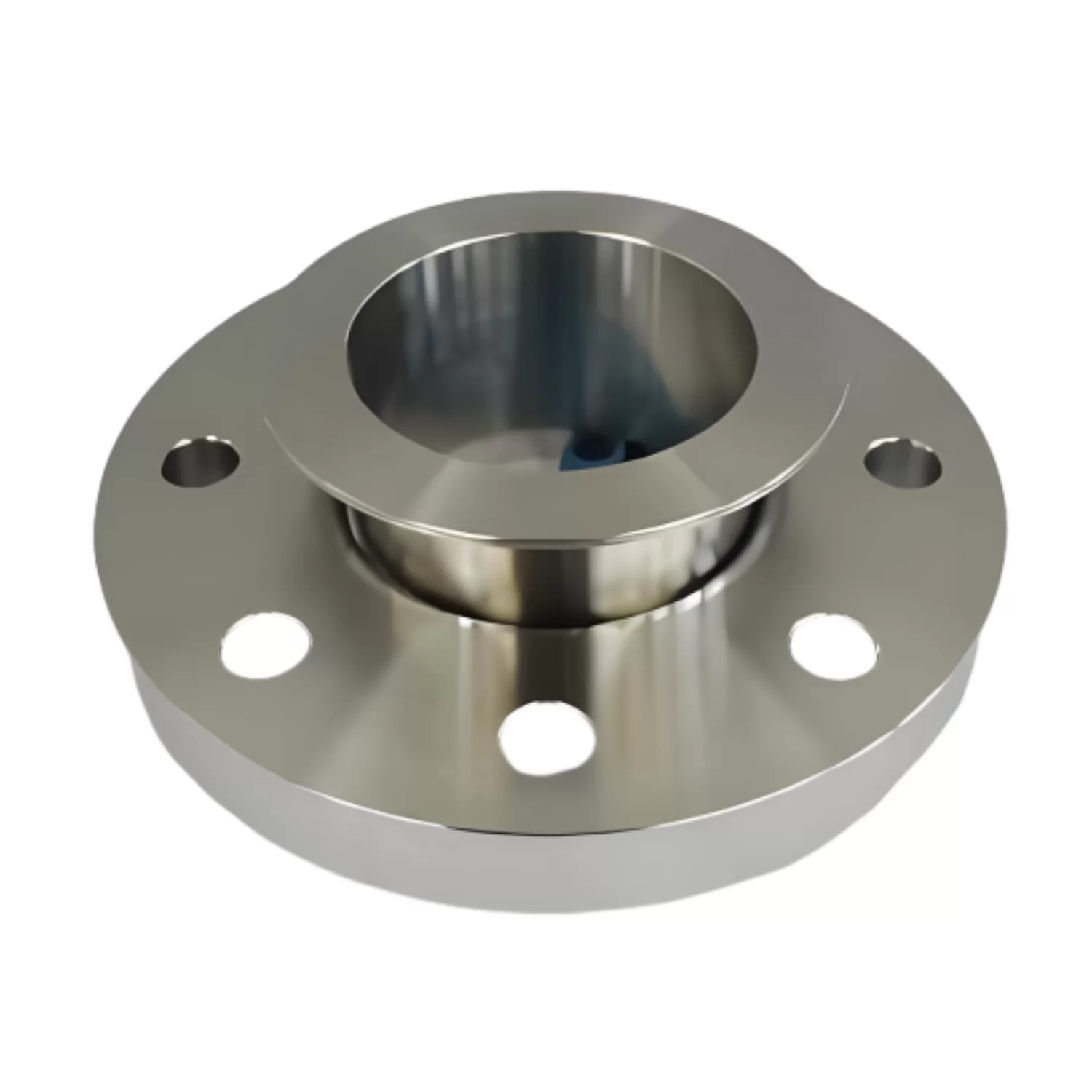
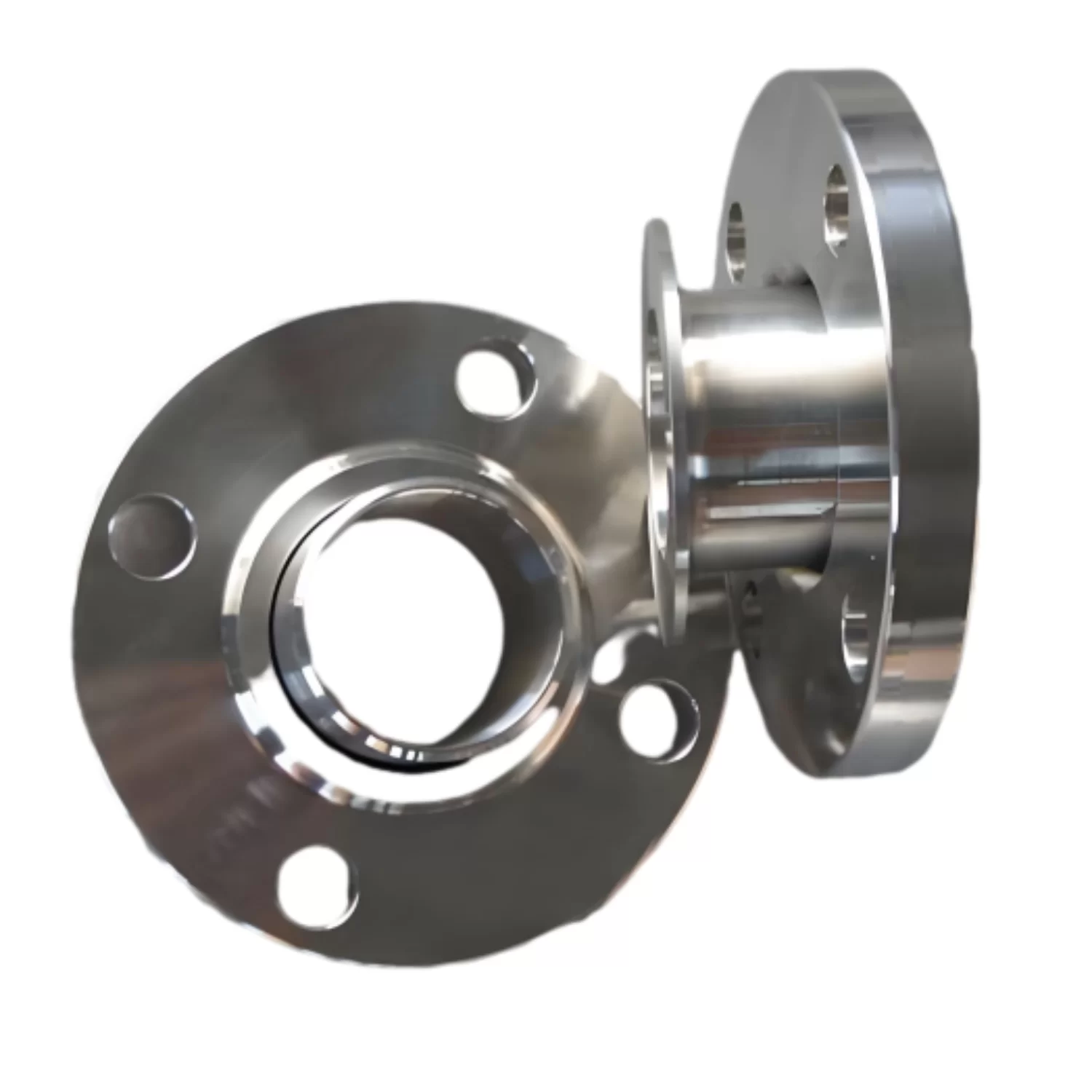
The Slip-On Flange (ASME B16.5) is a high-performance pipe fitting engineered for versatility and structural integrity. Consisting of a flange disc and a sleeve (lap joint stub end), it features a "loose-fit" design where the inner diameter of the disc is slightly larger than the pipe's outer diameter. This innovative architecture allows the pipe to slide into the flange, ensuring a secure connection through bolt fastening and precision welding of the sleeve.
Designed specifically to handle industrial stress, the slip-on flange effectively compensates for axial expansion, contraction, and angular deflection. This makes it an indispensable component in systems prone to thermal fluctuations, significantly simplifying the installation process while reducing the risk of stress concentration in rigid piping networks across the petrochemical, HVAC, and marine sectors.
Detailed Parameters
| Design Standard | ASME B16.5 (Class 150 to Class 2500) | Nominal Size (NPS) | 1/2" to 24" (Custom large diameters available) |
|---|---|---|---|
| Material Options | ASTM A105, A350 LF2, A182 F304/F316, F11/F22 | Sealing Face | Raised Face (RF), Flat Face (FF), Ring Type Joint (RTJ) |
| Carbon Steel Temp | Operating temperature ≤ 425℃ | Stainless Steel Temp | Operating range 270℃ to 816℃ |
| Alloy Steel Temp | High temp resistance above 600℃ (F22) | Angular Deflection | Supports up to ±3° angular adjustment |
| Axial Displacement | Supports up to ±5mm displacement | Quality Certification | ISO 9001, ASME U Stamp, PED 2014/68/EU |
Key Advantages
Stress Compensation
The loose-fit structure relieves stress caused by thermal expansion and contraction, preventing pipe failure.
Rapid Installation
Only the sleeve requires welding, reducing the precision requirements for pipe alignment during assembly.
Cost Optimization
Reduces the use of expensive high-grade materials for large-diameter pipelines compared to integral flanges.
Easy Maintenance
Simple disassembly by loosening bolts allows for quick gasket or flange replacement without cutting pipes.
Material Versatility
Available in carbon, stainless, and alloy steels to suit corrosive, acidic, or high-pressure environments.
Certified Quality
Strict UT non-destructive testing ensures zero internal porosity and full compliance with global standards.
Product Gallery
Management Platforms
Forging Control
Precision forging processes tracked to ensure structural density and mechanical strength.
Heat Treatment
Strict temperature control logs for normalizing and tempering to optimize material hardness.
Dimensional Audit
100% inspection of diameters, thickness, and bolt hole positioning before shipment.
UT Testing
Ultrasonic Testing (UT) implemented to detect internal inclusions or porosity flaws.
Material Traceability
Full MTR (Material Test Reports) provided for all carbon and stainless steel batches.
ISO Compliance
Adherence to ISO 9001 quality management systems for global export reliability.
Investment Return Comparison
| Comparison Factor | Slip-On Flange | Integral Welding Flange |
|---|---|---|
| Installation Speed | Very Fast (Easy alignment) | Slow (High precision needed) |
| Material Cost | Low (Optimized use) | High (Full grade material) |
| Thermal Stress | High Compensation (±3°) | Rigid (Low compensation) |
| Maintenance Cost | Low (Fast replacement) | High (Requires pipe cutting) |
| Overall ROI | Excellent for Large-Scale | Better for Extreme Pressure |
Frequently Asked Questions
Q: What is the main difference between a slip-on flange and a weld neck flange?
Slip-on flanges slide over the pipe and are welded both inside and outside, offering easier installation and lower cost, whereas weld neck flanges are butt-welded for higher pressure and stress resistance.
Q: Which material is best for highly corrosive chemical environments?
Stainless Steel (especially ASTM A182 F316) is recommended due to its superior acid and alkali resistance compared to carbon steel.
Q: Can slip-on flanges be used in high-temperature power plants?
Yes, specifically Alloy Steel flanges (like F22) are designed to withstand temperatures exceeding 600℃, making them ideal for thermal power generation.
Q: What does the "Raised Face (RF)" sealing standard mean?
A Raised Face means the gasket surface is slightly elevated above the bolting circle, which concentrates more pressure on the gasket to ensure a tighter seal.
Q: How does the slip-on design handle pipe vibration in marine engineering?
The loose-fit nature allows for slight angular and axial movement, which helps absorb vibration and impact loads during vessel navigation.
Q: What certifications should I request for export-grade structural metal products?
For global exports, you should ensure the products carry the ASME U Stamp, ISO 9001, and PED 2014/68/EU certification for European markets.
Get a Professional Quote for High-Precision Flanges Today
Contact UsMore from this supplier
Cangzhou Weihuan Pipeline Equipment Co.,Ltd.


