Image not available
Industrial manufacturing
High Performance SAE J1401 Brake Hose China Factory and Suppliers
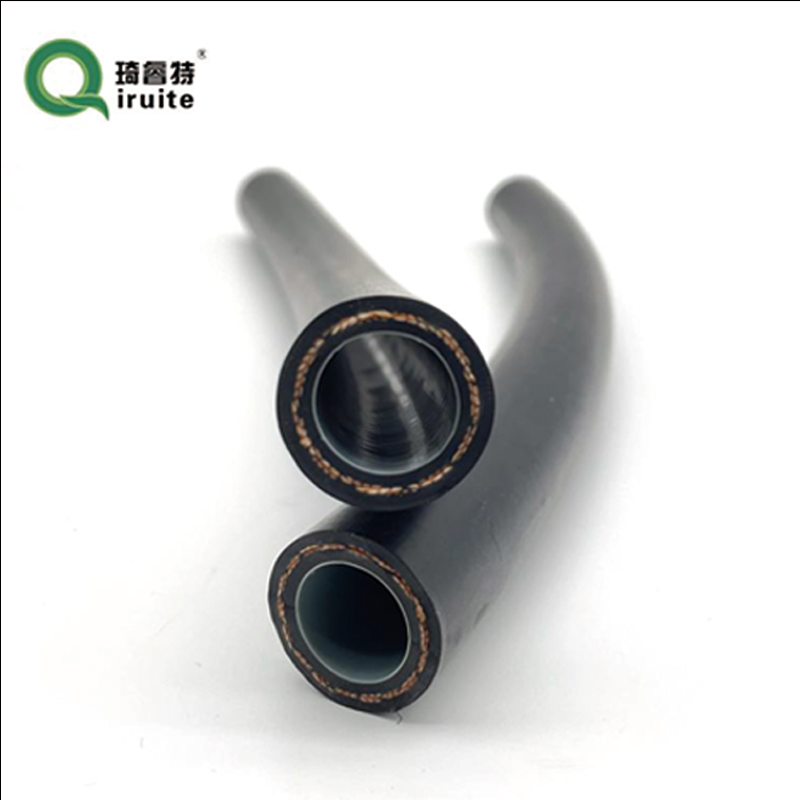
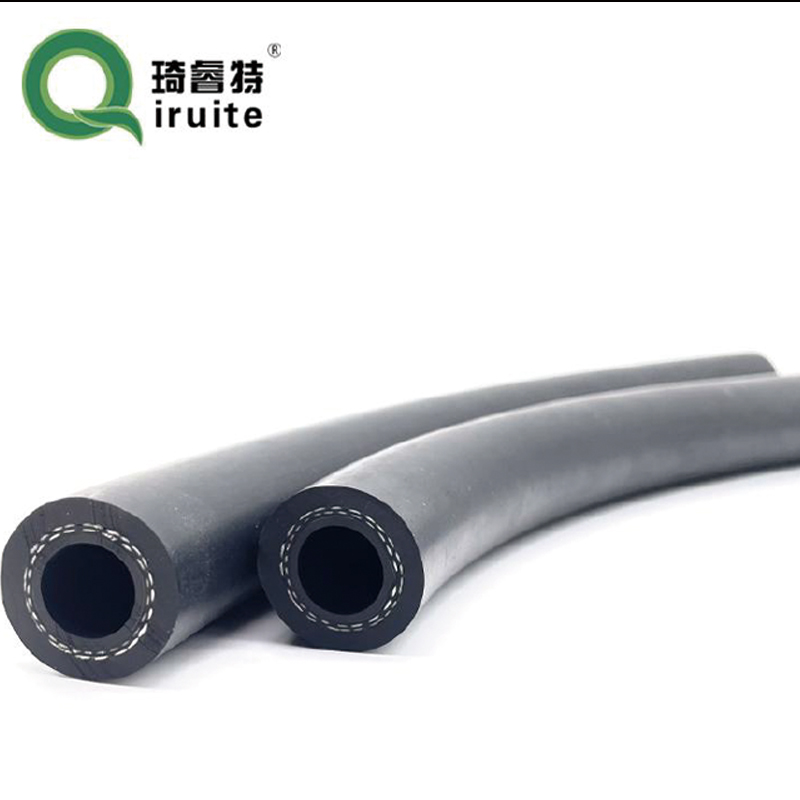
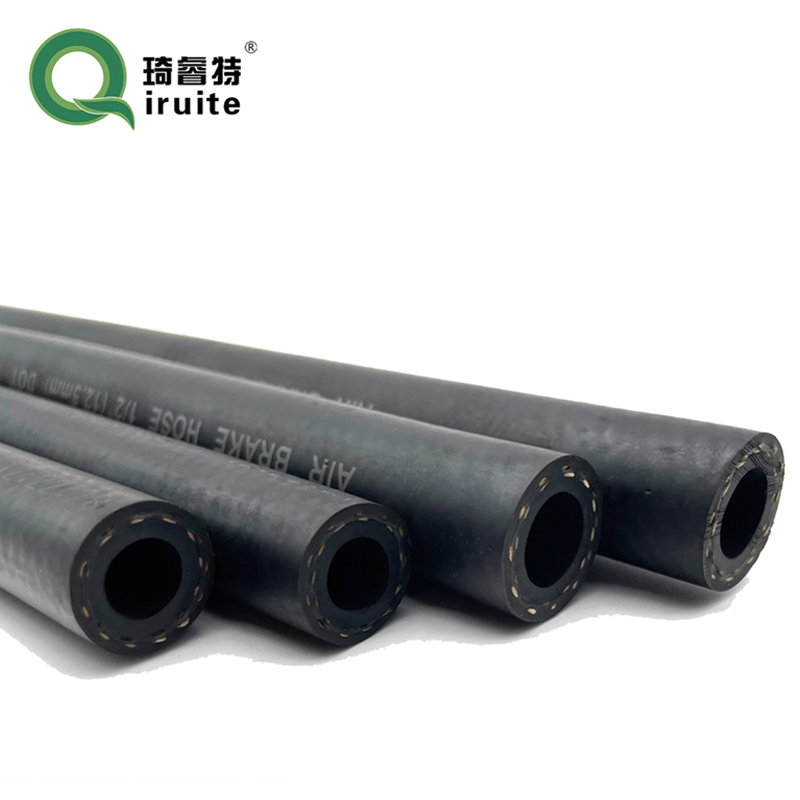
Premium SAE J1401 brake hose for auto, truck, and trailer hydraulic systems. Sourced from a leading China factory and trusted suppliers, our oil break hoses feature high-quality braided polyester or nylon for maximum pressure transmission and safety.
SupplierHebei Qiruite Rubber and Plastic Products Co.,Ltd.www.hoseqrt.com
Source categories
About this product
Product information from the supplier.
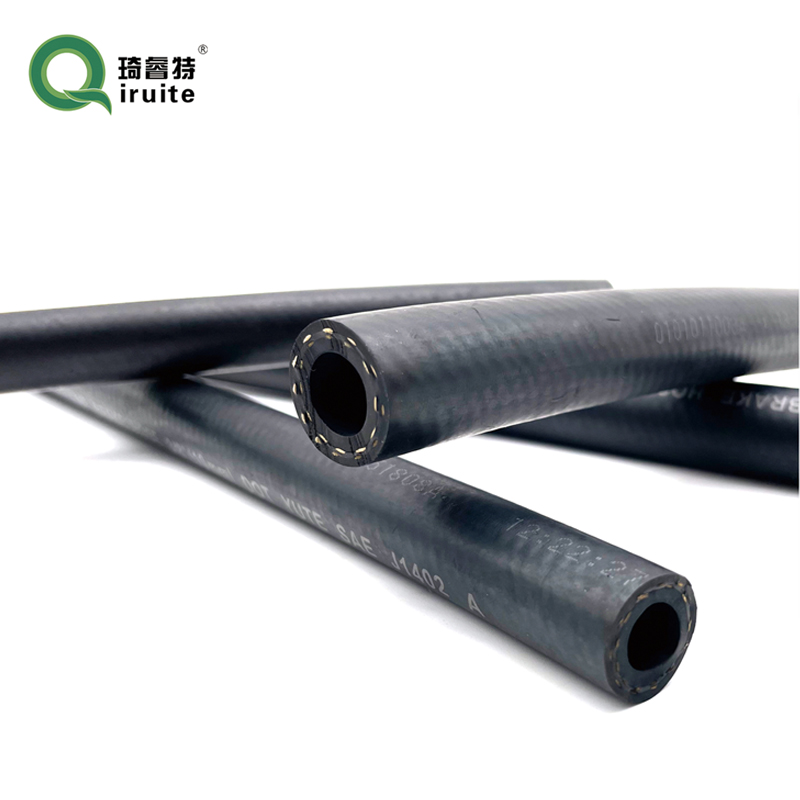
The SAE J1401 Brake Hose is a high-performance pressure transmission component specifically engineered for automotive hydraulic brake systems. Designed to maintain critical pressure integrity, it is the ideal solution for cars, motorcycles, light trucks, and heavy-duty vehicles where safety and precision braking are paramount.
Beyond automotive use, these high-pressure hydraulic oil lines are versatile enough for construction, machine tool, and agricultural machinery. Compatible with both petroleum and water-based hydraulic fluids, this hose ensures reliable operation in the most demanding industrial environments.
Detailed Parameters
| Technical Standard | SAE J1401 | Temperature Range | -40℃ to +120℃ |
|---|---|---|---|
| Burst Pressure | >60MPa | Fluid Compatibility | Petroleum & Water-based |
| Inner Diameter (1/8") | 3.2±0.2 mm | Outer Diameter (1/8") | 10.5±0.3 mm |
| Wall Thickness (1/8") | 3.65 mm | Working Pressure (1/8") | 3.65 MPa |
| Inner Diameter (3/16") | 4.8±0.2 mm | Burst Pressure (3/16") | >60MPa |
Key Advantages
Extreme Pressure Resistance
Engineered with a burst pressure exceeding 60MPa to ensure maximum safety under critical braking loads.
Thermal Stability
Operates reliably across a wide temperature spectrum from -40℃ to +120℃ without material degradation.
Low Inner Expansion
Minimal cubage expansion ensures immediate brake response and precise hydraulic pressure transmission.
Ozone & Heat Resistance
Specialized rubber compounding prevents cracking and aging caused by ozone exposure and engine heat.
Low Moisture Permeation
Advanced sealing properties prevent moisture ingress, protecting the brake system from internal corrosion.
Industry Standard Compliance
Fully compliant with SAE J1401 specifications for seamless integration into global automotive platforms.
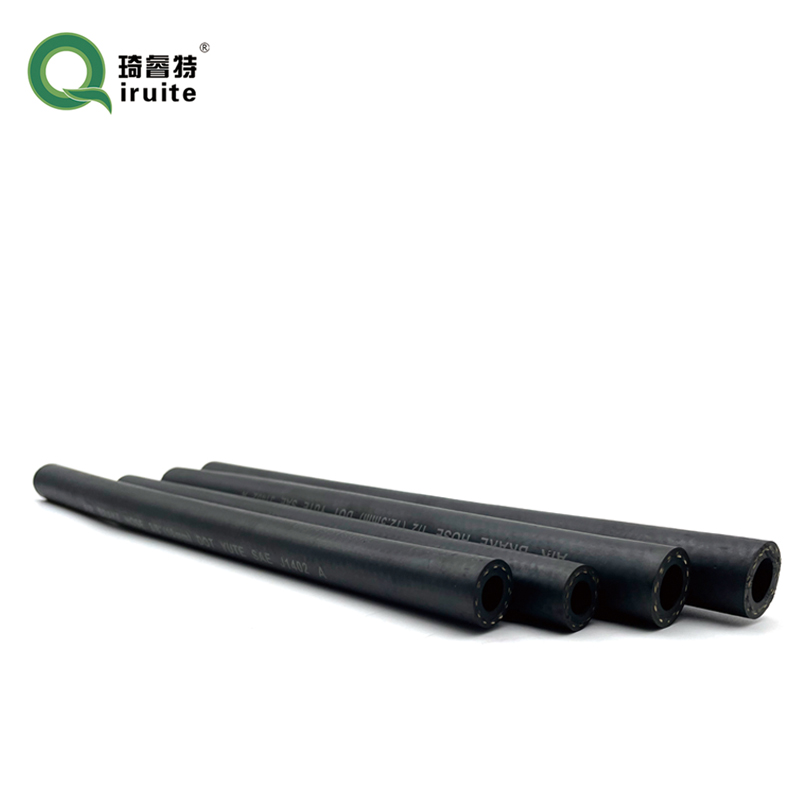
Product Gallery
Management Platforms
Quality Control
Rigorous batch testing to ensure every hose meets SAE J1401 burst pressure standards.
Precision Manufacturing
Utilizing advanced extrusion technology for precise wall thickness and inner diameter control.
Supply Chain Efficiency
Optimized logistics for rapid delivery of rubber components to automotive assembly lines.
Material Traceability
Full tracking of raw rubber compounds to guarantee consistency and performance.
Inventory Management
Strategic warehousing of popular sizes like 1/8" and 3/16" for immediate dispatch.
Custom Engineering
Collaborative R&D to adapt hose specifications for specialized heavy-duty machinery.
Investment Return Comparison
| Feature Metrics | Standard Rubber Hose | SAE J1401 Brake Hose |
|---|---|---|
| Service Life | Short to Medium | Extended Long-term |
| Pressure Stability | Moderate Fluctuations | High Precision Stability |
| Maintenance Cycle | Frequent Inspection | Reduced Interval |
| Failure Risk | Higher Permeation Risk | Ultra-Low Permeation |
| Overall ROI | Basic Cost Saving | High Value/Safety Return |
Frequently Asked Questions
Q: What is the primary application of SAE J1401 Brake Hoses?
They are primarily used as pressure transmission lines in automotive hydraulic brake systems for cars, motorcycles, and light trucks, as well as high-pressure lines in construction and agricultural machinery.
Q: Can these hoses be used with water-based hydraulic fluids?
Yes, the SAE J1401 Brake Hose is specifically designed to be compatible with both petroleum-based and water-based hydraulic fluids.
Q: What does "Low Inner Cubage Expansion" mean for braking performance?
It means the hose does not expand significantly under pressure, ensuring that the force applied to the brake pedal is transmitted directly to the calipers without loss, resulting in a firmer pedal feel.
Q: How does this hose handle extreme weather conditions?
With an operating temperature range of -40℃ to +120℃ and high ozone resistance, it remains flexible in freezing cold and durable in extreme engine heat.
Q: What is the burst pressure rating for the 1/8" and 3/16" sizes?
Both the 1/8" and 3/16" specifications are engineered to withstand a burst pressure of greater than 60MPa.
Q: Why is low moisture permeation important for rubber brake hoses?
Moisture in brake fluid can lower the boiling point and cause internal corrosion; low permeation ensures the hydraulic fluid remains pure and effective.
Ready to Upgrade Your Hydraulic System Safety?
Contact UsMore from this supplier
Hebei Qiruite Rubber and Plastic Products Co.,Ltd.