
Image not available

New energy
HighPerformance FRP Filament Wound Pipes China Factory and Suppliers
Looking for reliable FRP Filament Wound Pipes from a leading China factory? As premier suppliers, we provide advanced composite piping systems made from high-strength glass fibers and epoxy resins for superior corrosion resistance and durability.
SupplierHebei Zhongtian Composite Materials Group Co., Ltd.www.hbztcomposite.com
Source categories
About this product
Product information from the supplier.
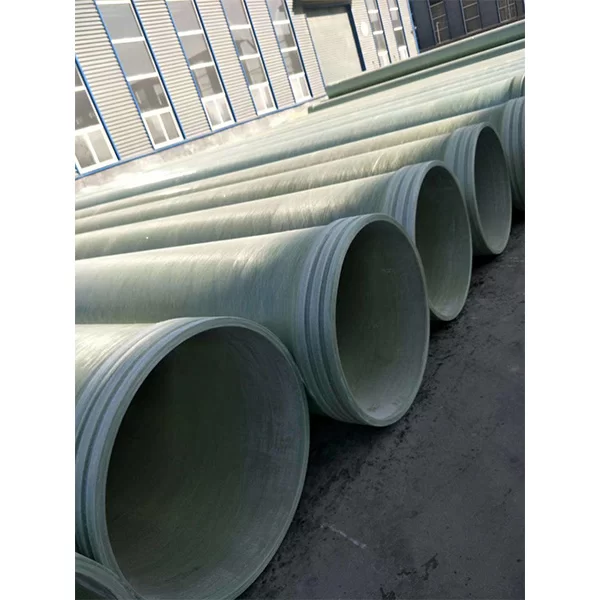
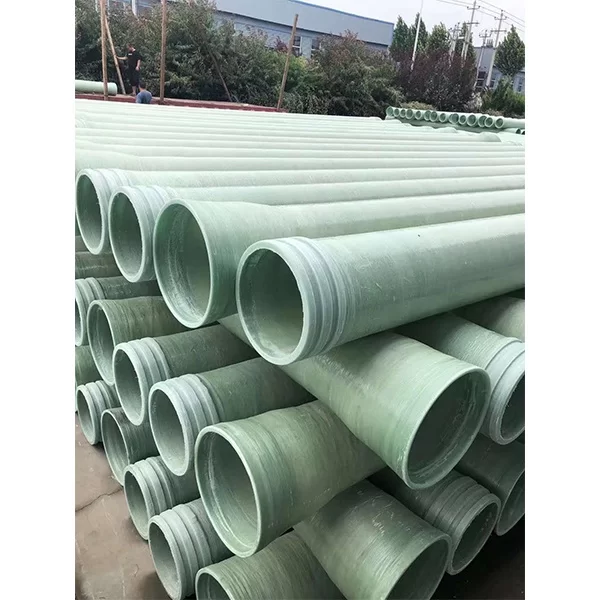
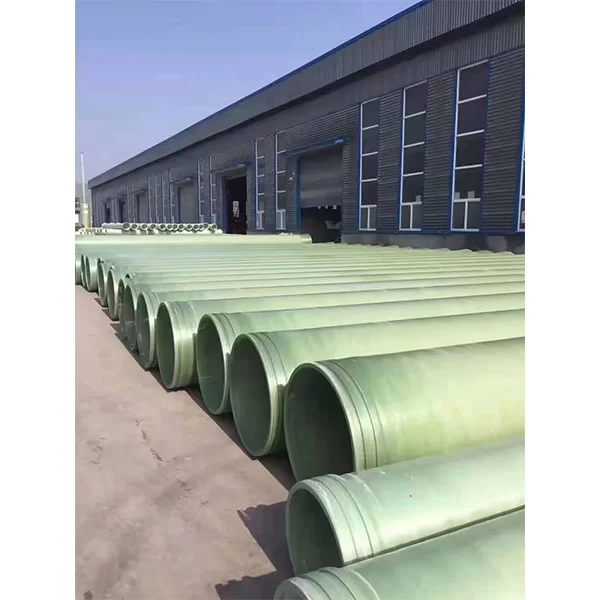
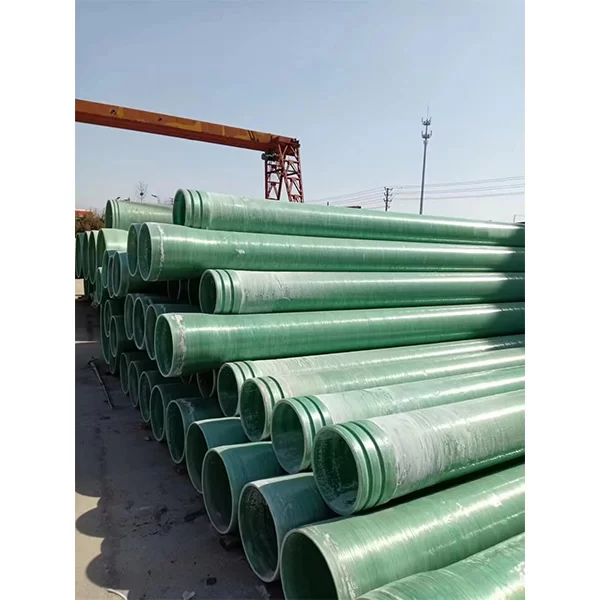
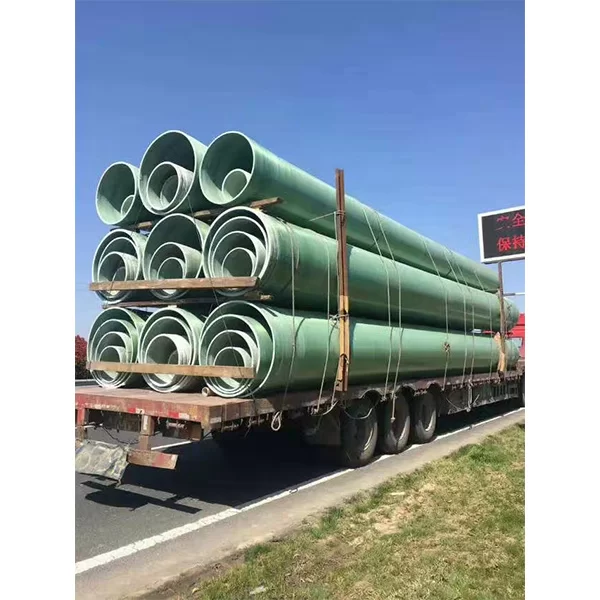
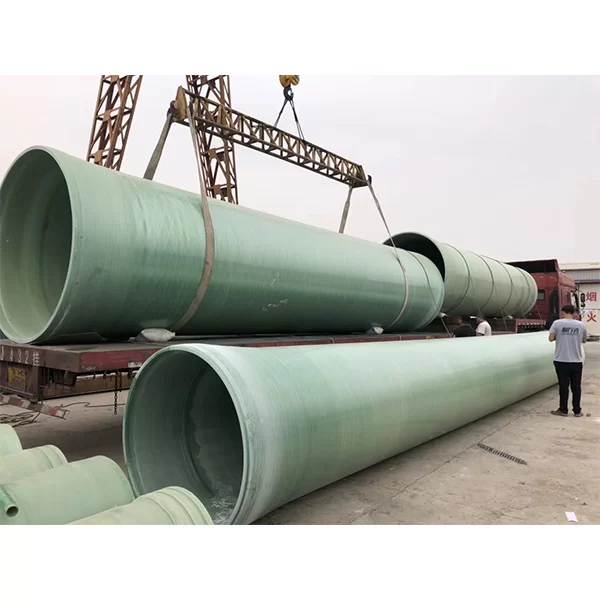
FRP Filament Wound Pipes represent a high-performance leap in fluid transmission technology, offering a lightweight yet exceptionally strong alternative to traditional steel, ductile iron, or concrete pipelines. Engineered using advanced composite materials, these pipes are specifically designed to provide superior corrosion resistance and a high strength-to-weight ratio, making them the ideal choice for the most demanding industrial, municipal, and infrastructure environments.
Utilizing a precision filament winding process, our pipes ensure uniform wall thickness and enhanced hoop strength, guaranteeing consistent quality across all production batches. Whether for high-pressure industrial chemical transport or large-scale municipal water systems, our FRP solutions are fully customizable in terms of pressure classes, stiffness, diameters, and lengths to meet rigorous engineering specifications and environmental conditions.
Detailed Parameters
| Manufacturing Process | Precision Continuous Filament Winding | Reinforcement Material | High-Strength Glass Fiber |
|---|---|---|---|
| Resin Matrix Options | Vinyl Ester / Epoxy Resins | Service Life Expectancy | Exceeding 50 Years |
| Corrosion Resistance | Chemical, Electrochemical & Biological | Internal Surface | Smooth Low-Friction Liner |
| Joint Systems | Bell-and-Spigot, Flange, Laminated | Pressure Rating | Customizable Pressure Classes |
| Thermal Property | Natural Thermal Insulation | Conductivity | Non-Conductive (Electrical Insulation) |
Key Advantages
Ultimate Corrosion Resistance
Inherently resistant to acids, alkalis, and salts without needing cathodic protection or internal linings.
Extended Service Life
Designed for 50+ years of durability, maintaining structural integrity in harsh corrosive environments.
High Strength-to-Weight
Exceptional tensile and hoop strength while remaining significantly lighter than metal or concrete.
Hydraulic Efficiency
Smooth internal surfaces reduce friction, lowering energy consumption and increasing flow capacity.
Installation Economy
Lightweight structure minimizes heavy lifting equipment needs and slashes transportation costs.
Customizable Design
Tailored fiber orientation and resin composition to meet project-specific stiffness and pressure needs.
Product Gallery
Management Platforms
Municipal Water Supply
Hygienic and durable solutions for potable water transmission with minimal pressure loss.
Wastewater & Sewerage
Resistant to biological degradation and corrosive gases in underground sewer networks.
Industrial Chemical Processing
Stable transport for aggressive media including concentrated acids, alkalis, and solvents.
Desalination Systems
Chloride-resistant pipelines ideal for seawater intake and discharge in coastal environments.
Power Plant Infrastructure
High-performance piping for cooling water and flue gas desulfurization systems.
Agriculture & Irrigation
Large-diameter, lightweight conveyance systems ensuring long-term field performance.
Investment Return Comparison
| Comparison Metric | Traditional Steel/Concrete | FRP Filament Wound |
|---|---|---|
| Installation Speed | Slow (Heavy Equipment) | Rapid (Lightweight) |
| Maintenance Cost | High (Anti-corrosion coatings) | Very Low (Inherent Resistance) |
| Corrosion Risk | High (Rust/Scaling) | Negligible (Chemical Stability) |
| Energy Consumption | Higher (Wall Friction) | Lower (Smooth Internal Surface) |
| Life Cycle Cost | Frequent Replacement | Long-term Sustainable Investment |
Frequently Asked Questions
Q: What is the main advantage of filament winding over other FRP methods?
Filament winding allows for continuous fiber placement under controlled tension, which maximizes structural efficiency and provides superior hoop strength essential for high-pressure pipelines.
Q: How do FRP pipes handle aggressive chemical substances?
By utilizing high-grade vinyl ester or epoxy resins, these pipes are chemically inert to most acids, alkalis, and salts, preventing rust and deterioration.
Q: Are FRP filament wound pipes suitable for potable water?
Yes, they are highly suitable due to their hygienic internal surfaces and resistance to biological growth, ensuring safe and efficient water transmission.
Q: Can these pipes be customized for specific pressure requirements?
Absolutely. We can adjust the fiber orientation, winding angle, and resin composition to meet precise pressure and stiffness classes required by your engineering team.
Q: How does the weight of FRP pipes affect project costs?
Their lightweight nature significantly reduces logistics and transportation expenses and eliminates the need for expensive heavy-lifting machinery during installation.
Q: What is the typical lifespan of an FRP pipeline system?
Under proper operating conditions, our FRP composite pipes are designed for a service life exceeding 50 years, far outlasting traditional metallic pipes in corrosive environments.
Ready to Optimize Your Fluid Transmission Infrastructure?
Contact UsMore from this supplier
Hebei Zhongtian Composite Materials Group Co., Ltd.


