
Image not available

New energy
Corrosion Resistant FRP Deodorization Box China Suppliers and Factory
Leading China factory and suppliers of FRP Deodorization Boxes. Our corrosion-resistant odor control systems are designed to treat harmful gases in wastewater plants and industrial systems using high-strength fiberglass reinforced plastic for maximum durability.
SupplierHebei Zhongtian Composite Materials Group Co., Ltd.www.hbztcomposite.com
Source categories
About this product
Product information from the supplier.
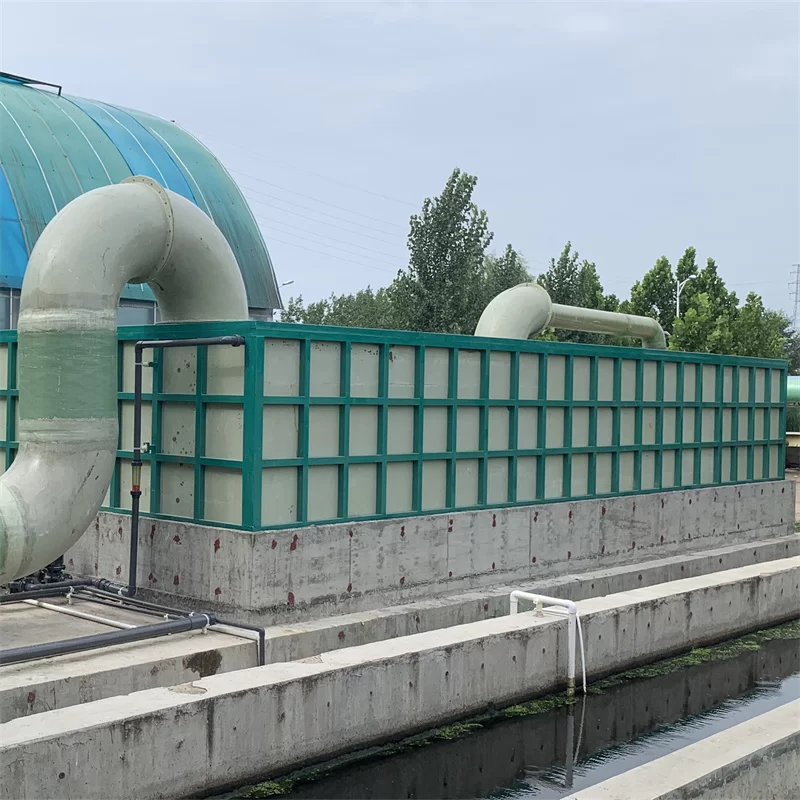
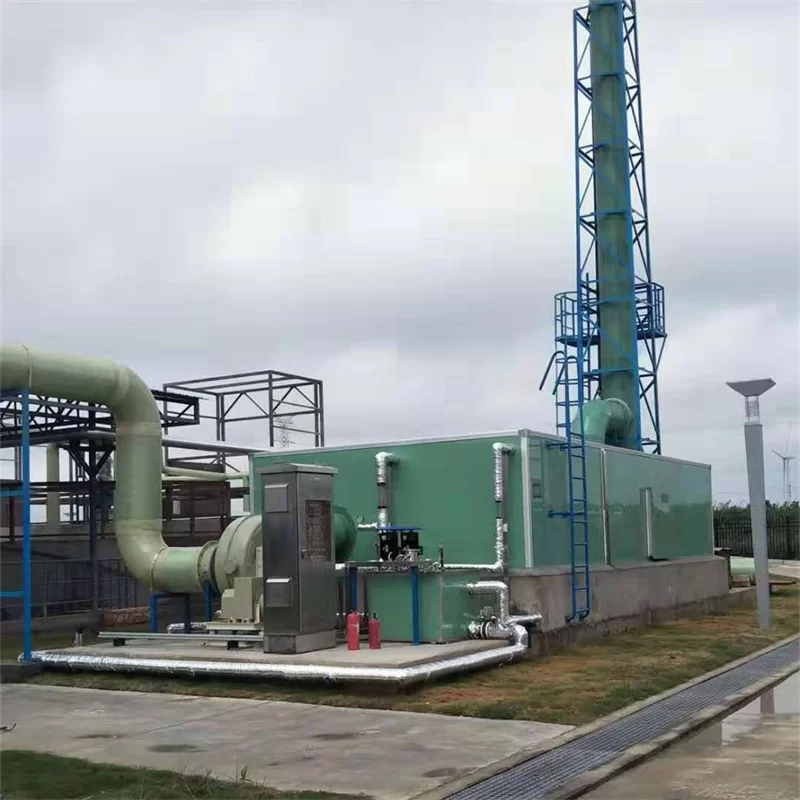
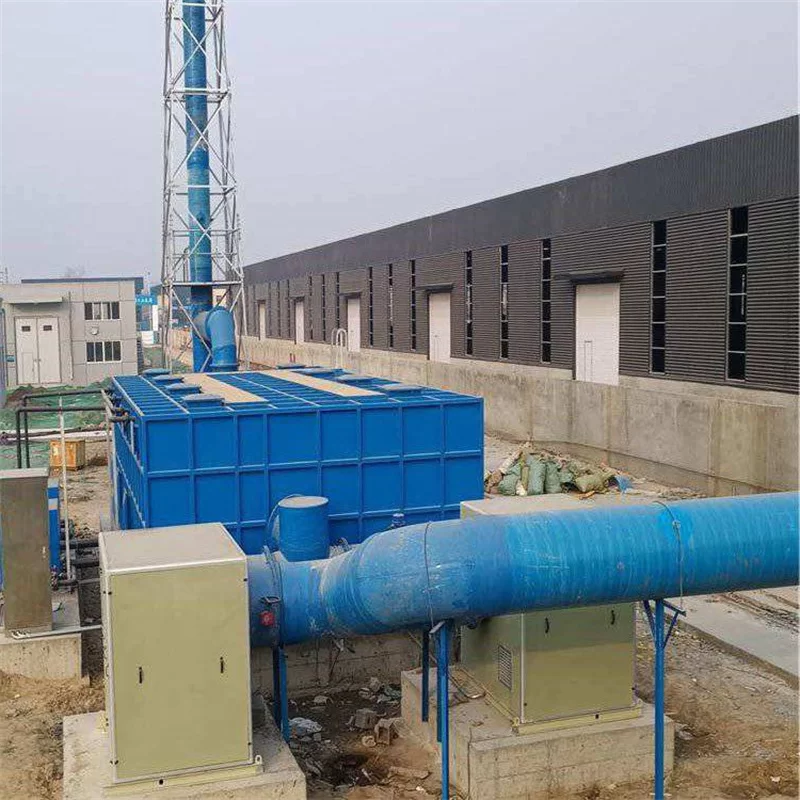
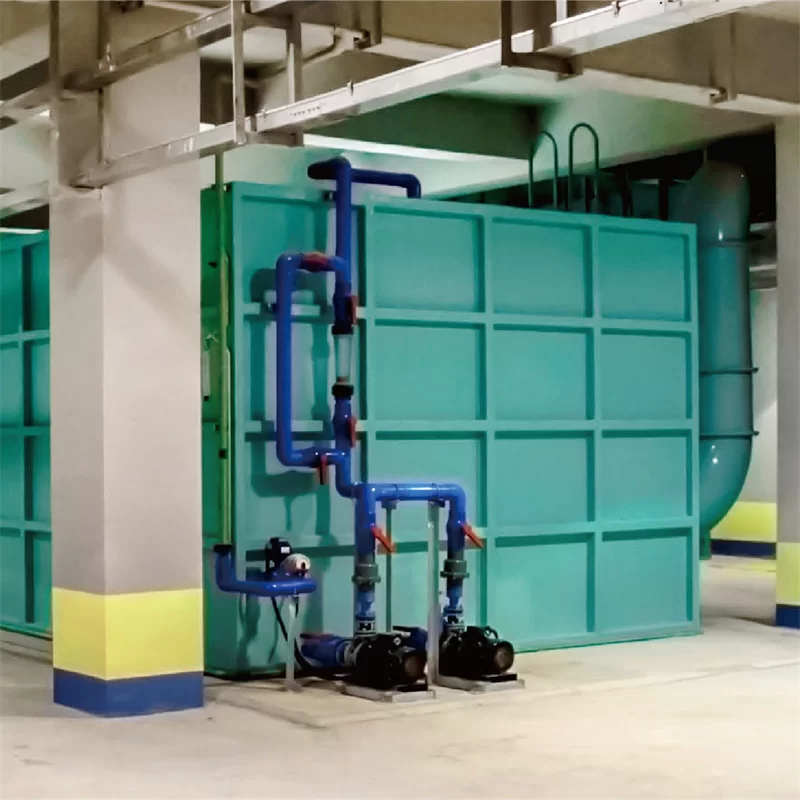
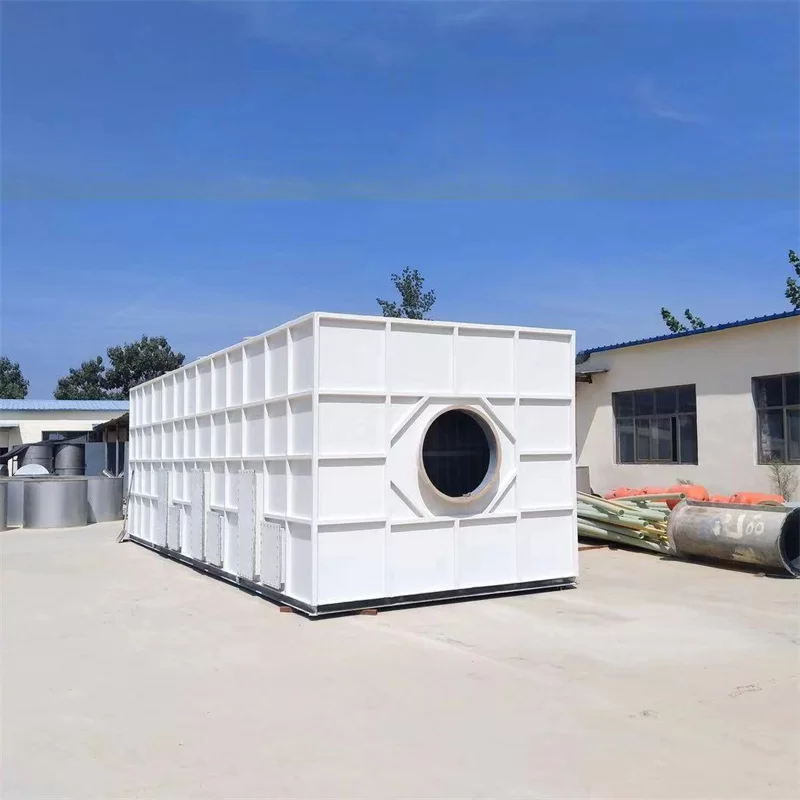
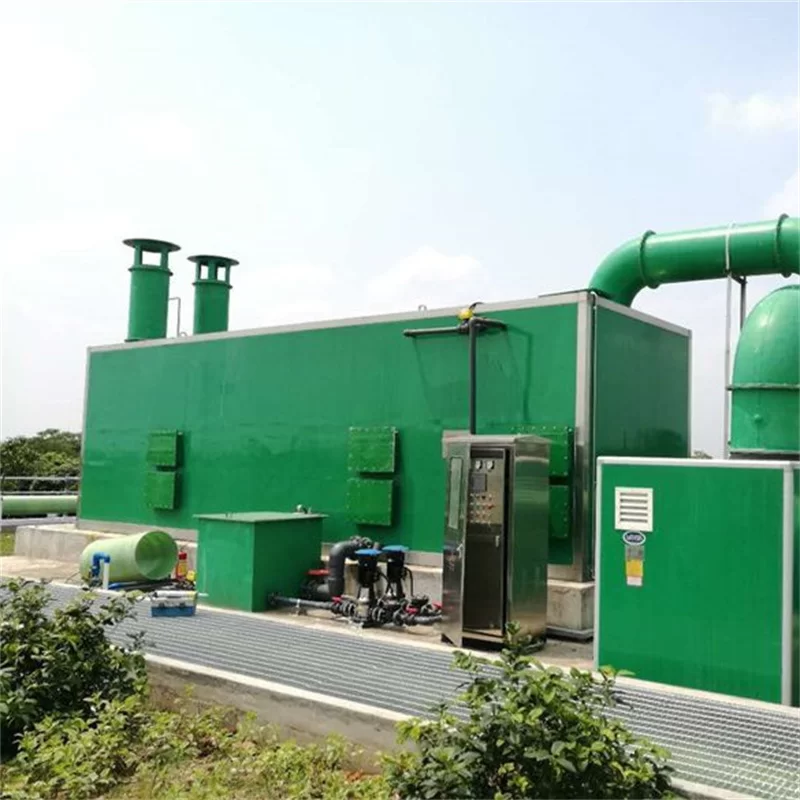
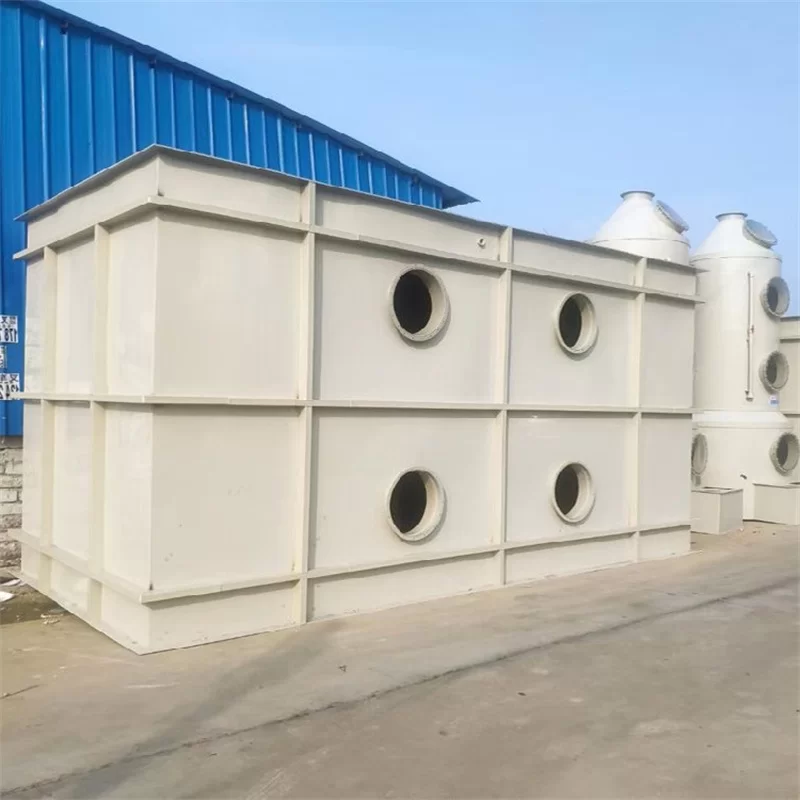
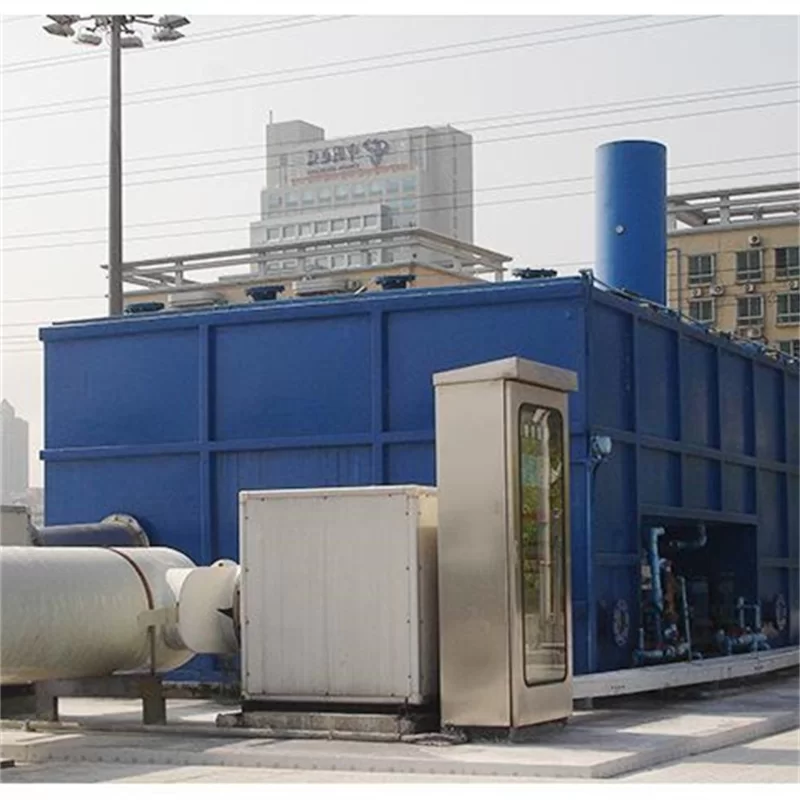
The FRP Deodorization Box is a high-performance environmental engineering solution designed to capture and neutralize hazardous and odorous gases such as hydrogen sulfide (H₂S), ammonia (NH₃), and volatile organic compounds (VOCs). Unlike traditional metal chambers that succumb to rapid corrosion in wastewater and industrial settings, our Fiber Reinforced Polymer (FRP) boxes leverage advanced composite technology to provide an impermeable, corrosion-resistant barrier that ensures long-term operational stability and environmental safety.
Engineered for versatility, these deodorization units can be seamlessly integrated with biological filtration, activated carbon adsorption, or chemical scrubbing systems. By utilizing premium resin systems like vinyl ester and isophthalic polyester, our FRP boxes deliver a superior strength-to-weight ratio, reducing installation complexity while maximizing the containment of toxic vapors, making them the ideal choice for municipal treatment plants and heavy industrial emission control.
Detailed Parameters
| Material Base | Premium FRP (Fiberglass Reinforced Polymer) | Resin Options | Vinyl Ester / Isophthalic Polyester |
|---|---|---|---|
| Chemical Resistance | Acids, Alkalis, H₂S, NH₃, VOCs | Structural Design | Modular / Customizable Panel Construction |
| Surface Protection | UV-Resistant Gel Coat (Outdoor Optional) | Sealing System | Reinforced Joints with Industrial Gaskets |
| Service Life | 20+ Years (Standard Conditions) | Maintenance Level | Low-Maintenance Smooth Surfaces |
| Integration | Bio-filters, Carbon Units, Scrubbers | Safety Rating | Fire-Retardant Options Available |
Key Advantages
Ultimate Corrosion Resistance
Engineered to withstand extreme chemical attack and humid environments without rusting or oxidizing, unlike traditional steel.
Extended Lifecycle
Provides a service life exceeding 20 years, significantly reducing the frequency of equipment replacement and capital expenditure.
High Strength-to-Weight
Lightweight composite structure reduces foundation load and simplifies transportation and on-site installation.
Modular Customization
Fully adjustable airflow capacity, retention times, and multi-stage filtration configurations to meet specific gas profiles.
Leak-Proof Sealing
Reinforced joints and specialized gasket systems prevent gas leakage, ensuring maximum odor containment efficiency.
Environmental Compliance
Helps facilities meet strict emission standards and reduce community complaints regarding industrial odor.
Product Gallery
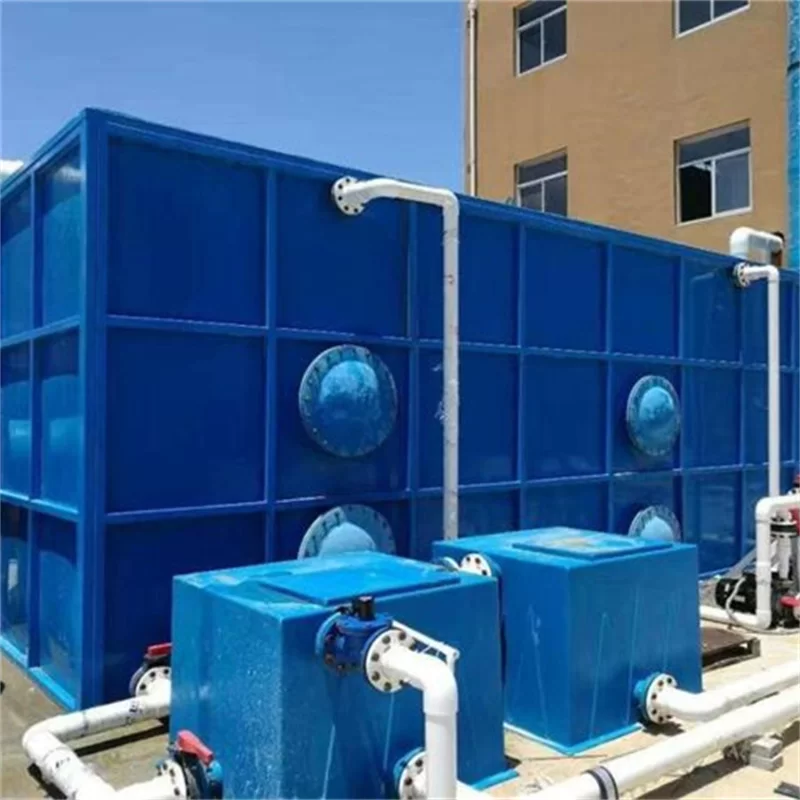
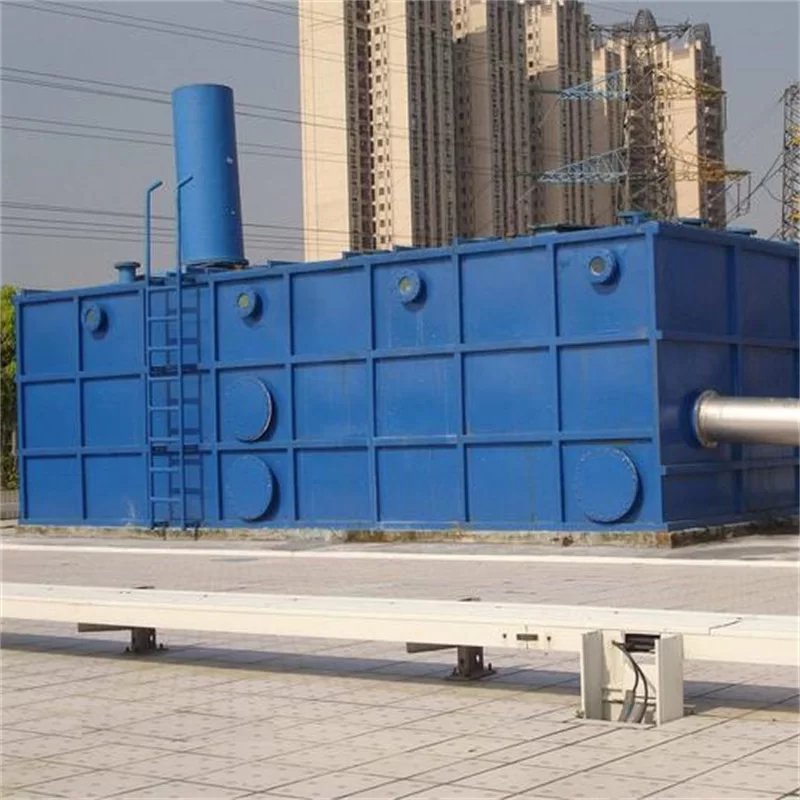
Management Platforms
Custom Engineering
Precise evaluation of airflow volume and gas concentration to design optimal structural dimensions.
Material Selection
Matching resin systems (Vinyl Ester/Polyester) to the specific chemical compatibility of your site.
Safety Integration
Implementation of fire-retardant resins and explosion-proof configurations for hazardous zones.
Quality Assurance
Strict inspection of joint sealing and wall thickness to ensure zero-leakage performance.
Modular Expansion
Flexible panel construction allowing for future capacity upgrades without total system replacement.
Operational Support
Low-maintenance surface design reducing cleaning cycles and overall operational expenditure.
Investment Return Comparison
| Comparison Metric | Traditional Steel Box | FRP Deodorization Box |
|---|---|---|
| Corrosion Resistance | Low (Prone to rust) | Excellent (Chemical Inert) |
| Installation Cost | High (Heavy Weight) | Low (Lightweight) |
| Maintenance Frequency | High (Painting/Repairs) | Very Low (Self-Cleaning) |
| Operational Lifespan | 5-10 Years | 20+ Years |
| Total Life-Cycle Cost | Expensive | Highly Cost-Effective |
Frequently Asked Questions
Q: Why is FRP preferred over stainless steel for deodorization boxes?
FRP is naturally immune to the corrosive effects of hydrogen sulfide and acidic vapors, which can eventually penetrate even high-grade stainless steel. This results in a significantly longer lifespan and zero rust issues.
Q: Can these boxes be used for outdoor installations?
Yes, we apply a specialized UV-resistant gel layer to the external surface of outdoor units, protecting the composite structure from sunlight degradation and environmental weathering.
Q: What treatment media can be integrated into the FRP box?
Our boxes are designed for flexible integration with bio-filtration media, activated carbon, chemical scrubbers, and multi-stage hybrid filtration systems tailored to your gas composition.
Q: How does the modular design benefit future upgrades?
The modular panel construction allows operators to add additional sections or change filtration stages as plant capacity increases, without needing to replace the entire housing.
Q: Are there fire-retardant options available for industrial sites?
Absolutely. We offer specialized fire-retardant resin systems to ensure the equipment meets the strict safety and building codes of pharmaceutical and chemical plants.
Q: What is the expected maintenance for an FRP deodorization system?
Maintenance is minimal compared to metal systems. It primarily involves monitoring the treatment media (e.g., replacing carbon) and periodic cleaning of the smooth FRP surfaces.
Ready to Eliminate Industrial Odors with FRP Technology?
Contact UsMore from this supplier
Hebei Zhongtian Composite Materials Group Co., Ltd.


