
Image not available

Chemicals
SLES 70 Sodium Lauryl Ether Sulfate Factory Leading China Suppliers
High-quality SLES 70 from a trusted China factory. Our SLES 70 is biodegradable, hard water resistant, and gentle on skin. As premier suppliers, we provide superior foaming and emulsifying agents for detergents, shampoos, and industrial cleaners.
SupplierShandong Jiuzhou chemical Co., Ltd.www.sdjz-chem.com
Source categories
About this product
Product information from the supplier.
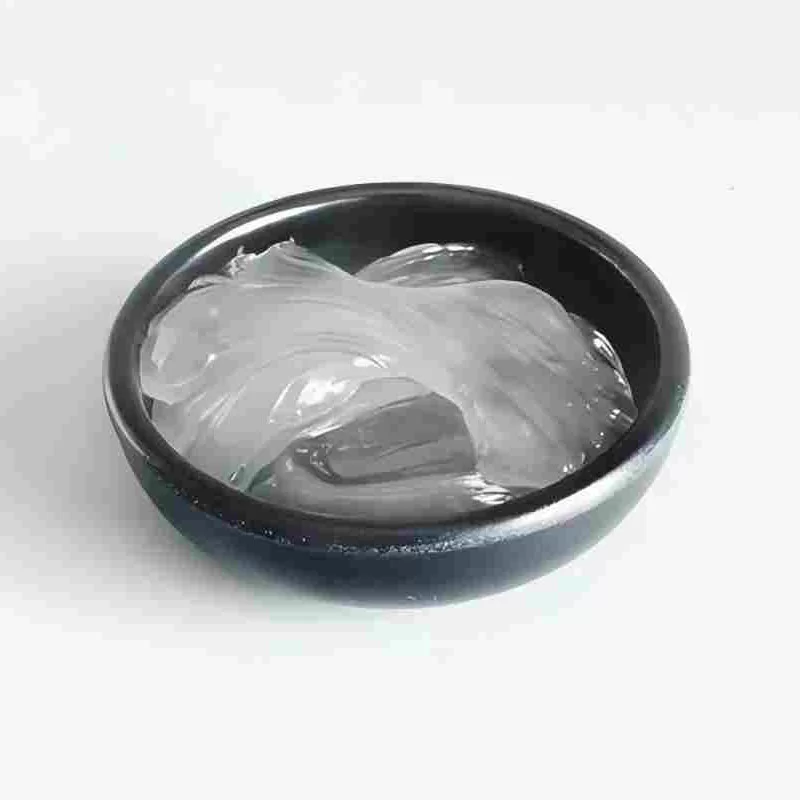
Sodium Lauryl Ether Sulfate (SLES 70%) is a high-performance anionic surfactant renowned for its exceptional cleaning, emulsifying, and foaming properties. As a versatile chemical agent with high biodegradability and low irritation to the skin and eyes, SLES serves as a critical component in the formulation of personal care and industrial cleaning products, ensuring superior solubility and stability even in hard water environments.
Produced through the ethoxylation of dodecyl alcohol derived from palm kernel or coconut oil, our SLES 70% provides a concentrated, viscous paste that is compatible with a wide range of surfactants. It is an essential choice for manufacturers seeking to optimize the balance between powerful degreasing capabilities and gentle skin compatibility in their final product offerings.
Detailed Parameters
| Active Matter % | ≥ 70% (Tested: 71.2%) | Appearance | White or Light Yellow Viscous Paste |
|---|---|---|---|
| Unsulphated Matter % | ≤ 2.5% (Tested: 1.6%) | pH Value | 7.0 - 9.5 (Tested: 9.2) |
| Sodium Sulphate % | ≤ 1.5% (Tested: 0.5%) | Color (5% Am.aq.sol.) | Klett ≤ 20 (Tested: 3) |
| 1,4-Dioxane (ppm) | ≤ 50 ppm (Tested: 17) | Odor | No Strange Odors |
| Product Grade | Industrial Grade 70% | Base Material | Palm Kernel / Coconut Oil |
Key Advantages
Gentle Formulation
Engineered for low irritation to the skin and eyes, making it ideal for baby shampoos and facial cleansers.
High Biodegradability
Eco-friendly chemical structure that breaks down naturally, reducing environmental impact in wastewater.
Hard Water Resistance
Maintains excellent foaming and cleaning efficiency even in regions with high mineral water content.
Wide Compatibility
Easily blends with other surfactants and additives to create stable, high-quality chemical emulsions.
Superior Foaming
Produces a rich, dense lather that enhances the user experience in soaps and bubble baths.
Cost Efficiency
Replacing LAS with SLES can reduce phosphate requirements and lower overall active matter dosage.
Product Gallery


Management Platforms
Quality Control
Rigorous batch testing for active matter and purity to ensure consistent industrial performance.
Supply Chain
Optimized sourcing of coconut and palm oil derivatives for sustainable production cycles.
Compliance
Strict adherence to global chemical safety standards and environmental regulations.
Technical Support
Expert guidance on SLES concentration and blending for various detergent applications.
Logistics
Professional drum packaging and moisture-proof shipping to prevent product degradation.
R&D Innovation
Continuous improvement of ethoxylation processes to reduce 1,4-Dioxane levels.
Investment Return Comparison
| Performance Metric | Standard LAS | Premium SLES 70% |
|---|---|---|
| Skin Irritation | Moderate/High | Low/Gentle |
| Hard Water Stability | Low | Excellent |
| Biodegradability | Average | Very High |
| Phosphate Need | High | Reduced/Low |
| Foaming Density | Standard | Superior/Creamy |
Frequently Asked Questions
Q: What are the primary applications of SLES 70% in the detergent industry?
SLES 70% is widely used in liquid detergents including dishwashing liquids, shampoos, bubble baths, and hand cleaners due to its excellent foaming and solvency.
Q: How does SLES 70% compare to LAS in washing powder formulations?
Using SLES to replace Linear Alkylbenzene Sulfonate (LAS) can save or reduce the need for phosphates and often reduces the overall required dosage of active matter.
Q: Is SLES 70% suitable for industrial textile and leather processing?
Yes, beyond detergents, it is used in textile, printing, dyeing, and leather industries as a lubricant, dyeing agent, cleaner, and degreasing agent.
Q: What is the significance of the "70%" in SLES 70%?
The 70% refers to the active matter concentration, meaning it is a concentrated paste that reduces shipping costs and storage space compared to diluted versions.
Q: How is SLES 70% produced to ensure sustainability?
Our SLES is produced via the ethoxylation of dodecyl alcohol, which is industrially prepared from renewable resources like palm kernel oil or coconut oil.
Q: What is the shelf life and storage requirement for this chemical?
Typically, the product has a shelf life of 2 years (as seen in our batch data). It should be stored in a cool, dry place in original sealed drums.
Get a Professional Quote for SLES 70% Detergent Chemicals
Contact UsMore from this supplier
Shandong Jiuzhou chemical Co., Ltd.


