
Image not available

Chemicals
Premium Sodium Silicate Na2SiO3 Water Glass China Suppliers Factory
High-quality Sodium Silicate from a leading China factory. Trusted suppliers providing premium water glass for detergent, construction, casting, and silicone manufacturing. Features strong adhesion, heat resistance, and acid resistance for diverse industrial applications.
SupplierShandong Jiuzhou chemical Co., Ltd.www.sdjz-chem.com
Source categories
About this product
Product information from the supplier.
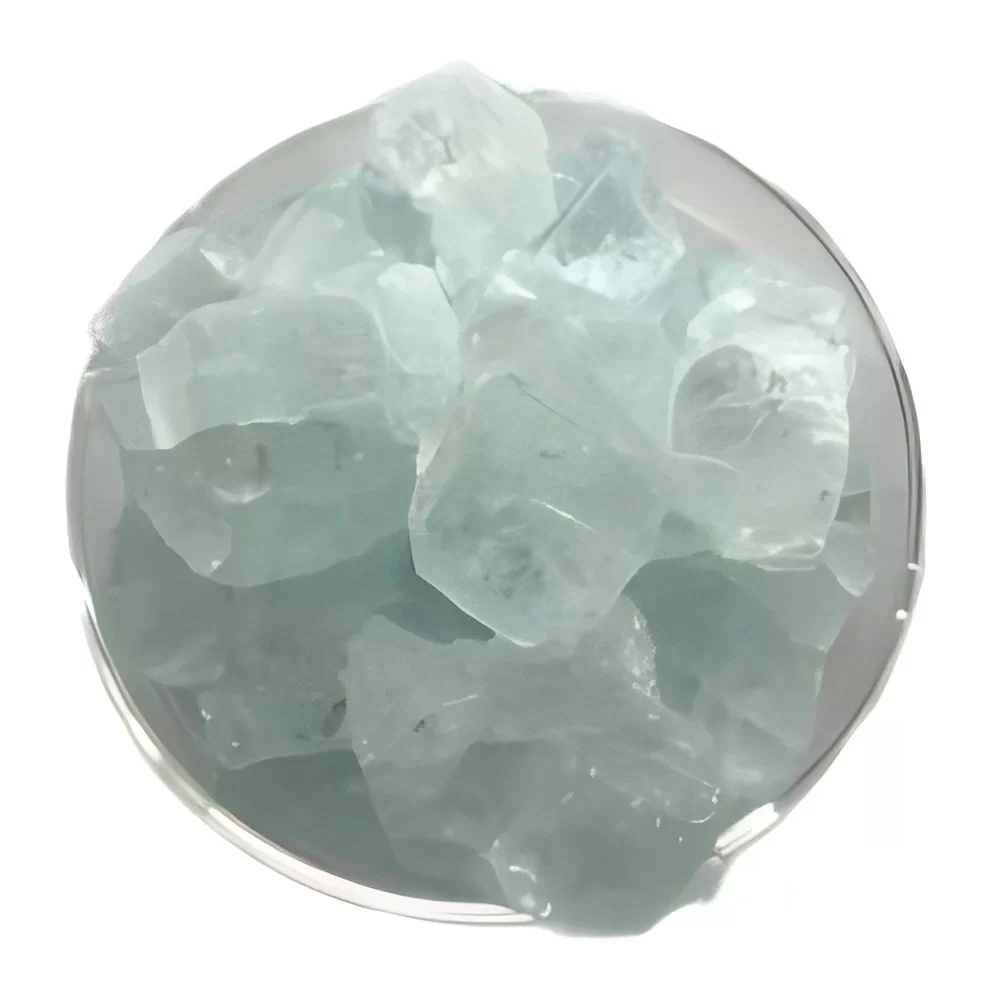
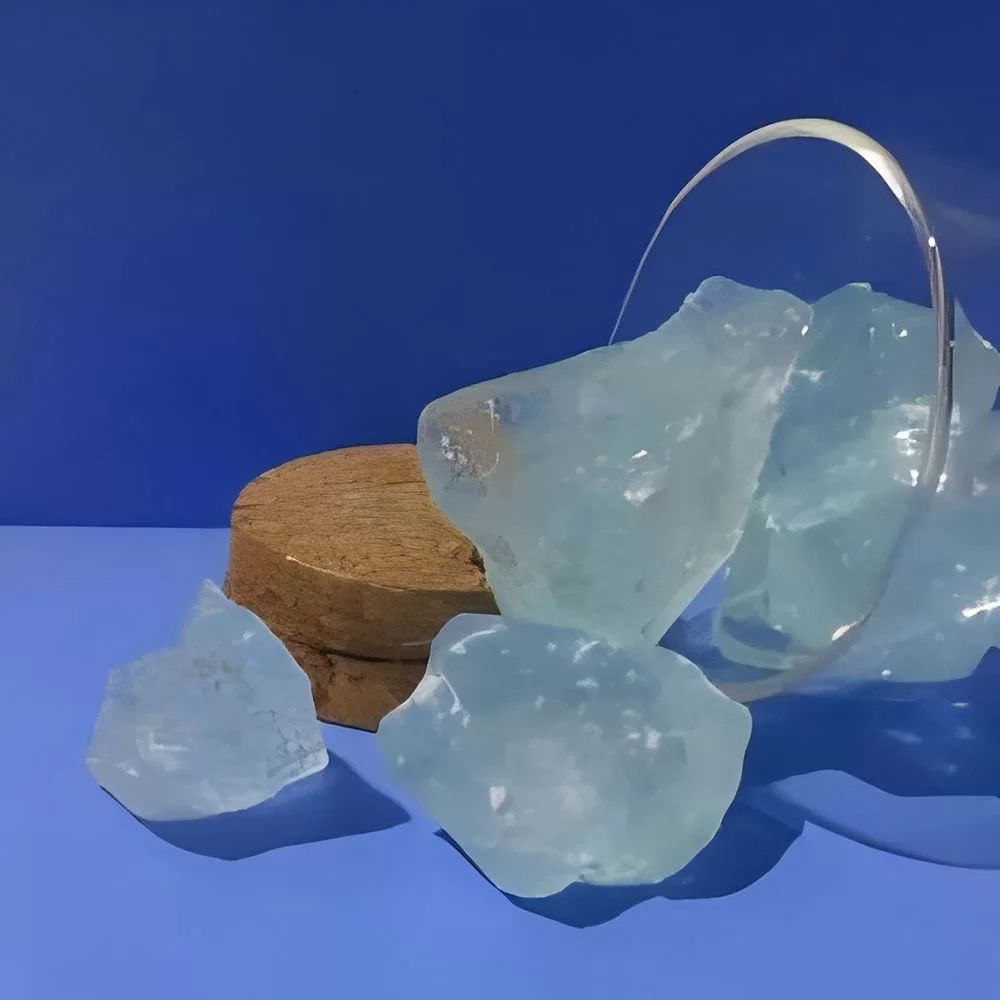
Sodium Silicate (Na2SiO3), widely recognized as water glass or pyrophorine, is a premium colorless, transparent viscous solid essential for diverse industrial applications. As a powerful mineral binder, it serves as a critical chemical intermediate, offering exceptional stability and versatility in aqueous solutions, which are defined by the specific mole ratio of silicon dioxide to alkali metal oxide.
Engineered for high-performance industrial use, our Sodium Silicate is a primary raw material indispensable for the production of rubber silicone, hydrated silica, and catalysts. From advanced construction materials to precision mineral floating selection, this chemical agent provides the necessary structural integrity and chemical reactivity required for high-standard manufacturing processes.
Detailed Parameters
| Na2O Content (%) | 18.5% - 29.0% (Depending on Type) | SiO2 Content (%) | 49.0% - 66.5% (Depending on Type) |
|---|---|---|---|
| Modulus Range | 2.00 ± 0.10 to 3.30 ± 0.05 | Dissolving Velocity (30°C) | 60 max to 240 max seconds |
| Bulk Density (g/ml) | 0.30 - 0.80 | Particle Size (120 mesh) | 95% min pass rate |
| Chemical Formula | R2O·nSiO2 / Na2SiO3 | Physical Form | Colorless Viscous Solid / Liquid |
| Common Name | Water Glass / Pyrophorine | Purity Grade | Industrial Grade |
Key Advantages
Superior Binding
Acts as a high-strength mineral binder, ensuring structural durability in construction and casting.
Rapid Dissolution
Optimized dissolving velocity across multiple grades to suit varied production timelines.
High Purity
Strict control of Na2O and SiO2 ratios for consistent chemical performance in sensitive reactions.
Versatile Utility
Multi-industry applicability from detergent formulations to textile and paper manufacturing.
Precision Grading
Available in five distinct types to match exact modulus and density requirements.
Industrial Stability
Excellent thermal and chemical stability, ideal for catalyst carriers and anti-corrosion coatings.
Product Gallery


Management Platforms
Quality Control
Rigorous testing of Na2O and SiO2 ratios to ensure batch-to-batch consistency.
Process Optimization
Advanced manufacturing workflows to achieve precise modulus specifications.
Supply Chain Safety
Secure logistics and specialized packaging for moisture-sensitive chemical products.
Regulatory Compliance
Full adherence to international industrial standards for inorganic salt manufacturing.
Inventory Logistics
Optimized warehousing to maintain the chemical integrity of viscous solids.
Technical Support
Expert guidance on selecting the correct Sodium Silicate type for your specific application.
Investment Return Comparison
| Performance Metric | Standard Grade | Premium Grade |
|---|---|---|
| Binding Efficiency | Moderate | High/Rapid |
| Chemical Stability | Stable | Ultra-Stable |
| Production Yield | Standard | Optimized |
| Waste Reduction | Low | High |
| Application Range | General | Specialized/Wide |
Frequently Asked Questions
Q: What is the primary difference between the various types of Sodium Silicate?
The primary differences lie in the Na2O and SiO2 percentages, which determine the "Modulus." A higher modulus typically increases stability and changes the viscosity and binding strength for specific industrial uses.
Q: How is Sodium Silicate used in the detergent industry?
In detergents, it acts as a buffering agent and corrosion inhibitor, preventing the corrosion of washing machine parts while enhancing the cleaning efficiency of the soap.
Q: Can this product be used for mineral processing?
Yes, it is widely used as a mineral floating select agent and a depressant in the flotation process to separate valuable minerals from gangue.
Q: What is the role of Sodium Silicate in construction materials?
It serves as a powerful mineral binder and is used in soil stabilization, concrete hardening, and as a fire-resistant coating agent.
Q: Is it used as a raw material for other chemicals?
Absolutely. It is the primary raw material for producing rubber silicone, silicon aluminum rubber, hydrated silica, and various catalyst carriers.
Q: How should Sodium Silicate be stored to maintain its quality?
It should be stored in a cool, dry, and well-ventilated warehouse, away from acids and moisture, using airtight containers to prevent carbonation.
Ready to Optimize Your Industrial Production with Premium Sodium Silicate?
Contact UsMore from this supplier
Shandong Jiuzhou chemical Co., Ltd.


