Image not available
Metals & minerals
Industrial Grade Talcum Powder High Whiteness Talc Powder 1250mesh For Coating, Rubber, Ceramics, Plastic
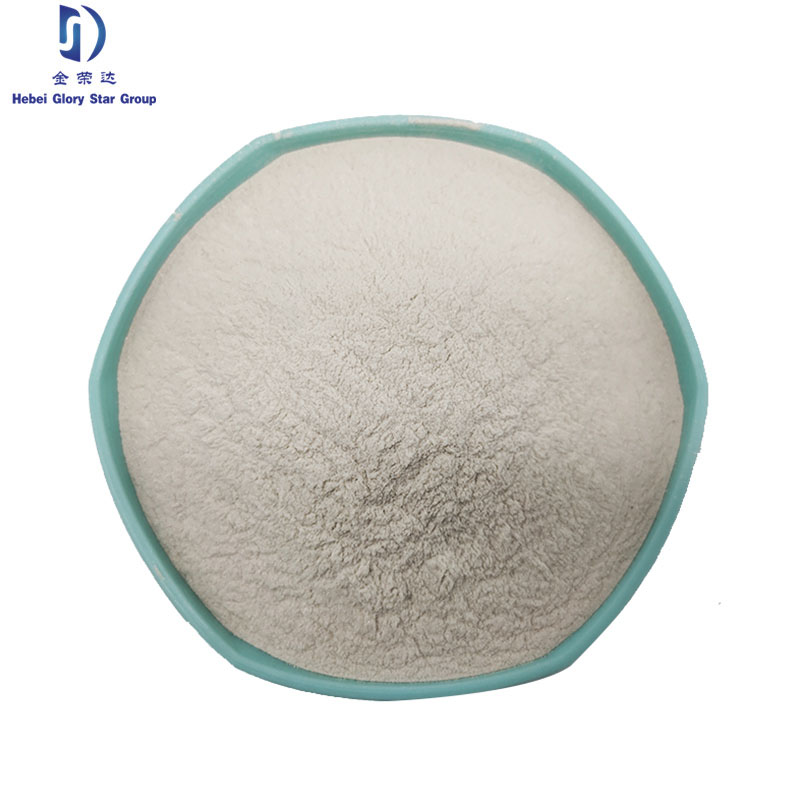
Talcum powder is made by grinding talc with Raymond mill and other high pressure touch.Whitness: 85-96%.Talc has excellent physical and chemical properties: such as lubricity, anti-viscosity, flow aid, fire resistance, acid resistance, insulation, high melting point, chemical inactivity, good hiding power, softness, good luster, strong absorption and so on.
SupplierHebei Junlan Packaging Technology Co., LTD.www.glorystarexport.com
Source categories
About this product
Product information from the supplier.
Unique Properties

Product Description
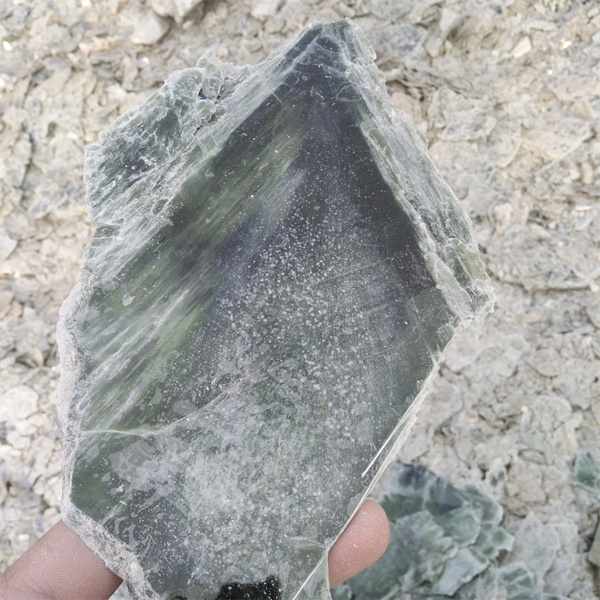
The main component of talc is magnesium silicate with water content of talc, and its molecular formula is Mg3[Si4O10](OH)2. Talc belongs to monoclinic system. The crystal is pseudohexagonal or rhombic, occasionally seen. They are usually compact, massive, leaflike, radial and fibrous aggregates. It is colorless, transparent or white, but it is light green, yellow, brown or even light red due to a small amount of impurities; the cleavage surface is pearl luster. Hardness 1, specific gravity 2.7-2.8.
Characteristic
Talcum powder has excellent physical and chemical properties, such as lubricity, fire resistance, acid resistance, insulation, high melting point, chemical inactivity, good covering power, softness, good luster, strong adsorption, etc. Because the crystal structure of talc is layered, it has the tendency to split into scales and special lubricity.
Certificate
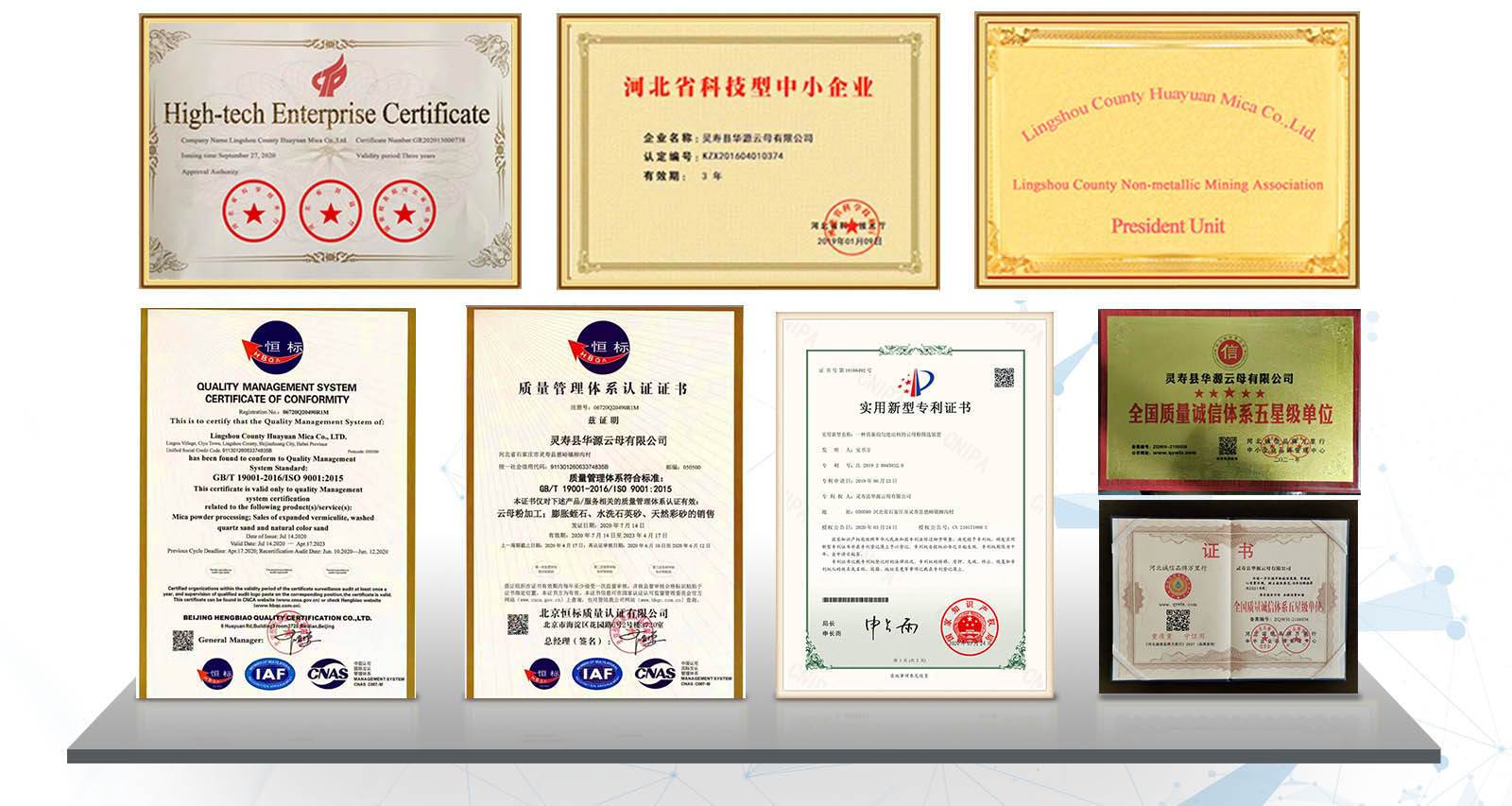
Our factories have achieved ISO Certificate, 23 technologies have obtained national patents.
Application
1. Chemical grade
It can used in rubber, plastic, paints and coatings and other chemical industries. As fillers, it can increase the stability of product shape, increase tensile strength, shear strength, winding strength, pressure strength, reduce deformation, elongation, thermal expansion coefficient, high whiteness, particle size uniformity and dispersion.
2. Ceramic grade
It can be used for making high frequency porcelain, wireless electric porcelain, various industrial ceramics, architectural ceramics, daily-use ceramics and ceramic glazes, etc.
3. Cosmetics grade
It is a good filler for the cosmetic industry. Contains a large amount of silicon. It has the function of blocking infrared ray, so it enhances the performance of sunscreen and anti-infrared ray of cosmetics.
4. Paper making grade
It can Used for all kinds of high and low grade paper industry products. Characteristics: paper making powder has the characteristics of high whiteness, stable granularity and low abrasion.
5. Medical food grade
Additive used in medicine and food industry. Features: non-toxic, tasteless, high white, good tolerance, strong gloss, soft taste,smooth features.
6. Super fine talcum powder
Used for high-grade paint coating, plastic, cable rubber, cosmetics, copper paper coating, textile lubricant etc.
TALC POWDER(Ceramics, Paper Making Grade) | ||||
Mesh | 200M | 325M | 500M | 800M |
Whiteness (%) | 85 | 88 | 90 | 95 |
SiO2 (%) | 58 | 59 | 60 | 61 |
MgO (%) | 28 | 29 | 30 | 31 |
CaCO3 (%) | 0.8 | 1 | 1 | 1.5 |
Al2O3 (%) | 3 | 2 | 2 | 1 |
Fe2O3 (%) | 1.5 | 0.8 | 0.5 | 0.3 |
Moisture (%) | ≤0.5 | ≤0.5 | ≤0.5 | ≤0.5 |
Loss of Ignition at 1000℃ (%) | 8 | 7 | 7 | 6 |
PH Value | 7~9 | 7~9 | 7~9 | 7~9 |


Plastic

Coatings

Rubber

Paints

Medicine

Ceramics

Paper making

Cosmetics
Specification
200mesh, 325mesh, 600mesh, 800mesh, 1250mesh, 2000mesh, 5000mesh, and 8000mesh.
Whiteness: from 85% to 96%.

500 mesh

800 mesh

1250 mesh

1600 mesh

2000 mesh

4000 mesh
Packaging
Commonly package is 25kg PP bag/paper bag, 500kg~1000kg jumbo bag. Also could customize as required.


Factory Tour


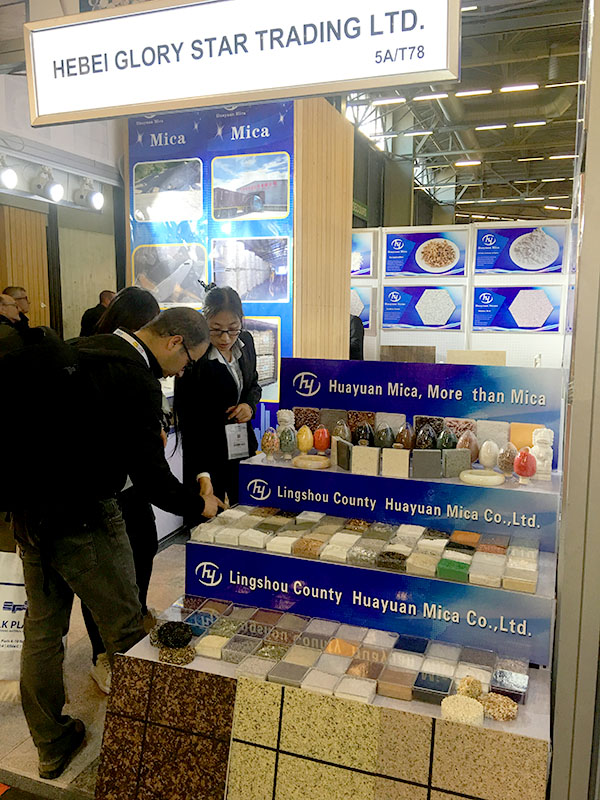
Customer Vist & Exhibition


Talcum Powder Industrial Use
Talcum powder, a mineral-based product derived from the softest mineral on Earth, is widely known for its various industrial uses, particularly in the manufacturing of coatings, rubber, ceramics, and plastics. Industrial-grade talcum powder is valued for its ability to improve the quality and performance of products across these industries. The fine, high-whiteness talc powder, particularly in 1250 mesh form, ensures a smooth, durable finish for a range of applications, making it an essential component in many manufacturing processes.
Talcum Powder in Coatings and Paints
In the coatings industry, talcum powder industrial use plays a crucial role in enhancing the texture and durability of paints and coatings. High-whiteness talc powder is used to improve the opacity and smoothness of paints, providing a high-quality finish that is both visually appealing and long-lasting. Its fine particles help to reduce the friction between surfaces, allowing for smoother application and better coverage. Additionally, talcum powder helps in increasing the paint’s resistance to abrasion, making it ideal for both indoor and outdoor applications. The addition of talcum powder to coatings also contributes to a more even finish, preventing imperfections and ensuring consistent color distribution across surfaces.
Rubber Manufacturing and Talcum Powder
Talcum powder is widely used in the rubber industry, especially in the production of rubber products that require a high level of performance and durability. The use of talcum powder industrial use in rubber manufacturing serves several purposes. It is often incorporated as a processing aid, reducing friction and preventing the rubber components from sticking together during production. In addition, the fine particles of talcum powder improve the processing characteristics of rubber, enhancing its smoothness and flexibility. Talc helps to improve the overall quality and consistency of the rubber, making it an ideal choice for manufacturers in need of high-quality rubber materials for automotive, industrial, and consumer products.
Applications in Ceramics and Plastics
Another important industrial use of talcum powder is in the ceramics and plastics industries. In ceramics, talcum powder is added to improve the texture, smoothness, and strength of the final product. Its high whiteness and fine particle size help to create a flawless surface that enhances the aesthetic and functional properties of ceramic items. Similarly, in the plastics industry, talcum powder is used as a filler to improve the physical properties of plastic products, such as their strength, rigidity, and resistance to heat and wear. The use of talcum powder in plastics also helps reduce production costs by enhancing the properties of the plastic without the need for expensive additives or additional processing steps.
In conclusion, talcum powder industrial use spans a wide variety of sectors, including coatings, rubber, ceramics, and plastics. Its versatility and ability to improve product quality make it an invaluable material for manufacturers in need of high-performance, durable solutions. Whether it’s creating smooth, high-quality finishes for coatings, improving the texture and flexibility of rubber, or enhancing the properties of ceramics and plastics, talcum powder remains a vital component in many industrial processes.
Difference Between Face Powder and Talcum Powder
Talcum powder, known for its versatility and various industrial and personal uses, is often confused with face powder. The two products, while both derived from talc, serve different purposes, especially when it comes to skincare and industrial applications. Talcum powder is primarily used for its moisture-absorbing properties, making it suitable for a wide range of uses, from body talcum powder to industrial-grade applications. On the other hand, face talcum powder is specifically formulated for the delicate skin of the face, often containing additional ingredients like antioxidants or SPF for skin protection.
Talcum Powder in Personal Care Products
Talcum powder is widely used in personal care products like body talcum powder, which is designed to keep the skin dry and prevent chafing. In the cosmetics industry, body talcum powder is favored for its ability to absorb excess moisture, leaving a soft, smooth feel on the skin. It is most commonly used in baby powders and other body care products. Talcum powder's industrial use extends beyond personal care, however. It is used in a variety of other products, including face talcum powder designed to be used on the face for its mattifying effects. The primary role of talcum powder in these products is to absorb sweat and reduce friction, ensuring comfort and dryness, especially in warm or humid conditions.
Industrial Talcum Powder: A High Whiteness Talc Powder for Coating, Rubber, and More
In industrial settings, high-quality talcum powder, such as the 1250 mesh talcum powder with high whiteness, is crucial in various manufacturing processes. This fine-grade talcum powder is often used in coatings, rubber production, ceramics, and plastics. Its purity and consistency make it ideal for creating smooth, durable coatings, enhancing the texture of rubber products, and improving the finish of ceramic and plastic items. Talcum powder industrial use in these sectors relies on its ability to improve the quality and performance of the end product, whether it’s creating a smoother surface or enhancing product durability.
Talcum Powder's Role in Industrial Applications
When used in industrial applications, talcum powder serves a critical function. It acts as a filler in the production of coatings, providing a smooth, glossy finish. In the rubber industry, talcum powder industrial use helps reduce friction, prevent sticking, and improve processing efficiency. In the plastics industry, it enhances the strength and flexibility of plastic materials. High whiteness talc, especially talcum powder of 1250 mesh, is often preferred for its ability to improve the overall quality and aesthetics of finished products. By incorporating high-purity talcum powder, manufacturers can achieve superior performance and consistency across various applications, from automotive parts to household items.
In conclusion, while face powder and talcum powder share the same base ingredient, their uses are distinct, particularly in personal care versus industrial contexts. Talcum powder’s versatility ensures its continued importance across multiple industries, from cosmetics to manufacturing.
More from this supplier
Hebei Junlan Packaging Technology Co., LTD.