
Image not available
Plastics & rubber
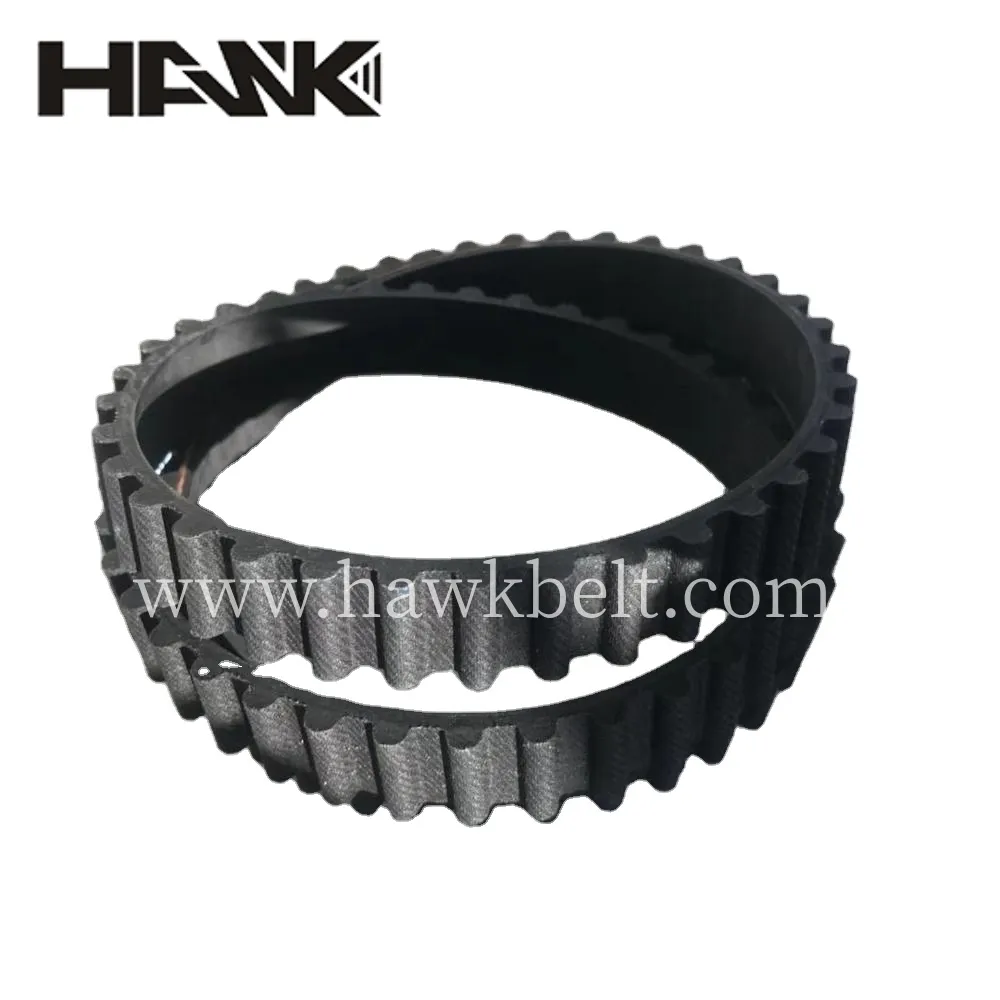
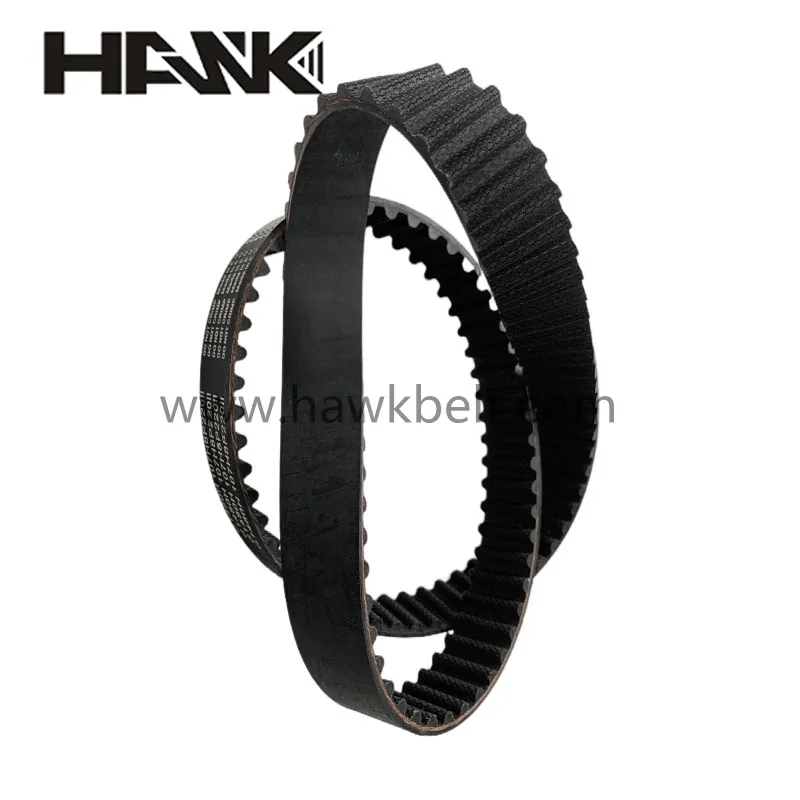
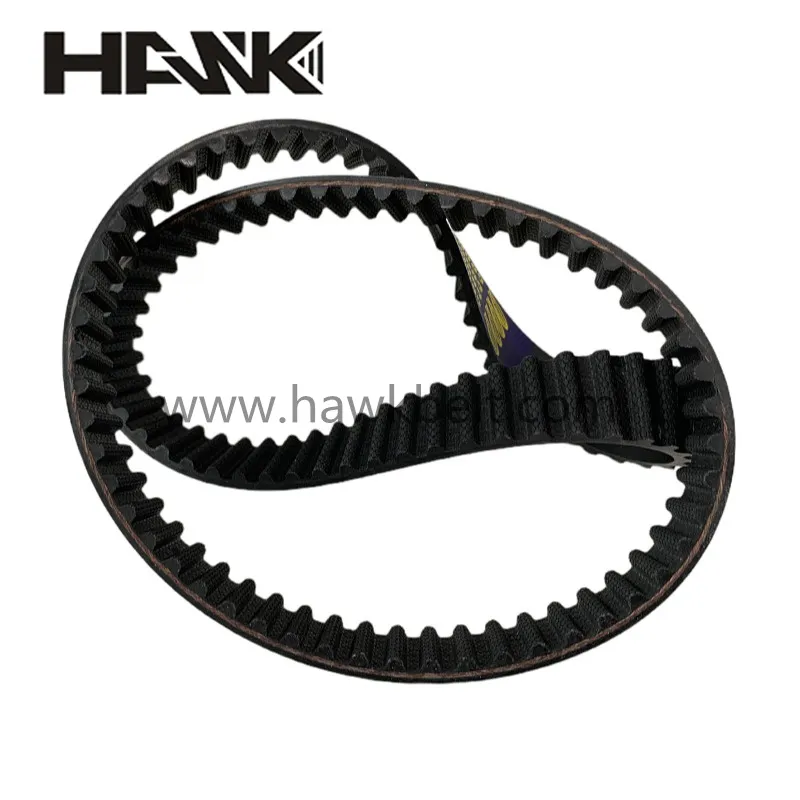
2431233040 243124X000 Auto Synchronous Belt 152RU30 China Factory Suppliers
High-quality 24312-33040 24312-4X000 Auto Synchronous Belt 152RU30 from leading China factory suppliers. Compatible with Toyota, Hyundai, Peugeot, Kia, and Mitsubishi. Made of CR/HNBR rubber, 152 teeth, 30mm width, 0.22kg. Precision engineered for optimal engine timing and durability.
SupplierXingtai Hake rubber and plastic products Co., LTDwww.hawkbelt.com
Source categories
About this product
Product information from the supplier.
The 24312-33040 / 24312-4X000 Auto Synchronous Belt (152RU30) is a precision-engineered rubber component designed to maintain the critical synchronization of your automobile engine. By acting as a high-strength bridge between the crankshaft and the camshaft, this timing belt ensures that the intake, compression, explosion, and exhaust cycles occur in perfect harmony with the piston's motion, preventing internal engine collisions and optimizing performance.
Manufactured from high-grade industrial rubber, our synchronous belts are built to withstand the rigorous thermal and mechanical stresses of modern combustion engines. Given the critical nature of timing systems, we provide a durable solution that reduces the risk of catastrophic valve damage. Regular replacement of this component is essential for maintaining engine longevity and operational safety across high-mileage vehicles.
Detailed Parameters
| Part Number | 24312-33040 / 24312-4X000 | Specification | 152RU30 |
|---|---|---|---|
| Product Category | Auto Synchronous Belt | Material | High-Performance Rubber Compound |
| Application | Automotive Engine Timing System | Function | Crankshaft to Camshaft Synchronization |
| Replacement Cycle | 60,000 - 100,000 KM | Recommended Change | Every 80,000 KM |
| Compatible Parts | Tensioners, Idlers, Water Pumps | Industry Standard | OEM Quality Specifications |
Key Advantages
Engine Protection
Prevents severe internal valve damage by ensuring precise timing between pistons and valves.
Optimal Longevity
Engineered for extended service life, typically maintaining peak performance up to 80,000 KM.
Precision Sync
High-accuracy tooth profile ensures zero slip during critical engine combustion cycles.
Heat Resistance
Advanced rubber formulation resists thermal degradation in high-temperature engine environments.
Wear Resistance
Specially treated surface reduces frictional wear and aging during continuous high-speed rotation.
OEM Fitment
Exact dimensional matching for seamless installation without modifying existing engine components.
Product Gallery
Management Platforms
Inventory Control
Real-time tracking of rubber belt stock levels to ensure rapid fulfillment.
Quality Assurance
Strict batch testing for rubber elasticity and tensile strength compliance.
Lifecycle Alerts
Systematic tracking of replacement cycles to notify clients of maintenance needs.
Logistics Tracking
Integrated shipping updates for global distribution of timing components.
OEM Integration
Direct mapping of part numbers to vehicle models for error-free ordering.
Technical Support
Expert guidance on installation and tensioning for synchronous belts.
Investment Return Comparison
| Metric | Standard Rubber Belt | High-Performance Sync Belt | Metal Chain Alternative |
|---|---|---|---|
| Initial Cost | Low | Moderate | High |
| Maintenance Frequency | Frequent | Scheduled (80k km) | Low |
| Risk of Failure | Moderate | Low (Predictable) | Very Low |
| Engine Noise Level | Quiet | Quiet | Moderate/Loud |
| Replacement Urgency | High (Avoid Break) | Predictive/Scheduled | Long-term |
Frequently Asked Questions
Q: What happens if the timing belt breaks while driving?
A break in the timing belt causes the synchronization between the crankshaft and camshaft to fail, which can lead to pistons hitting the internal valves, resulting in severe and costly engine damage.
Q: When is the best time to replace a rubber timing belt?
While cycles vary by vehicle, most manufacturers recommend replacement between 60,000 and 100,000 km. We generally recommend a preventive change at 80,000 km to avoid sudden failure.
Q: Should I replace other parts when changing the timing belt?
Yes, it is highly recommended to replace the timing belt tensioner, idler pulleys, and the water pump simultaneously, as these parts share a similar wear cycle.
Q: Why choose a rubber belt over a metal chain?
Rubber belts are generally quieter and more cost-effective for initial manufacturing, though they require periodic replacement unlike permanent metal chains.
Q: How do I know if my timing belt is wearing out?
Visible signs include cracking, fraying, or glazing on the belt surface. However, since they are often hidden, adhering to the mileage-based replacement interval is the safest method.
Q: Does the rubber material affect engine efficiency?
Our high-grade rubber is designed for minimal stretch and maximum grip, ensuring the engine's timing remains precise, which is critical for fuel efficiency and power output.
Get an Expert Quote for Your Rubber Timing Belt Needs
Contact UsMore from this supplier
Xingtai Hake rubber and plastic products Co., LTD