Image not available
Other industries
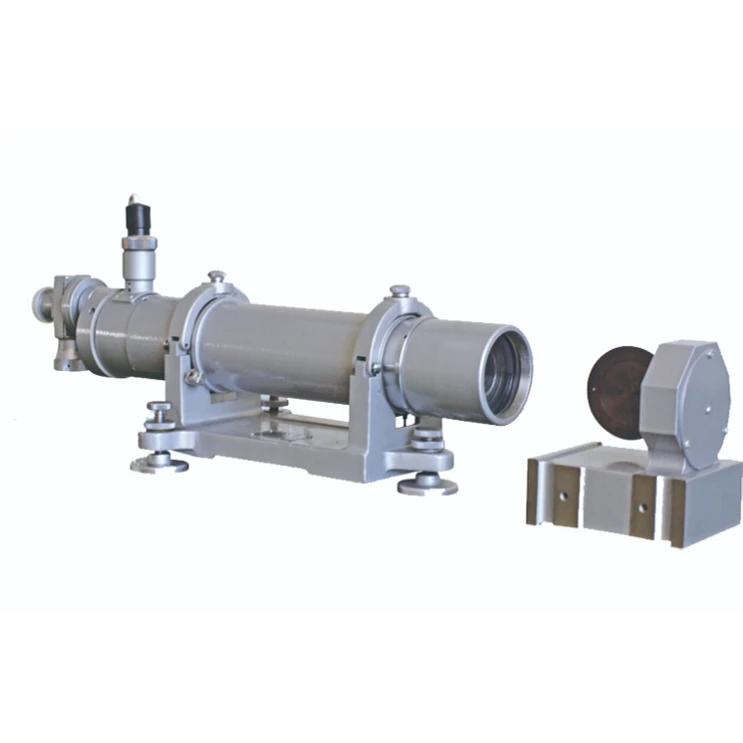
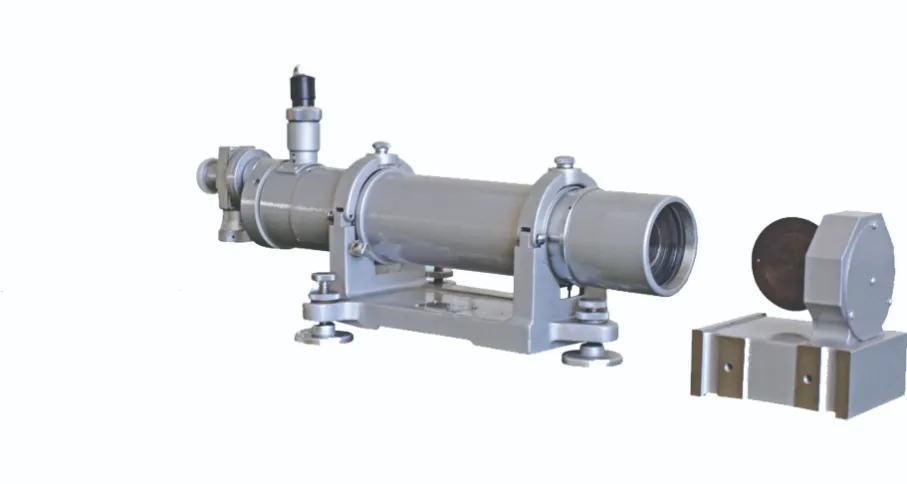
Collimator
The high-precision collimators developed by the suppliers within our supply chain ecosystem are mainly used for the debugging and calibration of optical instruments such as microscopes, telescopes, and projectors, transforming light into parallel beam flows to facilitate experimentation, debugging, and observation. These suppliers have rich experience in developing collimators of different aperture sizes, focal leng…
SupplierAstralink Science and Technology Co., Ltd.www.space-navi.com
Source categories
About this product
Product information from the supplier.
Products Detail
Product Code | F5000 | F16000 |
Focal Length | 5m | 16m |
Aperture | Φ 400mm | ϕ 800mm |
Full Field of View | 0.3° | 0.1° |
Supply Cycle | 4 months | 8 months |
A collimator is an optical device used to narrow or focus a beam of light, particles, or radiation into a parallel or converging configuration.It is widely used in a variety of fields, including optics, radiology, astronomy, and particle physics. The collimator typically consists of a set of optical lenses or mirrors, designed to eliminate angular divergence of a light beam, ensuring that the light or radiation remains parallel as it travels over long distances.
In the context of medical imaging and radiation therapy, collimators are used to shape and direct beams of X-rays or radiation, ensuring they focus precisely on the target area while minimizing exposure to surrounding healthy tissues. In astronomy, collimators help align telescopes and optical instruments to achieve sharp, focused images of distant celestial objects.
A precision collimator ensures the alignment of instruments and components, improving accuracy and reducing errors in measurements. The main advantage of collimators is their ability to provide high accuracy in beam alignment and focus control, which is critical in applications such as laser targeting, optical testing, and imaging systems. Additionally, they offer adjustable settings for fine-tuning beam properties, making them versatile for various technical and scientific applications.
More from this supplier
Astralink Science and Technology Co., Ltd.