
Image not available

Non-metallic minerals
Premium Industrial Light Calcium Carbonate China Factory and Suppliers
Looking for a reliable China factory for Light Calcium Carbonate? As leading suppliers, we provide high purity PCC with superior whiteness and dispersibility, ideal for plastics, rubber, and coatings to enhance rigidity and reduce costs.
SupplierShijiazhuang Fengersheng Mining Co., Ltd.www.fesmining.com
Source categories
About this product
Product information from the supplier.
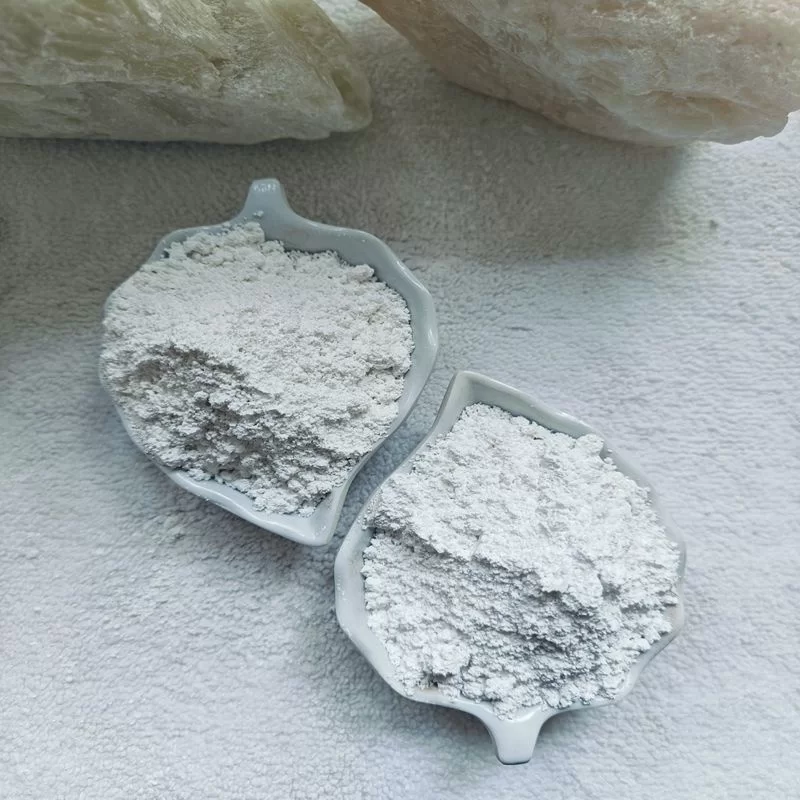
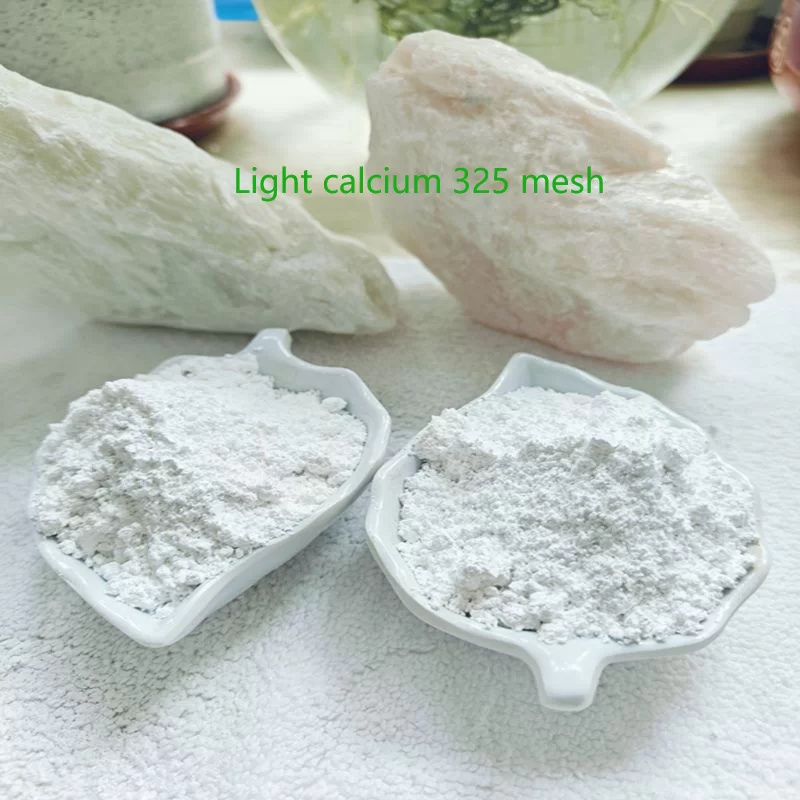
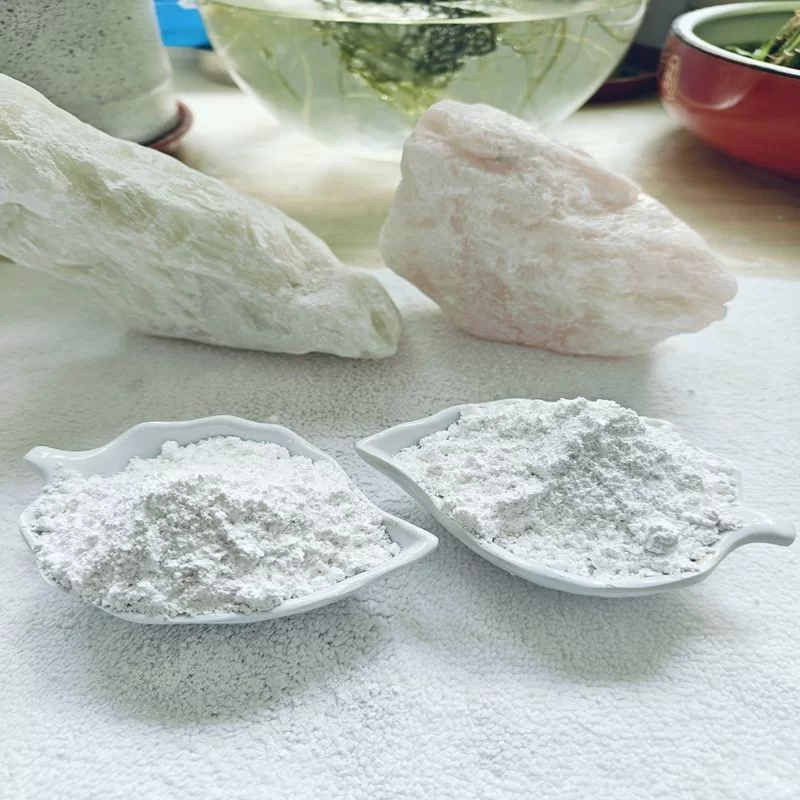
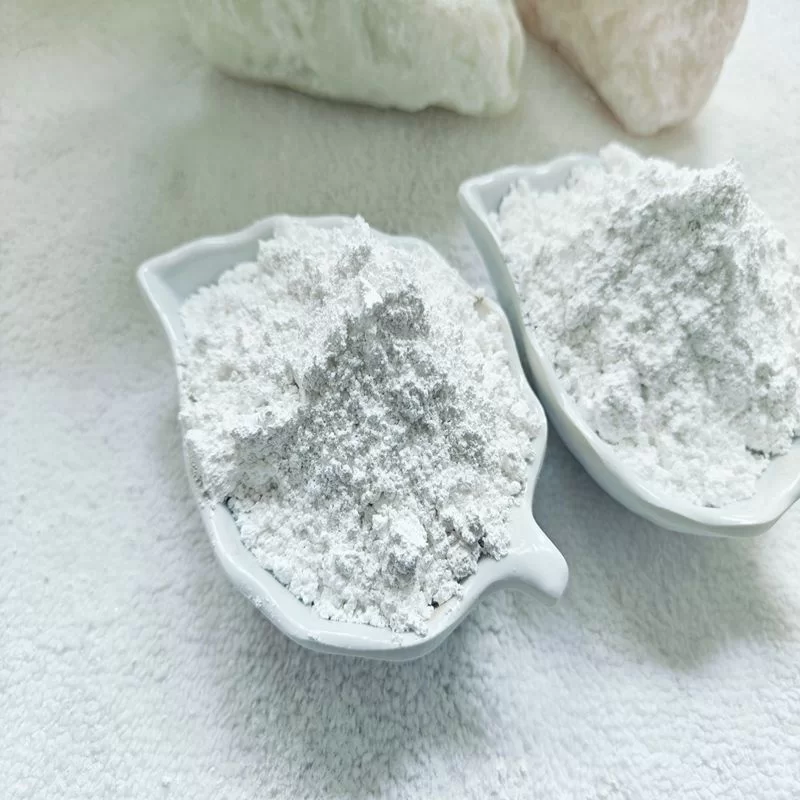
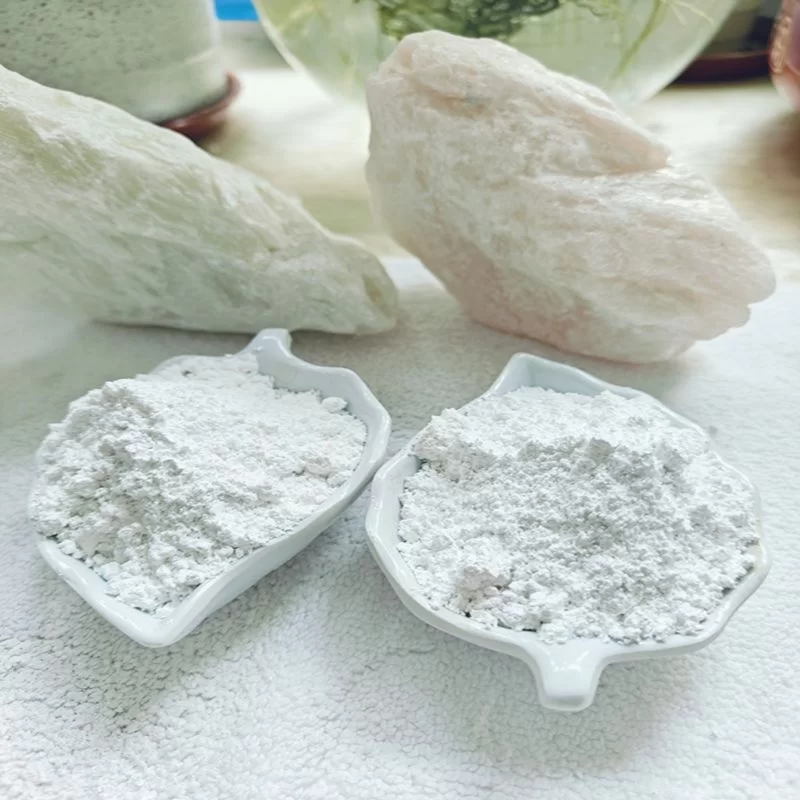
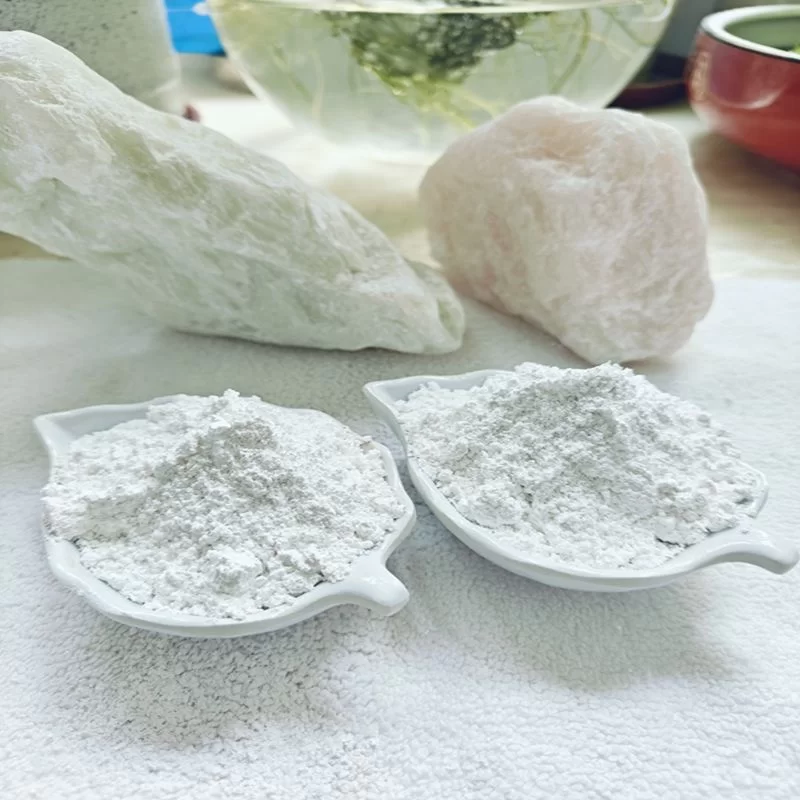
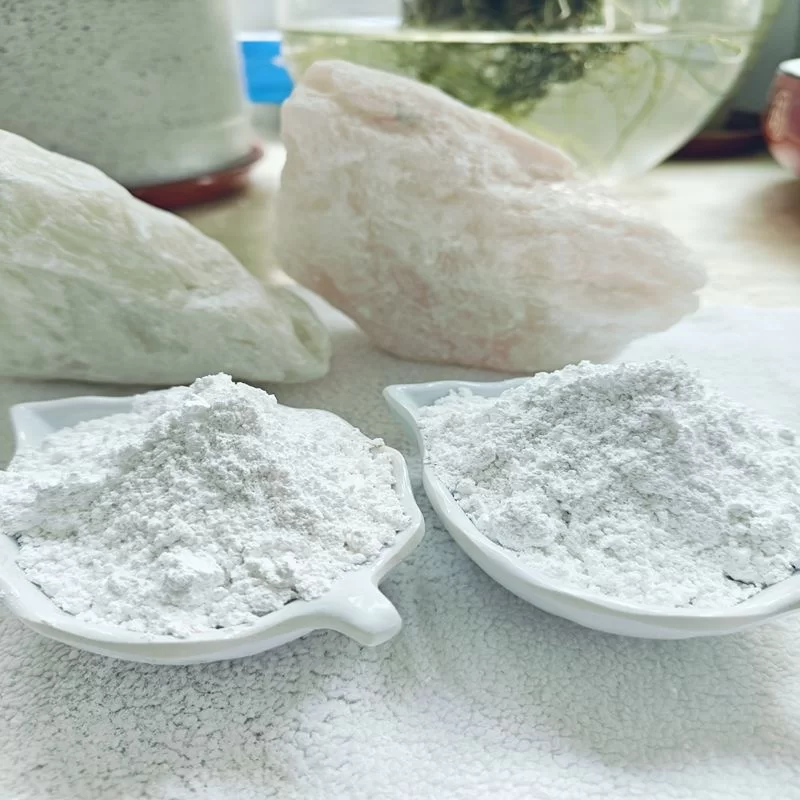
Industrial Light Calcium Carbonate, also known as Precipitated Calcium Carbonate (PCC), is a premium-grade functional filler characterized by high purity, typically exceeding 98% calcium carbonate content. Engineered for versatility, it serves as a critical additive in the production of plastics, rubber, papermaking, coatings, and inks, while also providing essential support for organic synthesis, metallurgy, and glass manufacturing.
With a meticulously controlled particle size ranging from 2 to 3 μm and a high degree of whiteness, our Light Calcium Carbonate enhances the structural integrity and aesthetic finish of end products. By optimizing the balance between mechanical reinforcement and cost-efficiency, it empowers manufacturers to achieve superior rigidity and processing stability in high-demand industrial applications.
Detailed Parameters
| Calcium Content | 97.2% | Sieve Residue (45μm) | 0.15% |
|---|---|---|---|
| pH Value | 9.1 | Whiteness | 32.5% |
| Oil Absorption | 77 | Particle Size | 2-3 μm (Average) |
| Sedimentation Vol. | 2.4 - 2.8 mL/g | Available Mesh | 100, 325, 600, 1250 |
| Particle Shape | Date Pit Shape | Customization | Accepted upon inquiry |
Key Advantages
Enhanced Rigidity
Reinforces internal polymer structures to increase stiffness and mechanical strength in pipes, sheets, and molded components.
Dimensional Stability
Significantly reduces shrinkage rates during cooling, ensuring precise and consistent final product dimensions.
Processing Efficiency
Optimizes melt flow behavior in extrusion and injection molding, reducing energy consumption and production defects.
Superior Aesthetics
High whiteness and fine particle structure improve surface smoothness and pigment dispersion for uniform coloration.
Cost Optimization
Acts as an efficient extender to reduce reliance on expensive resins and TiO2 without compromising quality.
Chemical Stability
Highly compatible with PVC, PE, and PP systems, ensuring long-term durability and consistent performance.
Product Gallery
Management Platforms
Quality Control System
Strict adherence to purity standards ensuring calcium content consistently remains above 97%.
Custom Processing
Flexible mesh size adjustment and particle customization based on specific industrial requirements.
Supply Chain Stability
Abundant natural resource access ensuring consistent pricing and long-term raw material availability.
Dispersion Management
Advanced mixing compatibility to prevent agglomeration and ensure uniform distribution in polymers.
Waste Reduction
Consistent particle quality reduces production rejects and improves overall manufacturing yield.
Technical Support
Expert guidance on filler ratios for optimal rigidity and cost-saving balance.
Investment Return Comparison
| Performance Metric | Pure Polymer Resin | LCC Reinforced Compound |
|---|---|---|
| Material Cost | High Investment | Significantly Lowered |
| Structural Rigidity | Standard | Enhanced Stiffness |
| Production Speed | Standard | Faster Processing |
| Dimensional Shrinkage | Moderate to High | Minimal / Controlled |
| Overall ROI | Baseline | High (Cost-Performance) |
Frequently Asked Questions
Q: What is the difference between Light Calcium Carbonate and Heavy Calcium Carbonate?
Light Calcium Carbonate (precipitated) generally has smaller particle sizes and higher purity compared to Heavy Calcium Carbonate (ground), making it more suitable for applications requiring high whiteness and fine dispersion.
Q: How does LCC improve the rigidity of PVC and PP plastics?
LCC particles act as a mechanical reinforcement within the polymer matrix, increasing the stiffness and dimensional stability of the finished product, which is critical for industrial piping and profiles.
Q: Can Light Calcium Carbonate reduce the use of Titanium Dioxide in coatings?
Yes, due to its high whiteness and opacity, LCC can partially replace expensive TiO2 pigments in certain coating formulations while maintaining an acceptable surface appearance.
Q: Which mesh sizes are available for industrial applications?
We commonly supply 100, 325, 600, and 1250 mesh sizes. Customization is also available to meet specific particle size distributions required for specialized rubber or plastic compounds.
Q: How does LCC affect the processing energy of injection molding?
LCC improves the melt flow behavior of the compounds, which can lead to lower extrusion pressures and reduced energy consumption during the molding process.
Q: Is Light Calcium Carbonate chemically stable for long-term use?
Yes, it is chemically inert and highly stable, ensuring that the mechanical properties and durability of the final product are not compromised over time.
Ready to Optimize Your Production Costs with Premium LCC?
Contact UsMore from this supplier
Shijiazhuang Fengersheng Mining Co., Ltd.


