
Image not available

Non-metallic minerals
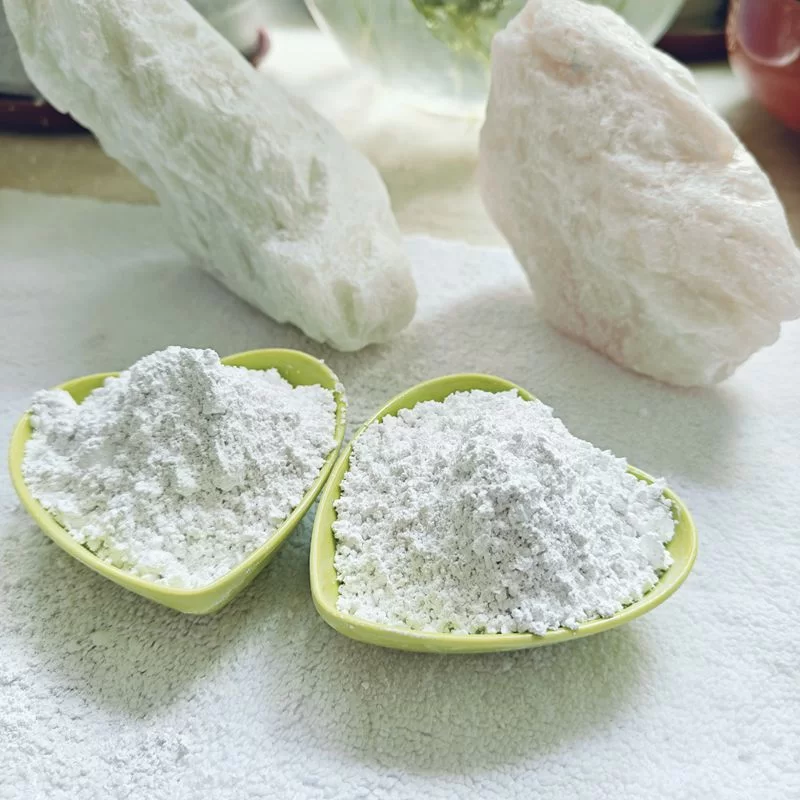
Industrial Grade Ground Calcium Carbonate GCC China Suppliers and Factory
Looking for reliable China suppliers? Our factory provides premium Ground Calcium Carbonate GCC. With lower costs and oil absorption than light calcium carbonate, it enhances surface gloss and is the preferred filler for rubber, plastics, papermaking, coatings, and food industries.
SupplierShijiazhuang Fengersheng Mining Co., Ltd.www.fesmining.com
Source categories
About this product
Product information from the supplier.
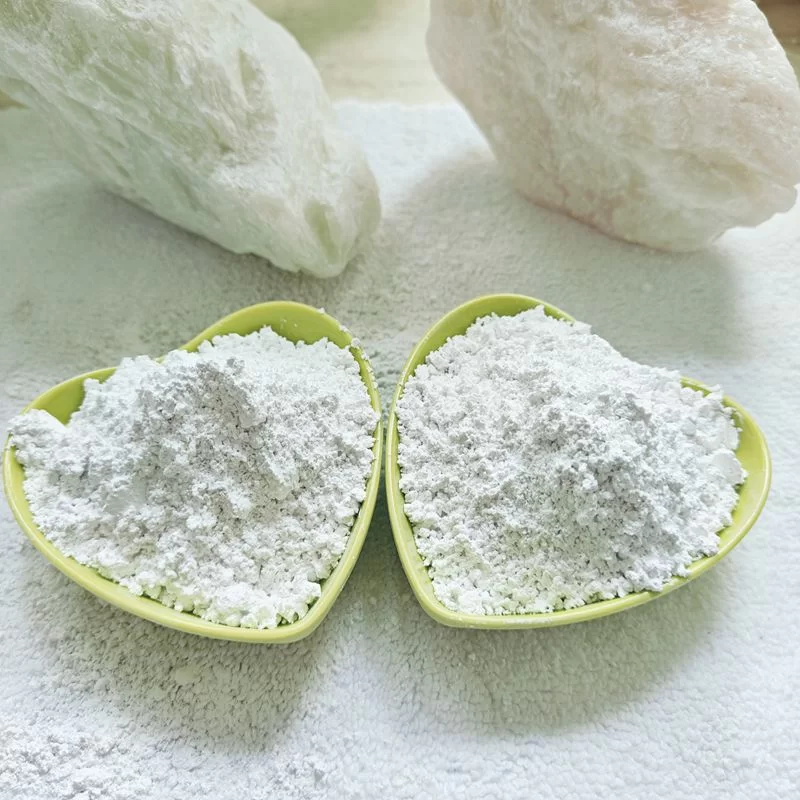
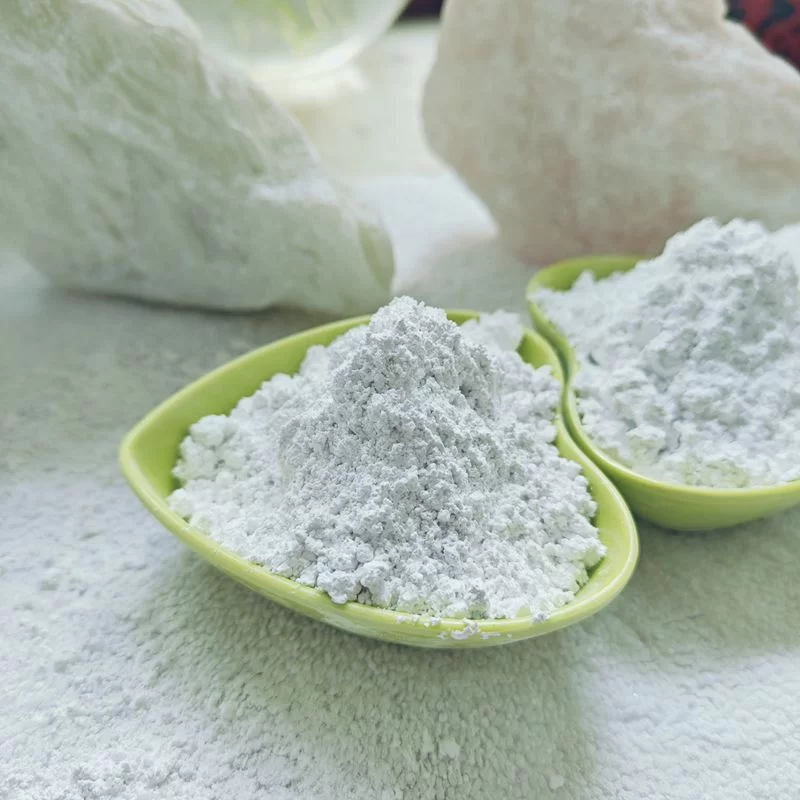
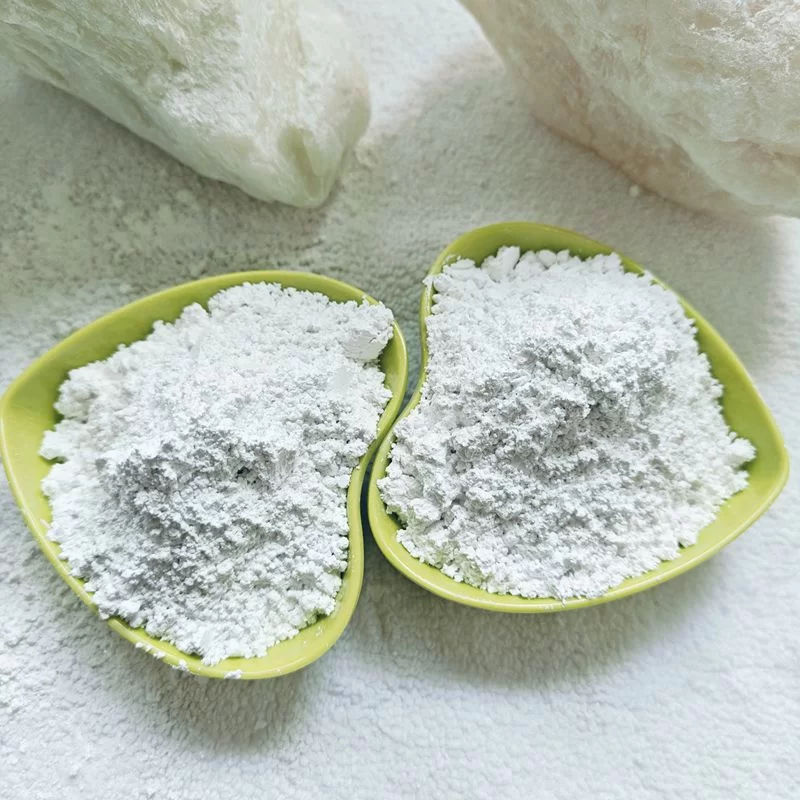
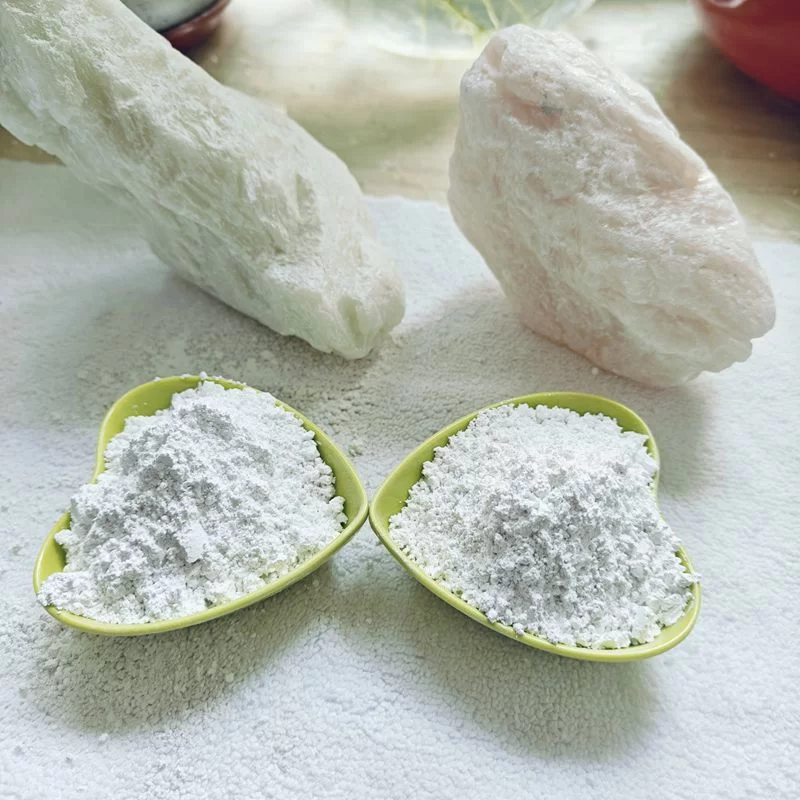
Industrial Grade Ground Calcium Carbonate (GCC) is a premium functional inorganic filler engineered from high-purity natural carbonate minerals, including calcite, marble, and limestone. Renowned for its exceptional chemical purity, thermal stability, and high whiteness, GCC serves as a critical raw material for enhancing the physical and chemical properties of industrial compounds while ensuring structural integrity.
Designed for versatility, our GCC is optimized for seamless integration into rubber, plastics, paints, and construction materials. By providing superior dispersibility and low oil absorption, it allows manufacturers to achieve precise control over material viscosity and texture, making it an indispensable solution for high-performance industrial manufacturing and sustainable cost optimization.
Detailed Parameters
| Calcium Content | 98.6% | Sieve Residue | 0.005% |
|---|---|---|---|
| pH Value | 9.4 | Whiteness | 94.2% |
| Moisture Content | 0.18% | Clinching Point (d100) | 11.11 |
| Available Mesh Sizes | 100 to 5000 mesh | Thermal Stability | Stable below 400℃ |
| Chemical Property | Strong Inertness | Toxicity | Non-toxic & Odorless |
Key Advantages
Production Stability
Ensures consistent raw material behavior, reducing fluctuations in viscosity and preventing agglomeration during processing.
Cost Efficiency
Effectively replaces expensive resins and pigments, significantly lowering production costs without compromising quality.
High Dispersibility
Optimized for uniform mixing within polymer and rubber systems, ensuring batch-to-batch consistency.
Thermal Stability
Maintains chemical integrity and resists decomposition at temperatures up to 400℃ for high-heat processing.
Optical Whiteness
Provides a high-brightness base for paints and plastics, improving the final visual finish and opacity.
Eco-Friendly
Non-toxic, odorless, and mineral-based, supporting sustainable manufacturing and green building standards.
Product Gallery
Management Platforms
Quality Control
Strict adherence to chemical purity and particle size distribution standards for every batch.
Custom Processing
Ability to customize mesh sizes from 100 to 5000 based on specific industrial requirements.
Logistics Tracking
Efficient supply chain management ensuring timely delivery for large-scale manufacturing.
Technical Support
Expert guidance on filler ratios to optimize production stability and cost control.
Inventory Systems
Large-scale warehousing to ensure a stable supply of GCC for long-term contracts.
Sustainable Sourcing
Environmentally responsible extraction of calcite and limestone minerals.
Investment Return Comparison
| Performance Metric | Standard Fillers | Industrial Grade GCC |
|---|---|---|
| Raw Material Cost | High (Polymer based) | Significant Reduction |
| Process Stability | Variable | Highly Stable |
| Production Yield | Standard | Increased Volume |
| Energy Consumption | Higher Resistance | Lower Operational Cost |
| Product Quality | Basic | Enhanced Mechanicals |
Frequently Asked Questions
Q: What are the primary applications of Ground Calcium Carbonate (GCC)?
GCC is widely used as a functional filler in the production of rubber, plastics, paints, water-based coatings, papermaking, concrete, and fireproof ceiling materials.
Q: How does GCC help in reducing manufacturing costs?
As a mineral-based filler, GCC can partially replace more expensive resins, polymers, and pigments, lowering the overall cost per unit while maintaining quality.
Q: Can the particle size (mesh) be customized for specific needs?
Yes, we offer a wide range of standard sizes from 100 mesh to 5000 mesh and accept full customization to meet your technical specifications.
Q: Does GCC affect the whiteness of the final plastic or paint product?
No, our GCC is characterized by high whiteness and low refractive index, which actually improves the brightness and opacity of the finished product.
Q: Is Ground Calcium Carbonate stable under high-temperature processing?
Yes, GCC exhibits excellent thermal stability and does not decompose at temperatures below 400℃, making it suitable for extrusion and injection molding.
Q: How does GCC improve the stability of the production line?
Its excellent dispersibility prevents agglomeration and stabilizes melt flow behavior, resulting in fewer defects and more consistent product dimensions.
Ready to Optimize Your Production with Premium GCC?
Contact UsMore from this supplier
Shijiazhuang Fengersheng Mining Co., Ltd.


