

Image not available
Chemicals
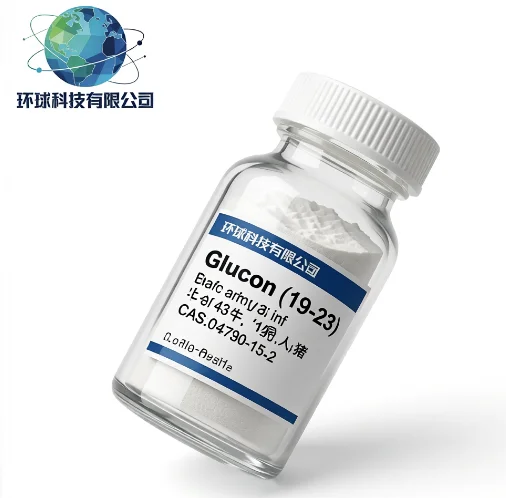
Glucagon (19 – 29), bovine, human, porcine CAS NO.64790-15-4
Glucagon (19-29) is a conserved 11-amino acid fragment (sequence: Tyr-Leu-Asp-Ser-Arg-Arg-Ala-Gln-Asp-Phe-Val) derived from the C-terminal region of the full-length glucagon hormone. This peptide represents residues 19-29 of the glucagon sequence, which is identical across bovine, human, and porcine species, highlighting its evolutionary importance. While it lacks the full hyperglycemic activity of intact glucagon, …
SupplierGlobal Technology Co., Ltd.www.hqtechtirz.com
Source categories
About this product
Product information from the supplier.
TECHNICAL SPECIFICATIONS
| Item | Specification |
|---|---|
| Product Name | Glucagon (19-29), bovine, human, porcine |
| CAS NO. | 64790-15-4 |
| Appearance | White lyophilized powder |
| Molecular Formula | C61H89N15O18S |
| Molecular Weight | 1352.54g/mol |
| Purity (RP-HPLC) | ≥98% |
| Solubility | Soluble in water and aqueous buffers; partial solubility in polar organic solvents. |
| Endotoxin | ≤50 EU/mg |
| Biological Activity | Active fragment of glucagon with receptor-binding activity. |
| Storage Conditions | Store desiccated at ≤-20°C in dark condition, sealed to avoid moisture. |
| Stock Location | Stock in USA |
| MOQ | 1g |
1.MECHANISM OF ACTION
- Receptor Interaction Domain: This region is part of the glucagon molecule's receptor binding domain. The fragment itself may act as a partial agonist or weak antagonist, potentially competing with full-length glucagon for receptor binding without eliciting full Gs-protein mediated cAMP signaling.
- Modulation of Signaling: It may bind to the GCGR and induce biased signaling, activating pathways different from those triggered by the full hormone (e.g., β-arrestin recruitment instead of strong cAMP production).
- Novel Receptor Target: There is evidence suggesting it may interact with other, yet uncharacterized, receptors to mediate specific physiological effects separate from the classic glucagon action.
- Functional Role: Studies indicate it may influence cell proliferation, have neuroactive properties, or modulate the activity of other regulatory peptides.
- Structure-Activity Relationship (SAR) Studies: Mapping the critical regions of glucagon required for receptor binding and activation by comparing the properties of this fragment with the full-length hormone and other analogs.
- Glucagon Receptor (GCGR) Pharmacology: Serving as a tool peptide in competitive binding assays to study the receptor's interaction site and to probe for allosteric modulatory effects.
- Biased Agonism Research: Investigating whether this fragment can induce selective signaling pathways (e.g., β-arrestin) at the GCGR, a key concept in modern drug discovery for metabolic diseases.
- Antagonist/Inhibitor Development: Used as a starting point or reference for designing novel glucagon receptor antagonists or modulators for conditions like hyperglycemia.
- Neuroscience Research: Exploring potential neurotrophic or neuromodulatory effects of glucagon-derived peptides in the central nervous system.
- Comparative Biology Studies: Utilizing its conserved sequence to investigate fundamental peptide-receptor interactions across species.
- Research Significance: Its "efficacy" is defined in a research context by its ability to provide insights into glucagon biology. It has been instrumental in identifying the core receptor-binding region of glucagon and understanding how different parts of the hormone contribute to its overall function.
- Drug Discovery Tool: Research on this and similar fragments is critical for the rational design of novel glucagon receptor modulators. For example, understanding the receptor interaction site helps in developing antagonists for diabetes or biased agonists that may separate beneficial metabolic effects from hyperglycemia.
- Therapeutic Concepts: While the fragment itself is not a drug candidate, the knowledge gained from studying it contributes to the development of:
- Glucagon receptor antagonists for type 2 diabetes (to reduce hepatic glucose output).
- Dual or triple agonists (e.g., GLP-1/glucagon co-agonists) for obesity and NASH, where modulating glucagon signaling is a key component.
- Clinical Status: No clinical trials have been conducted with Glucagon (19-29). Its value is entirely preclinical, providing the foundational science for future drug development targeting the glucagon pathway.
2.PRODUCT INDICATIONS
3.CLINICAL EFFICACY OF PRODUCT
4.DELIVERY & SHIPPING
We specialize in global logistics for various cosmetic peptides. Your order will be handled with the utmost care, ensuring safe, reliable, and intact delivery.
Professional and Secure Packaging
Each bottle of peptide is protected with a special packaging solution to ensure stability and integrity during transportation.
We can also customize packaging according to customer needs.
Shipping Methods
Main Method: International Air Freight
We primarily use DHL, FedEx, UPS, and TNT because of their global reliability, speed, and advanced tracking systems. Air freight ensures the fastest transit time and minimizes the impact of environmental factors on the product.
More from this supplier
Global Technology Co., Ltd.


