
Image not available

Chemicals
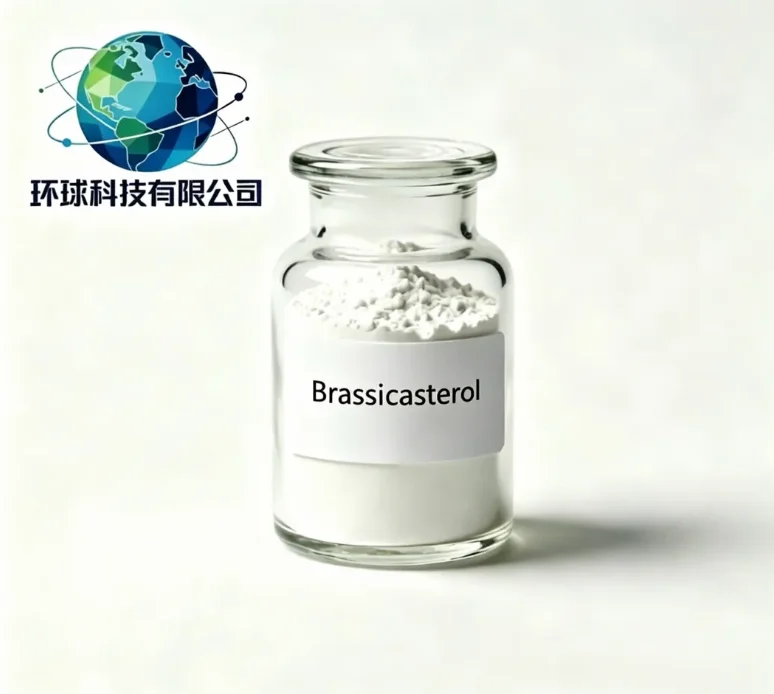
Brassicasterol CAS 474679 High Purity Factory Suppliers in China
Buy high-purity Brassicasterol CAS 474-67-9 from leading China factory suppliers. A premium phytosterol reference standard for lipid metabolism and biomedical research, supplied as a crystalline powder for non-clinical laboratory use.
SupplierGlobal Technology Co., Ltd.www.hqtechtirz.com
Source categories
About this product
Product information from the supplier.
Brassicasterol (CAS NO. 474-67-9) is a high-purity phytosterol essential for advanced biomedical research. As a critical structural mimic of cholesterol, it is widely utilized in studies focusing on lipid metabolism and cholesterol absorption inhibition. This research-grade compound serves as a vital tool for scientists investigating hypercholesterolemia and the complex mechanisms of sterol regulatory element-binding proteins (SREBPs).
Beyond lipidology, Brassicasterol exhibits significant bioactive potential in oncology and microbiology. It is extensively used in preclinical screenings to evaluate its antiproliferative efficacy against AR-dependent tumors and its capacity to inhibit HSV-1 viral replication and Mycobacterium tuberculosis biosynthesis. This versatile compound provides researchers with a reliable internal reference for quantifying sterol content in dietary and marine samples.
Detailed Parameters
| Product Name | Brassicasterol | CAS NO. | 474-67-9 |
|---|---|---|---|
| Molecular Formula | C28H46O | Molecular Weight | 398.675 g/mol |
| Appearance | White to off-white crystalline powder | Purity (RP-HPLC) | ≥98.0% |
| Solubility | Soluble in chloroform, methanol, ethanol, acetone | Endotoxin | ≤5 EU/mg |
| Storage Condition | Store at -20°C, protect from light/moisture | MOQ | 1g |
Key Advantages
Ultra-High Purity
Certified ≥98.0% purity via RP-HPLC ensures consistent and reproducible results in sensitive analytical assays.
Rapid Global Delivery
Strategic stock locations in the USA and air freight via DHL/FedEx ensure minimal transit time and product stability.
Multi-Target Bioactivity
Proven effectiveness in modulating AKT and AR signaling pathways for oncology and lipid research.
GMP Compliant
Produced using standardized quality control systems adhering to international GMP and FDA standards.
Full Traceability
Every batch is accompanied by a comprehensive COA, HPLC reports, and MS chromatograms for total transparency.
Research Grade
Optimized for preclinical and analytical applications in neurochemistry and microbiology laboratories.
Product Gallery
Management Platforms
Raw Material Sourcing
Strict procurement standards for plant extracts to ensure chemical consistency.
Purification Process
Advanced chromatography systems to achieve 98%+ purity for research applications.
Quality Validation
Rigorous HPLC and Mass Spectrometry testing for every production batch.
Storage Management
Strict -20°C temperature control to prevent degradation of bioactive sterols.
Logistics Security
Specialized vacuum packaging ensuring stability during international transit.
Compliance Audit
Adherence to international trade standards and pharmaceutical regulatory requirements.
Investment Return Comparison
| Evaluation Metric | Standard Grade | Our Research Grade |
|---|---|---|
| Chemical Purity | <95% | ≥98% (Certified) |
| Batch Consistency | Variable | High (HPLC Validated) |
| Delivery Speed | Standard Sea Freight | Express Air Freight |
| Documentation | Basic COA | COA + HPLC + MS Reports |
| Risk of Degradation | Moderate | Low (Optimized Storage) |
Frequently Asked Questions
Q: What is the primary application of Brassicasterol in research?
It is primarily used to study cholesterol absorption inhibition and as a biomarker for neurodegenerative diseases like Alzheimer's in cerebrospinal fluid.
Q: Can Brassicasterol be used for direct clinical treatment?
No, this product is a raw phytosterol reference standard intended for preclinical and analytical research only, not for human therapeutic administration.
Q: How does Brassicasterol lower LDL cholesterol?
It mimics cholesterol to competitively inhibit intestinal absorption by displacing it from mixed micelles, reducing the serum LDL pool.
Q: What are the required storage conditions for this chemical?
To maintain its purity and bioactivity, it must be stored at -20°C and protected from light and moisture.
Q: What certifications are provided with each shipment?
Each shipment includes a Certificate of Analysis (COA), HPLC purity report, and Mass Spectrometry (MS) chromatograms.
Q: Does Brassicasterol show activity against infectious diseases?
Yes, preclinical data indicates it inhibits HSV-1 viral replication and Mycobacterium tuberculosis cell wall biosynthesis.
Request a Quote for High-Purity Brassicasterol
Contact UsMore from this supplier
Global Technology Co., Ltd.


