
Image not available

Non-metallic minerals
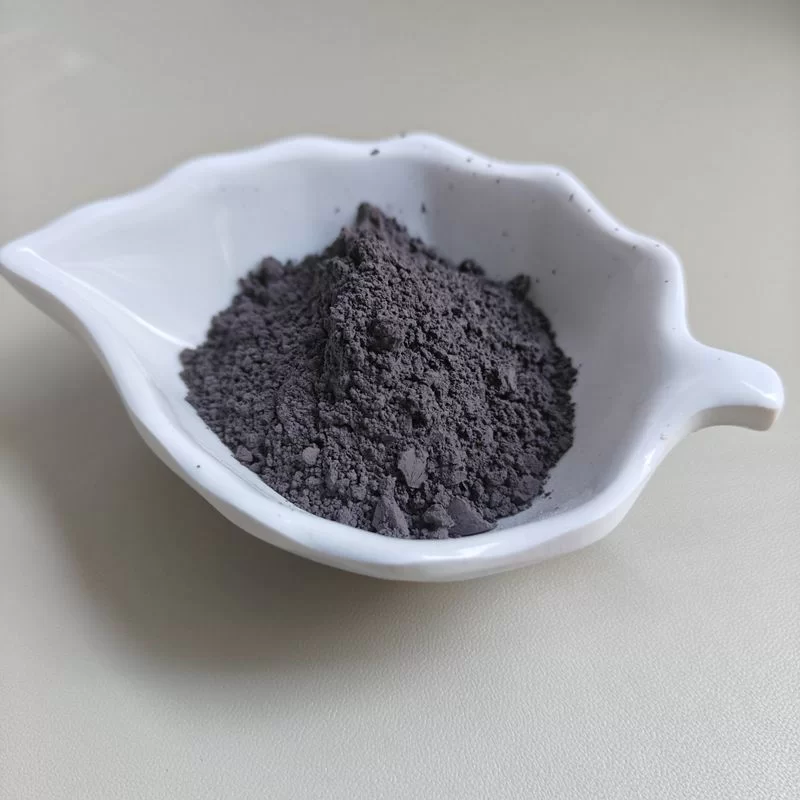
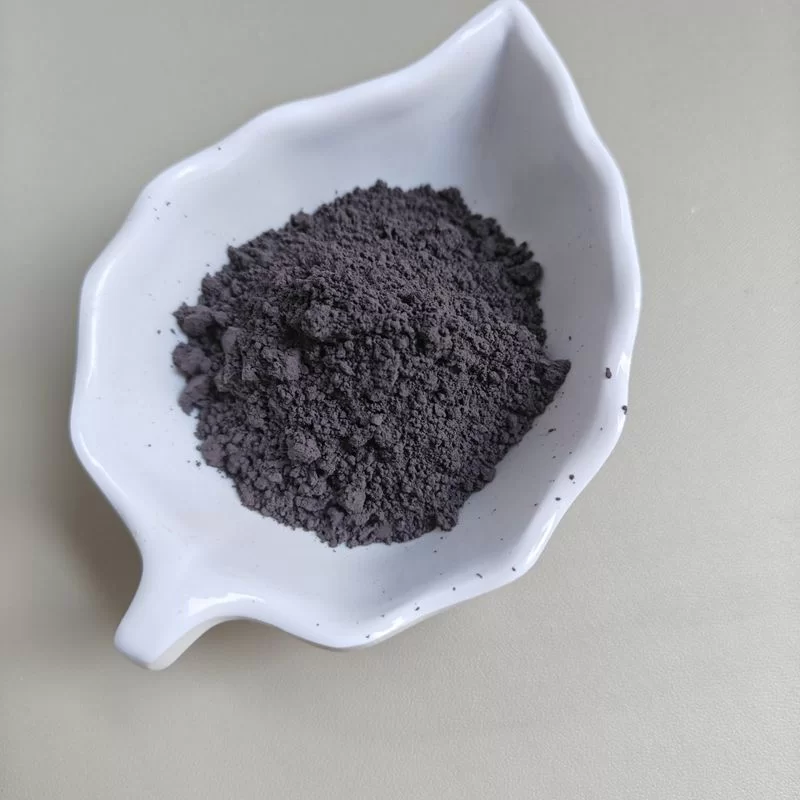
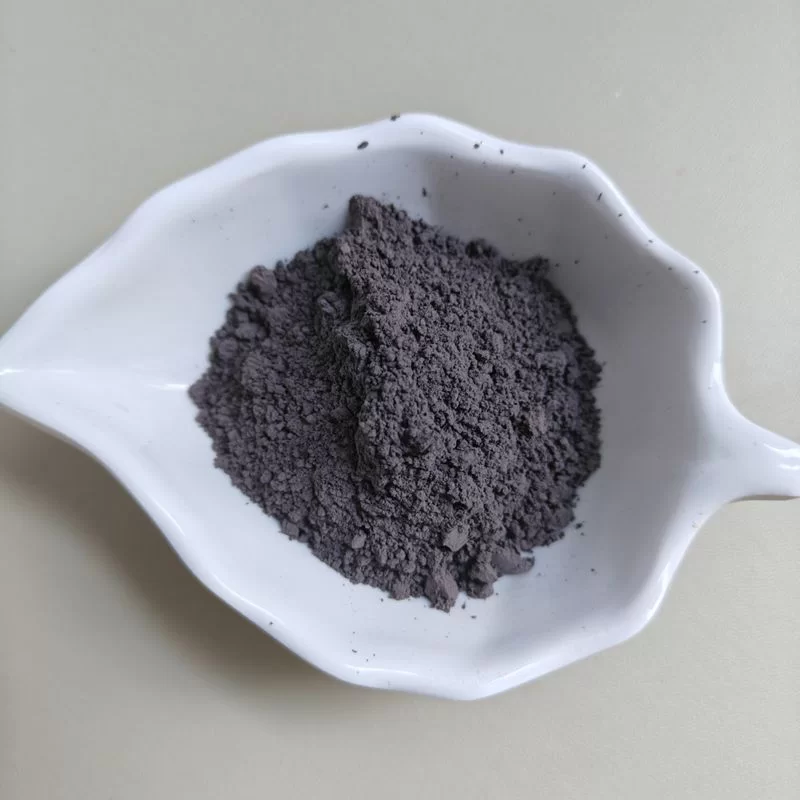
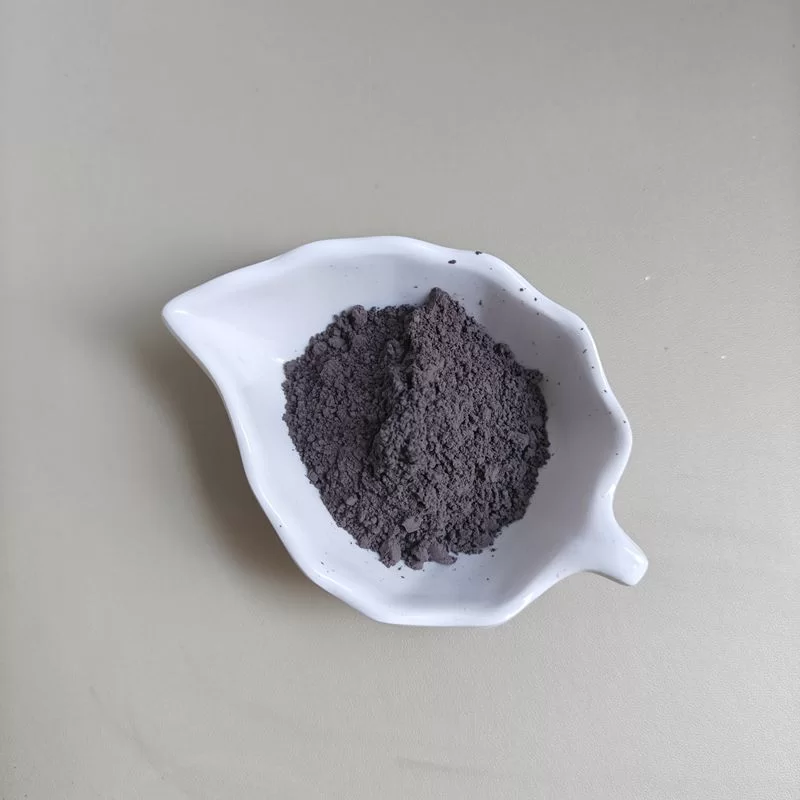
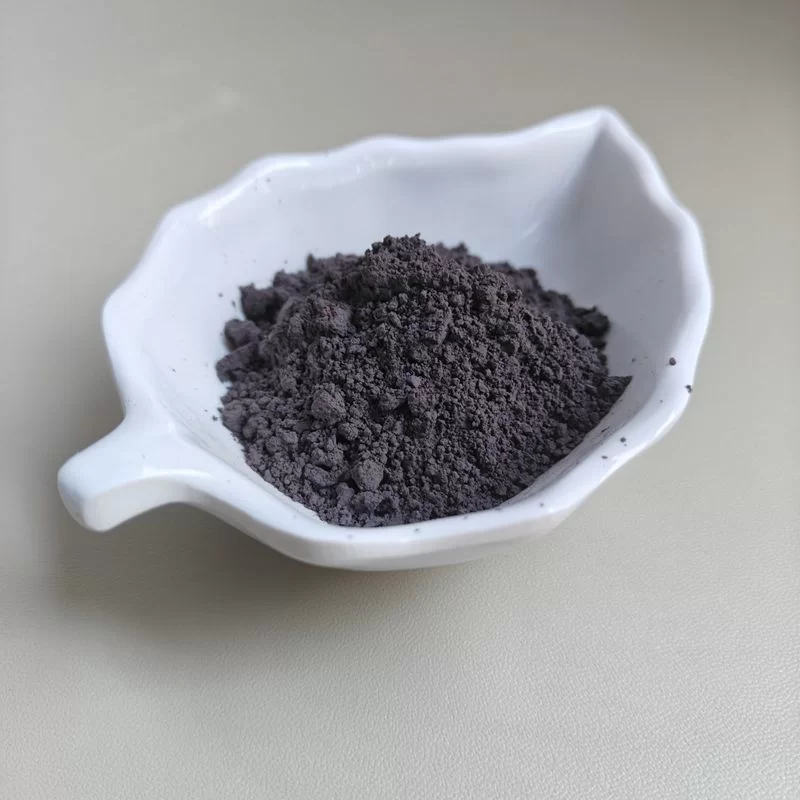
High Grade Biotite Mica Powder China Suppliers and Factory
Leading China factory and suppliers of Biotite Mica Powder. Particle size 3-400mesh. Ideal for architectural coatings, stone-like paint, and water-based decorative paint.
SupplierShijiazhuang Fengersheng Mining Co., Ltd.www.fesmining.com
Source categories
About this product
Product information from the supplier.
Biotite Mica Mineral is a premium, iron-rich phyllosilicate mineral prized for its distinctive layered structure and exceptional thermal stability. Naturally occurring in igneous and metamorphic environments, this dark-colored mineral is engineered into high-performance powders that serve as critical functional fillers across the architectural, electronic, and automotive sectors.
By leveraging its unique chemical composition of potassium, iron, magnesium, and aluminum, our Biotite Mica provides superior mechanical reinforcement and chemical resistance. Whether used as Black Mica Powder for decorative coatings or as a thermal insulator in heavy industry, it ensures enhanced product longevity, dimensional stability, and high-temperature resilience.
Detailed Parameters
| Particle Size | 3 - 400 mesh | Mineral Family | Phyllosilicate (Mica Group) |
|---|---|---|---|
| Typical Density | 2.7 - 3.4 g/cm³ | Color Profile | Dark Brown to Black |
| Chemical Formula | K(Mg,Fe)₃(AlSi₃O₁₀)(OH,F)₂ | Structure | Iron-Rich Layered Lattice |
| Thermal Stability | High Resistance | Electrical Property | Excellent Insulation |
| Main Components | Iron, Magnesium, Potassium | Processing Method | Crushing, Grinding, Classification |
Key Advantages
Thermal Resilience
Exceptional stability under high temperatures, making it ideal for fireproofing and refractory materials.
Extended Durability
Reduces shrinkage and cracking in cement and coatings, significantly extending the lifespan of infrastructure.
Mechanical Strength
Acts as a reinforcing filler in plastics and composites to improve dimensional stability and hardness.
Aesthetic Depth
Provides a sophisticated matte or metallic luster in decorative paints and automotive finishes.
Chemical Inertness
Resistant to various acids and alkalis, ensuring performance in harsh industrial environments.
Eco-Friendly Origin
A natural mineral alternative to synthetic additives, supporting green building standards.
Product Gallery
Management Platforms
Precision Grinding
Advanced mechanical processing to ensure strict adherence to customized mesh specifications.
Quality Classification
Rigorous screening and classification processes to maintain consistent mineral purity.
Thermal Testing
Standardized high-temperature testing to verify structural stability for refractory use.
Particle Analysis
Precise density and morphology analysis to optimize filling efficiency in composites.
Pure Sourcing
Strategically sourced from high-grade magmatic and metamorphic deposits for reliability.
Logistics Control
Secure, moisture-proof packaging ensuring the powder remains contaminant-free during transit.
Investment Return Comparison
| Performance Metric | Standard Fillers | Biotite Mica Powder |
|---|---|---|
| Thermal Stability | Moderate | Excellent (High Heat) |
| Dimensional Stability | Standard | Superior (Reduced Warp) |
| Surface Finish | Uniform | Sophisticated Luster |
| Chemical Resistance | Variable | High (Acid/Alkali) |
| Cost-Effectiveness | High | Optimal for Industrial Scale |
Frequently Asked Questions
Q: What makes Biotite different from Muscovite mica?
Biotite contains higher levels of iron and magnesium, resulting in a dark brown or black color and higher density, whereas Muscovite is lighter and more transparent. Biotite is generally preferred for high-thermal and mechanical reinforcement applications.
Q: How does Biotite Mica improve construction materials?
It improves the workability of cement and mortar, reduces shrinkage and cracking, and enhances the overall structural integrity and weather resistance of architectural finishes.
Q: Can Biotite be used in the oil and gas industry?
Yes, it is used as a mud additive in drilling fluids to seal porous formations, reduce fluid loss, and maintain wellbore stability under high pressure and temperature.
Q: What is the typical density of Biotite Mica Powder?
The density typically ranges between 2.7 and 3.4 g/cm³, depending on the specific iron and magnesium content of the source mineral.
Q: Is Biotite Mica suitable for electronic components?
Yes, due to its natural electrical insulating properties and stability at elevated temperatures, it is used in capacitors, transformers, and insulating sheets.
Q: How should Biotite Mica Powder be stored?
It should be stored in a cool, dry, and well-ventilated environment using sealed packaging to prevent moisture absorption and contamination.
Ready to enhance your industrial materials with high-grade Biotite Mica?
Contact UsMore from this supplier
Shijiazhuang Fengersheng Mining Co., Ltd.


